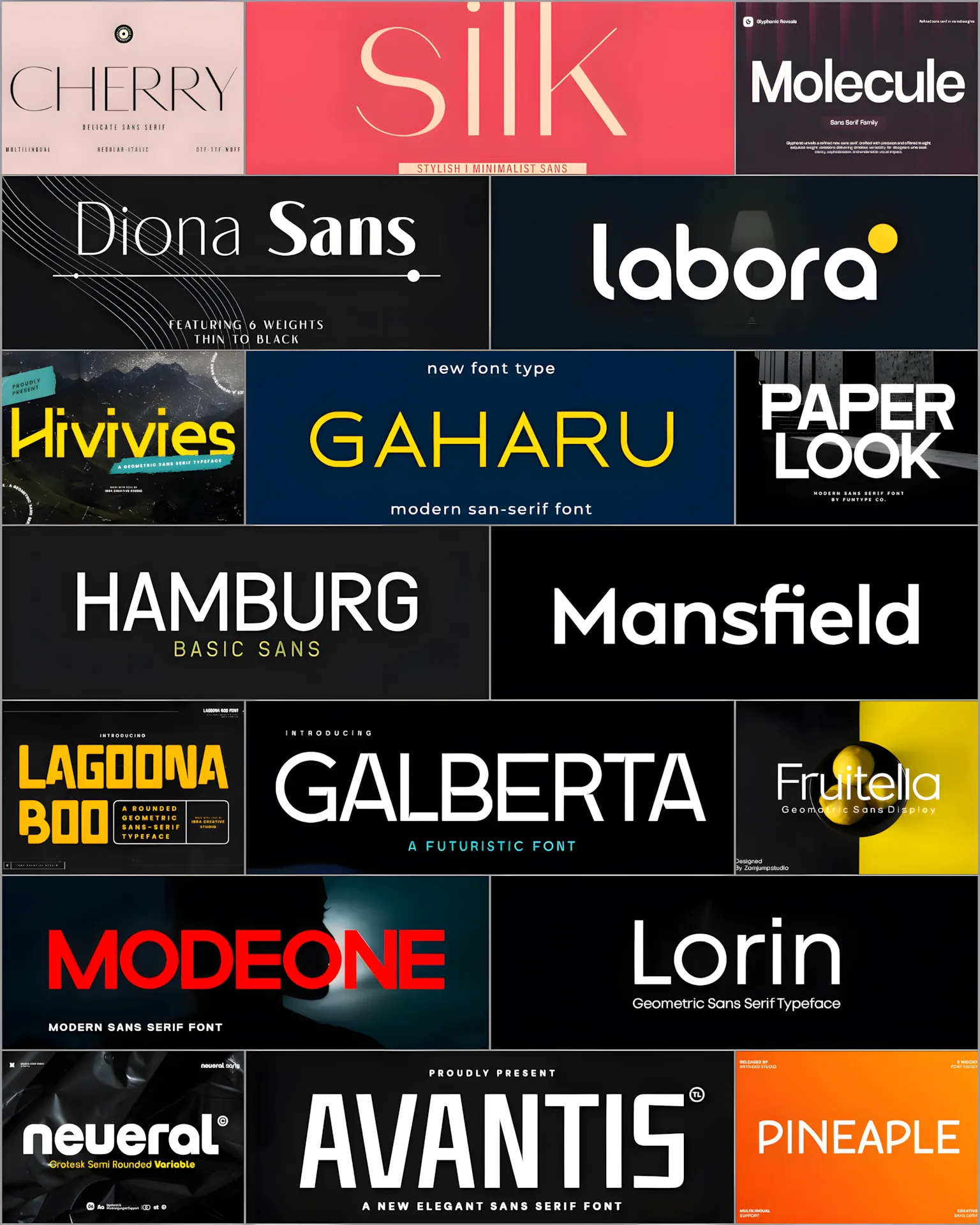
Introduction
Fonts are more than just pretty decorations. They’re like a brand’s voice—the quiet strength behind a logo, the clear tone on a product, and the calm confidence in a presentation. Mess up the font choice, and even a great design can feel wrong. Get it right, and everything just clicks.
If you want to get good at design, you’ll see that a good set of fonts isn’t just nice to have – it’s a must. But there are so many fonts out there, it can be tough to pick the ones you really need.
Affiliate Disclosure: Just a heads-up: some links here are affiliate links. It doesn’t cost you anything extra, but it helps support my work 💛
This article explains what makes a font look professional, how to choose the right typeface for branding and business projects, and provides a curated list of 23+ designer-approved professional fonts—plus five free options and practical FAQ guidance on font pairing, readability, and best-use scenarios.
So, let’s make it easier. Here’s how to spot a truly good font and which ones you should keep around.
Table of contents
How to Pick the Right Font
What’s a Pro Font, Anyway?
A pro font is what you grab when things matter: a brand’s look, logos, packaging, company papers, product design, or anything that needs to look sharp, thoughtful, and solid.
It doesn’t shout. It talks.
It isn’t distracting. It helps.
A pro font usually feels stable, easy to read, and well-thought-out – without feeling cold or boring.
1) Think About the Feel of Your Project
Before picking anything, think hard about what you’re working on.
What’s the vibe? Is it serious, simple, fancy, or fun but still high-quality? Are you building up a brand or just making a normal report?
Every font has a feeling. Some feel like a company, others feel handmade, like a magazine, or like fashion. The right font isn’t just about looks – it’s about getting the feel right.
2) Make Sure It’s Easy to Read (Because People Are Busy)
People don’t read carefully these days. They skim. They hunt. They filter. If your font is hard to read, they’ll just leave.
Easy reading depends on a few things:
- Size: Don’t make it tiny. Being able to read it is key.
- Simple: Too much decoration just makes a mess.
- Space: Letters that are too close just become a blur.
If people have to struggle, you’ve lost them.
3) Match the Font to What You’re Doing
Fonts have feelings. Some are calm, others are romantic, fun, sharp, smooth, or remind you of the past. Your font should fit the design you’re making.
Also, think about who you’re talking to.
A kids’ product needs a different font than a fancy perfume or a business company.
Fonts are about the situation. Without that, it’s just a mess.
4) Try Things Out
Trying fonts isn’t being unsure – it’s smart. Try different sizes, change the spacing, and see how it looks big or small.
Put two fonts next to each other. Do they look good together? Do they fight? Do they try to grab all the attention?
Some fonts take up a lot of space. Others are light. How heavy they feel isn’t just a setting – it’s part of the design.
The 25 Best Pro Fonts Used by Designers
The fonts here are good because they’re formal enough for business branding but still have personality and style. Many can be used for a whole brand. Others are good for smaller things – titles, packaging, or magazine layouts.
Let’s get started.
1. Zurich
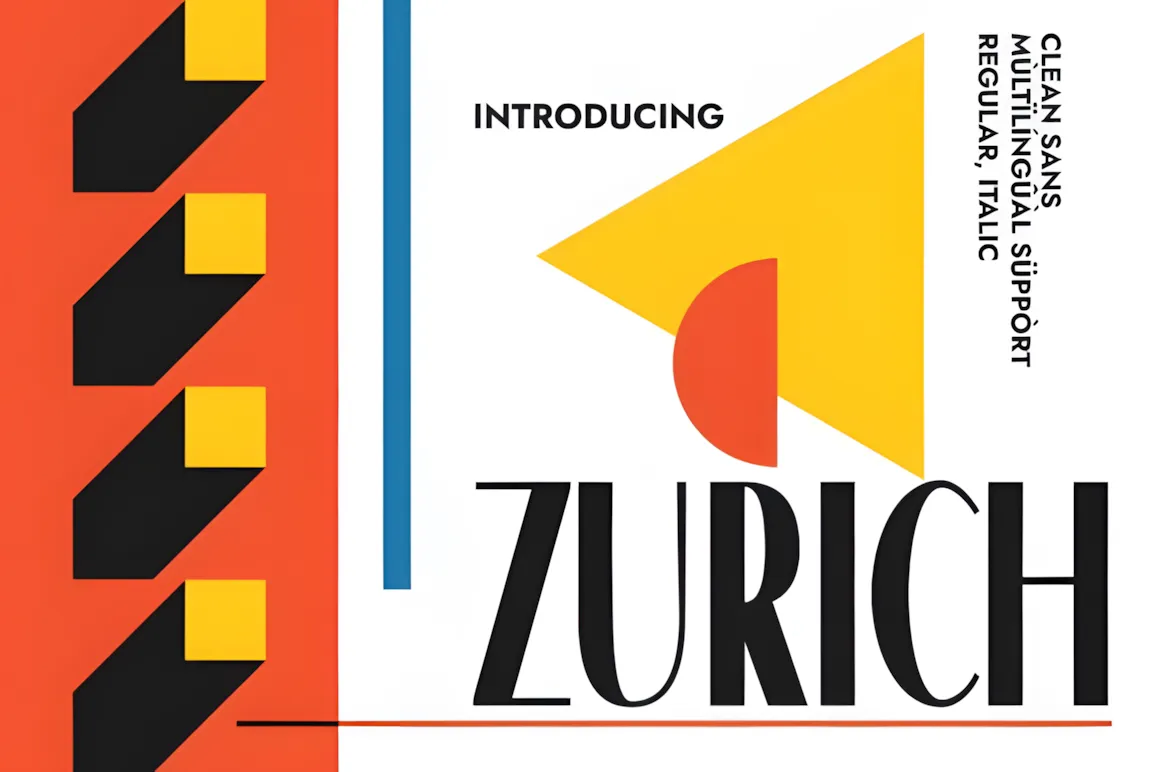
Zurich is a clear, simple font with a modern feel. It’s good for brands or packaging that need to come across as confident.
2. Magenta Font
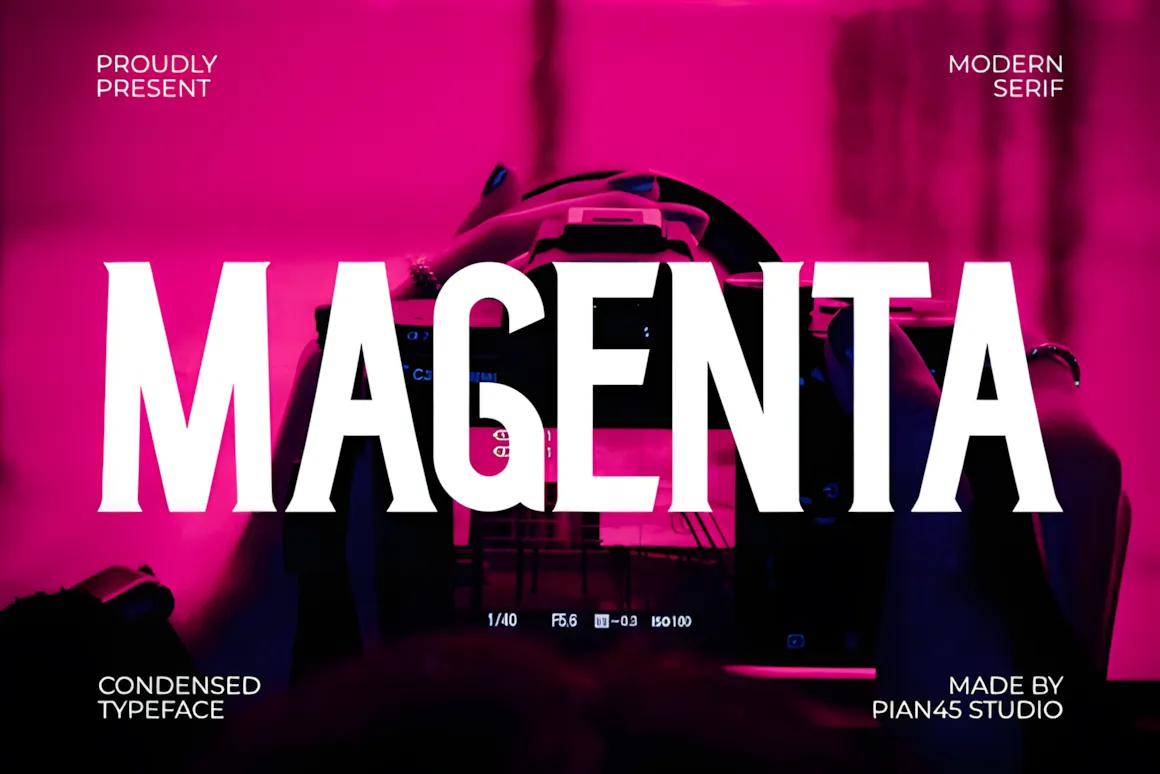
Magenta is a cool, modern serif font that’s great for making a big splash in magazines and fancy brands. It’s super bold and a bit narrow, with those sharp serif details that give it a classic touch. It’s awesome for eye-catching headlines, magazine covers, and logos that need to look really classy. If you want your project to feel glamorous, strong, and high-end, this all-caps font will get the job done and make your brand stand out right away.
3. Caliten Font
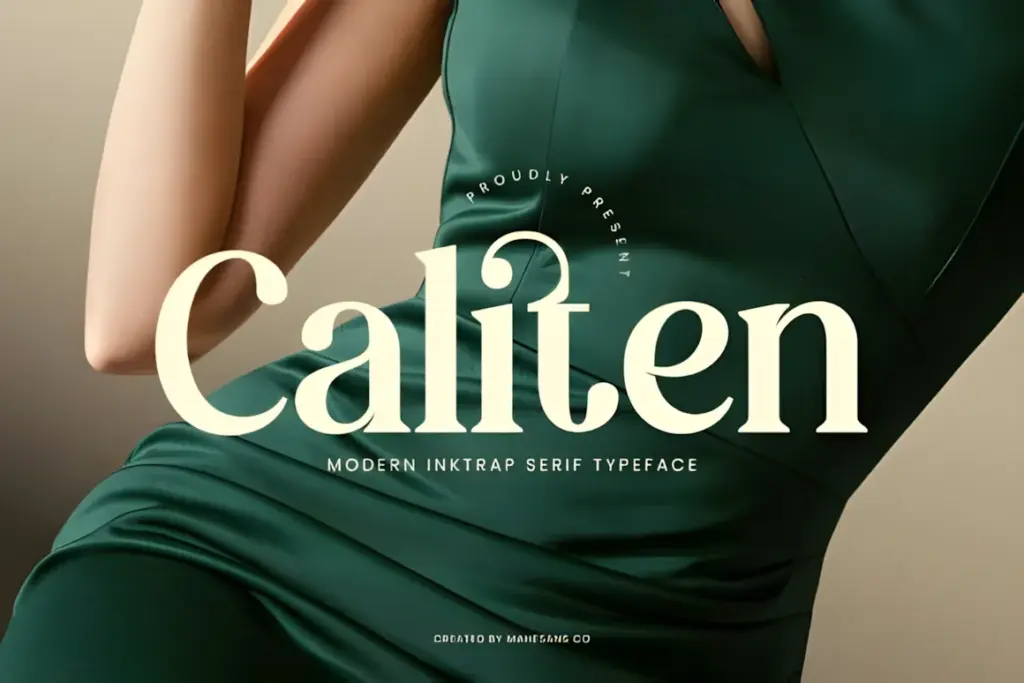
Caliten is a cool serif font with sharp and smooth curves. It feels fancy but not over the top.
It’s got style and is just right for brands wanting a premium look that’s not too showy.
Great for fancy brands, fashion stuff, magazines, or beauty product designs. Caliten has options for expressive headlines and clean layouts. It comes with letters, numbers, and all the extras you need!
4. Minimalist
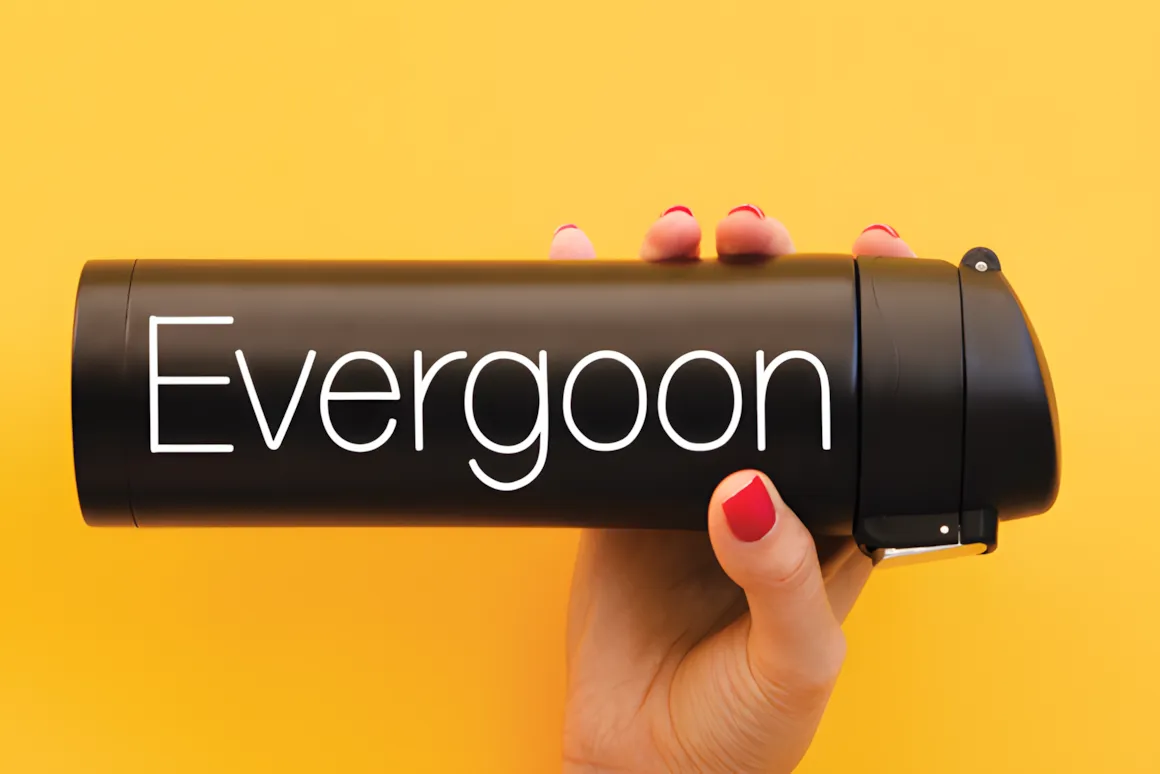
Minimalist does what it says: simple, smooth, modern. It’s easy to use and fits in almost anywhere without stealing the show.
5. Established
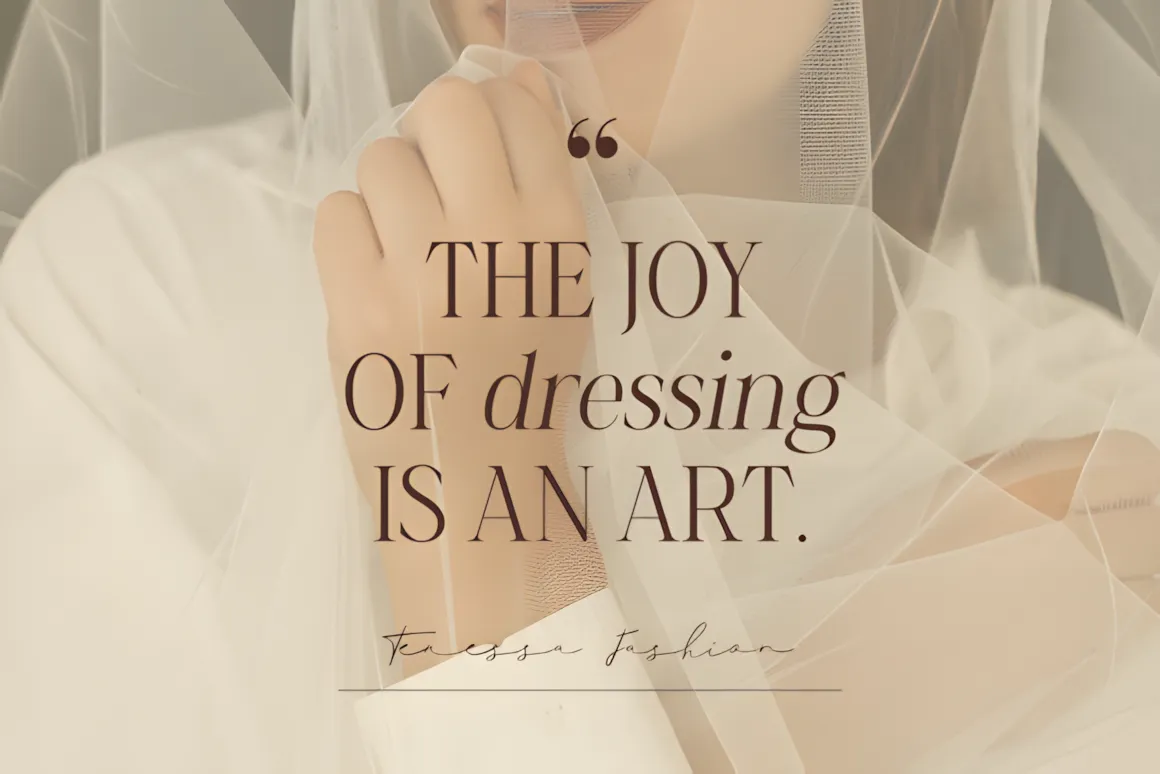
Established feels special. It has a fancy feel – great for small brands, magazine pictures, product labels, or anything that wants to feel high-end.
6. Montage
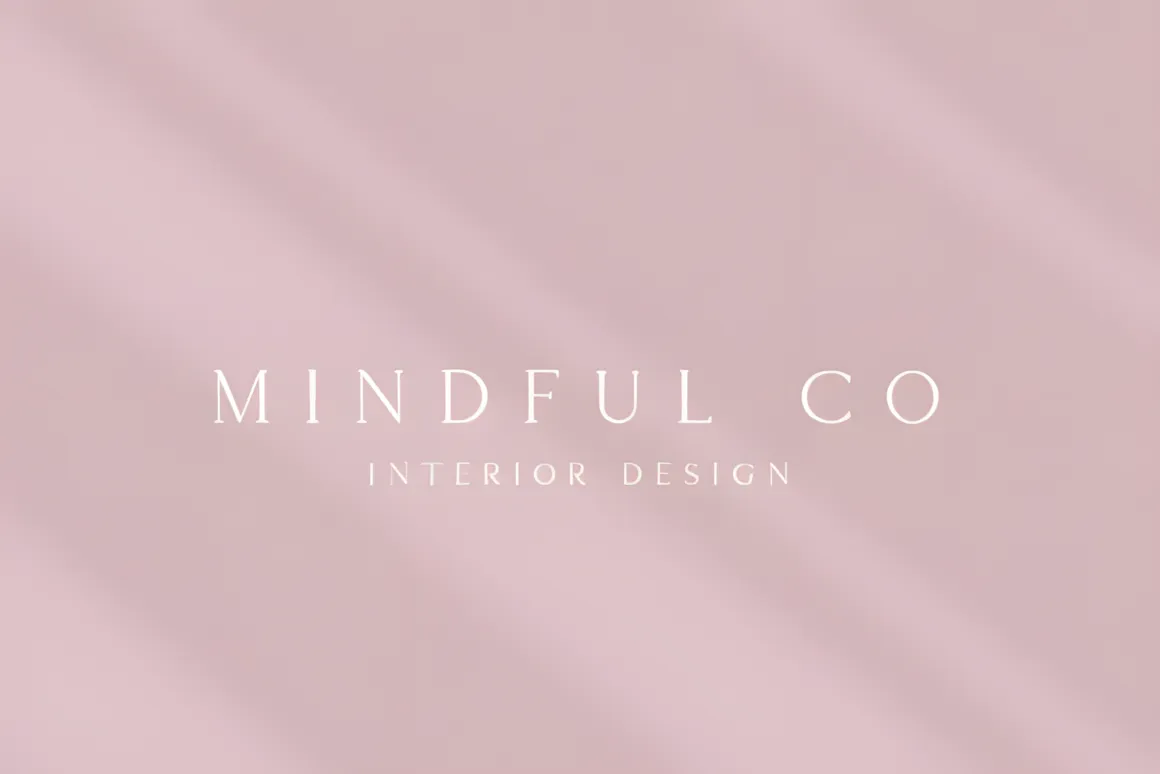
Montage is thin and stylish. It’s nice, smooth, and feels effortlessly fancy – good for fashion packaging or brands that want a touch of luxury.
7. Wensley
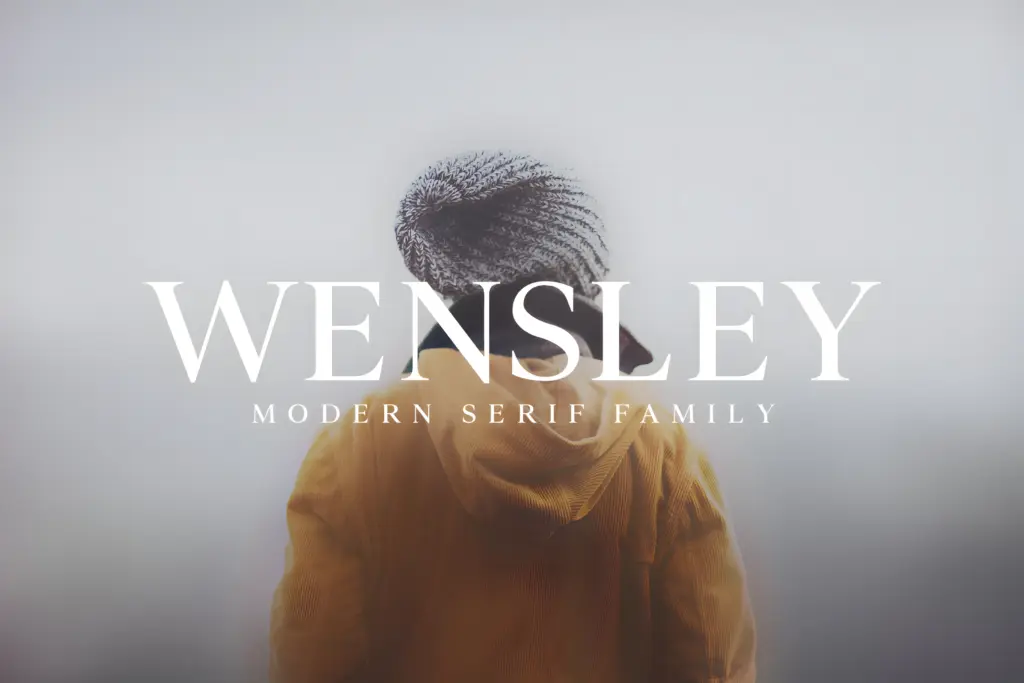
Wensley is a modern font with a stylish charm. It looks great with script fonts, making a fancy, magazine-like look that feels high-quality and tasteful.
8. Selino
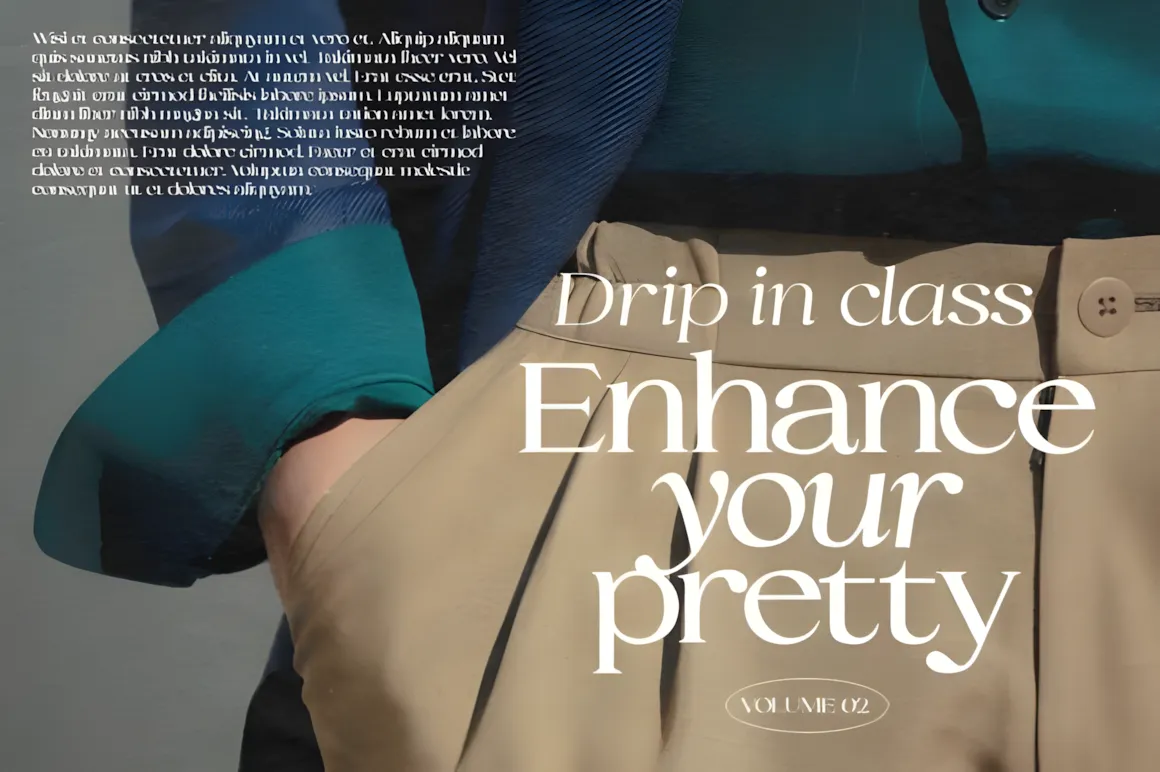
Selino mixes modern with classic. It’s a stylish font that softens a design and adds a bit of a feminine touch without being too much.
9. Story

Story is a font you can always count on – good for logos, great in titles, and even works well in longer pieces of text. A solid choice to have.
10. Aloha Font
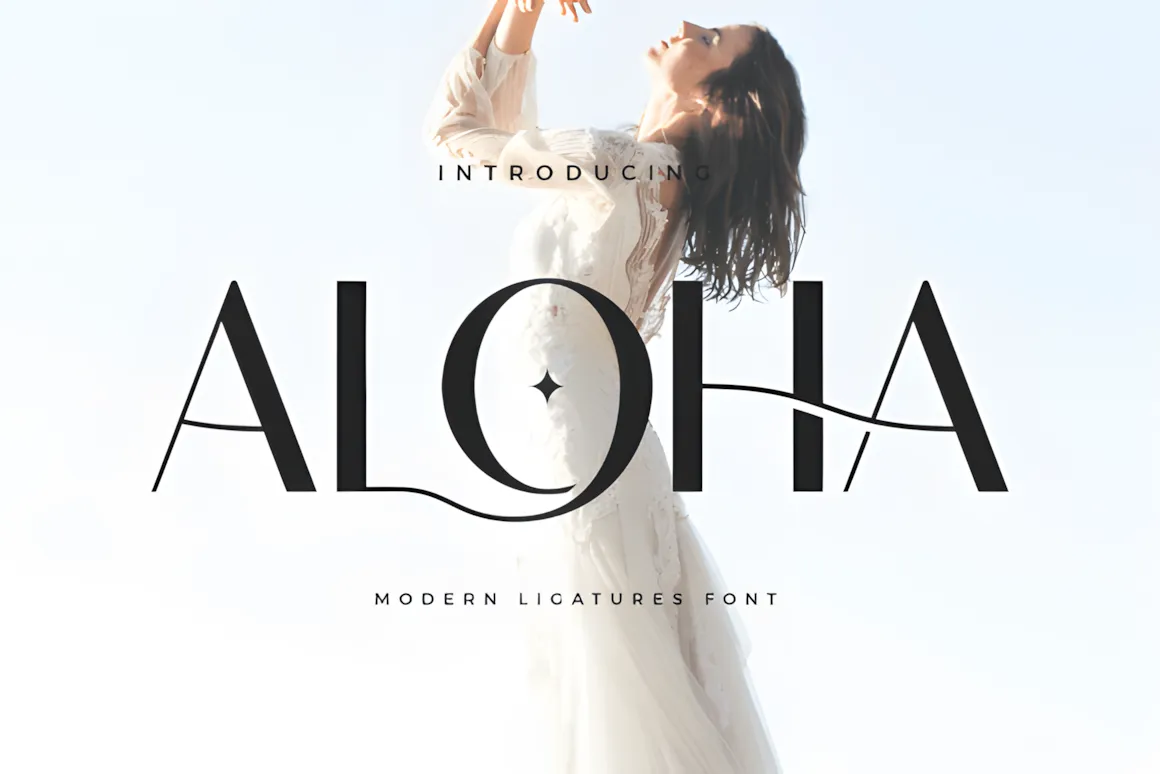
Aloha is a cool, sans-serif font with a modern feel. It mixes clean lines and slight curves to give it a fresh look. It’s great for things like magazines, fancy brands, and websites. It adds a stylish touch to anything you’re working on. If you want to give your designs a modern, classy feel, Aloha is a great pick.
11. Sunday Romantic
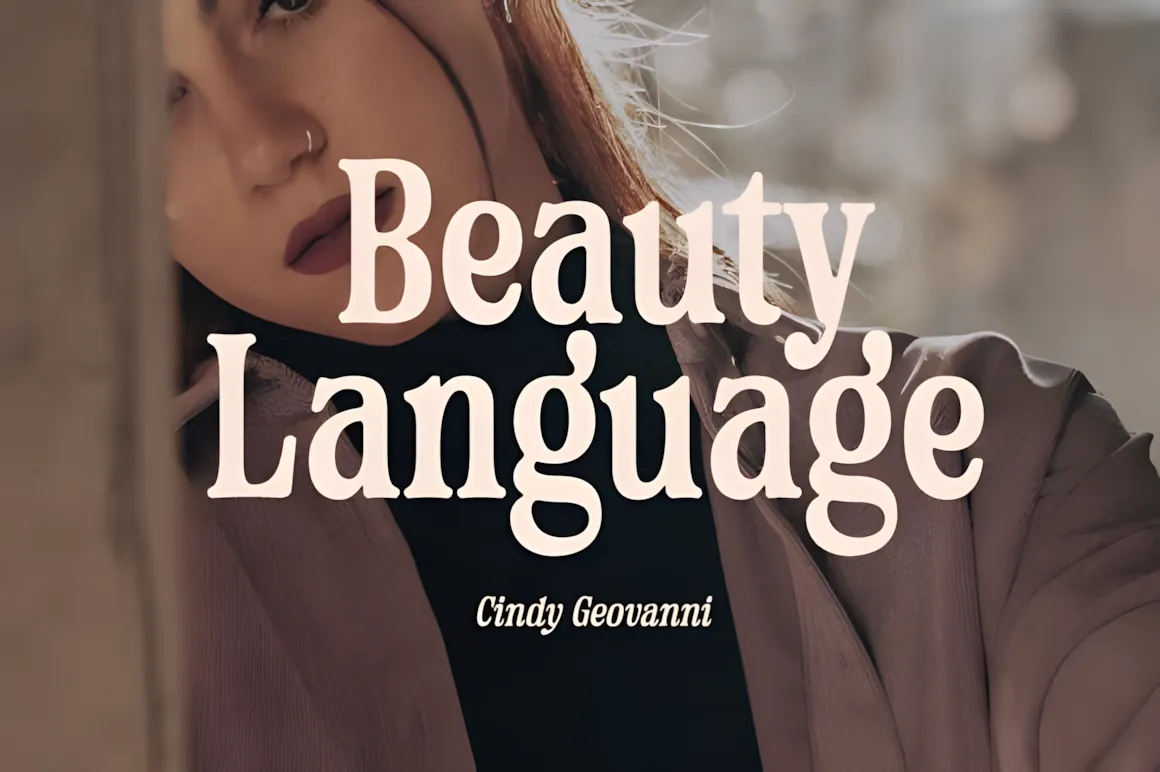
A modern font with a strong presence. Sunday Romantic is easy to remember and can be used in lots of different design projects.
12. Cloera Font
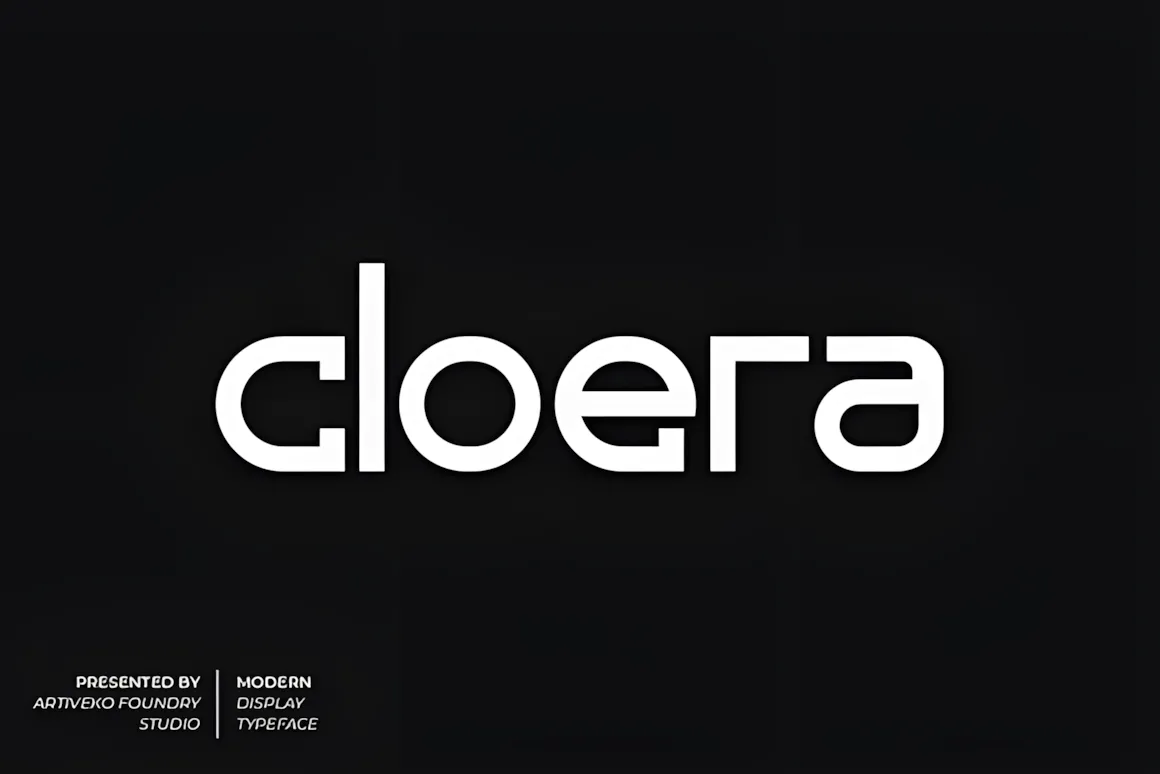
Cloera is a cool, modern font that mixes smooth curves with clean lines.
Its wide design and special cutouts give it a futuristic vibe, awesome for fancy brands, design studios, and stylish layouts.
Cloera looks best in simple color schemes and shines as a header or logo. Try it with a thin sans-serif font for a fresh, balanced style that feels both high-end and approachable.
If you’re designing for a skincare brand or an art gallery, Cloera adds a touch of elegance and structure to your work.
13. Brandcake
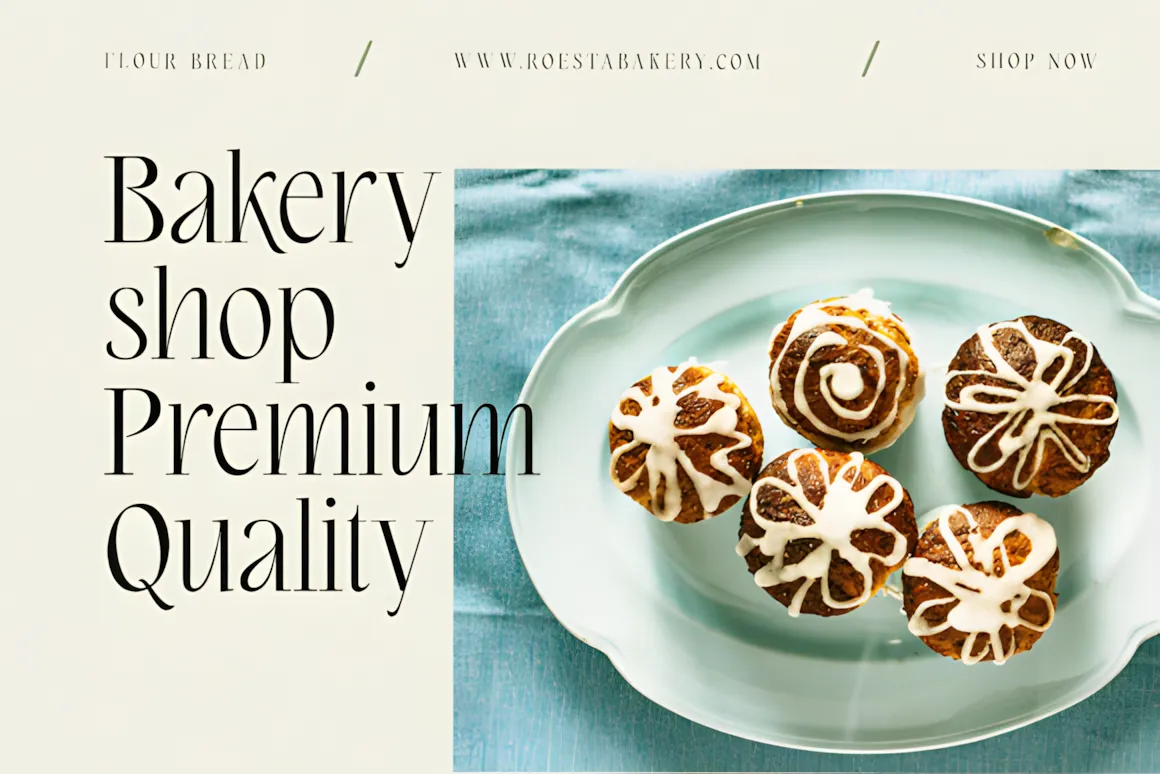
Brandcake can do it all. Logos, home decorations, book covers, branding, ads – it fits right in. It’s stylish without being stiff.
14. Pirate’s Blue
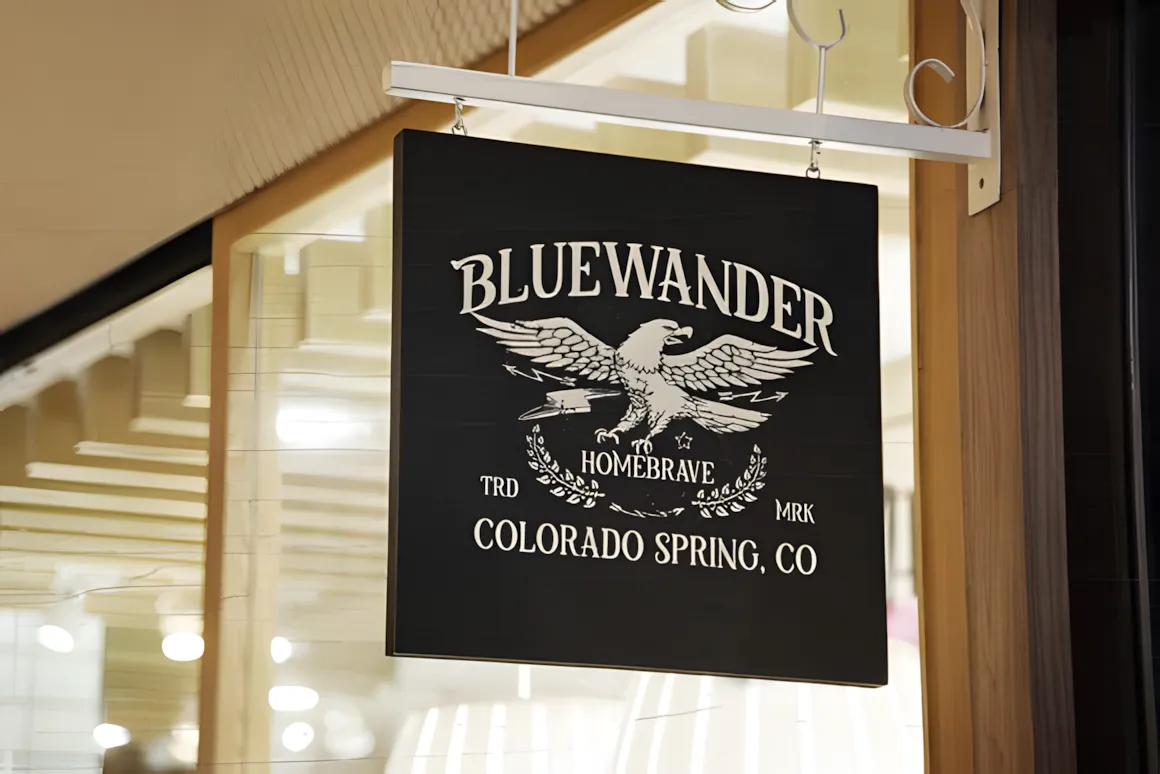
A unique font with personality. Pirate’s Blue is great for fun projects like movie posters, video game titles, or anything adventurous.
15. Krista’s
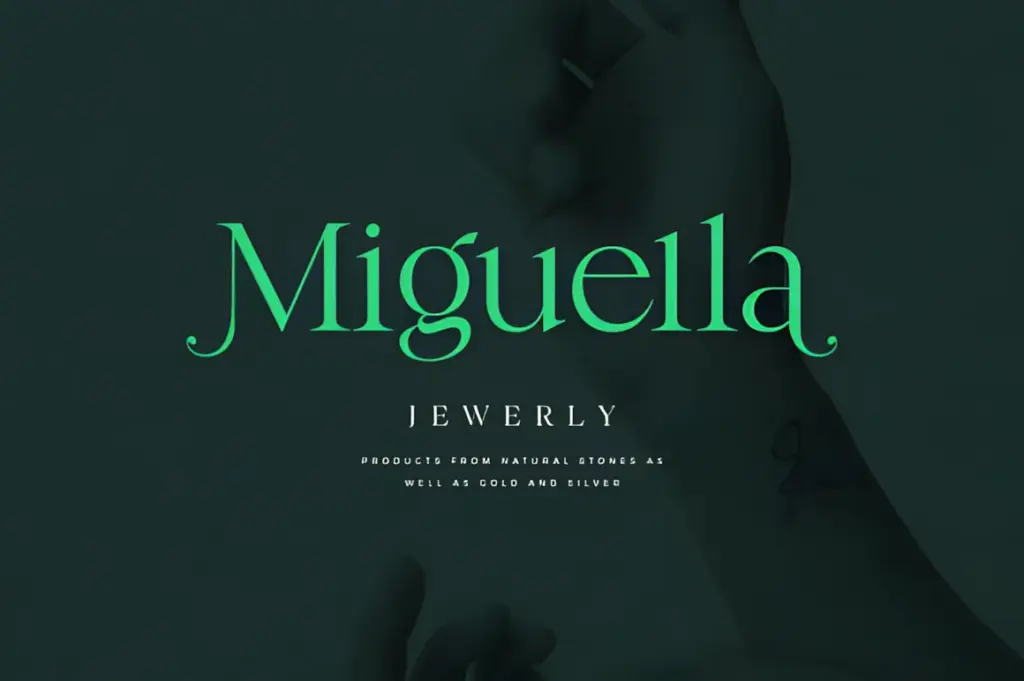
Krista’s is modern, fashionable, and smooth. It fits right into fancy brands – high-end labels, boutique packaging, and lifestyle images.
16. Keiser
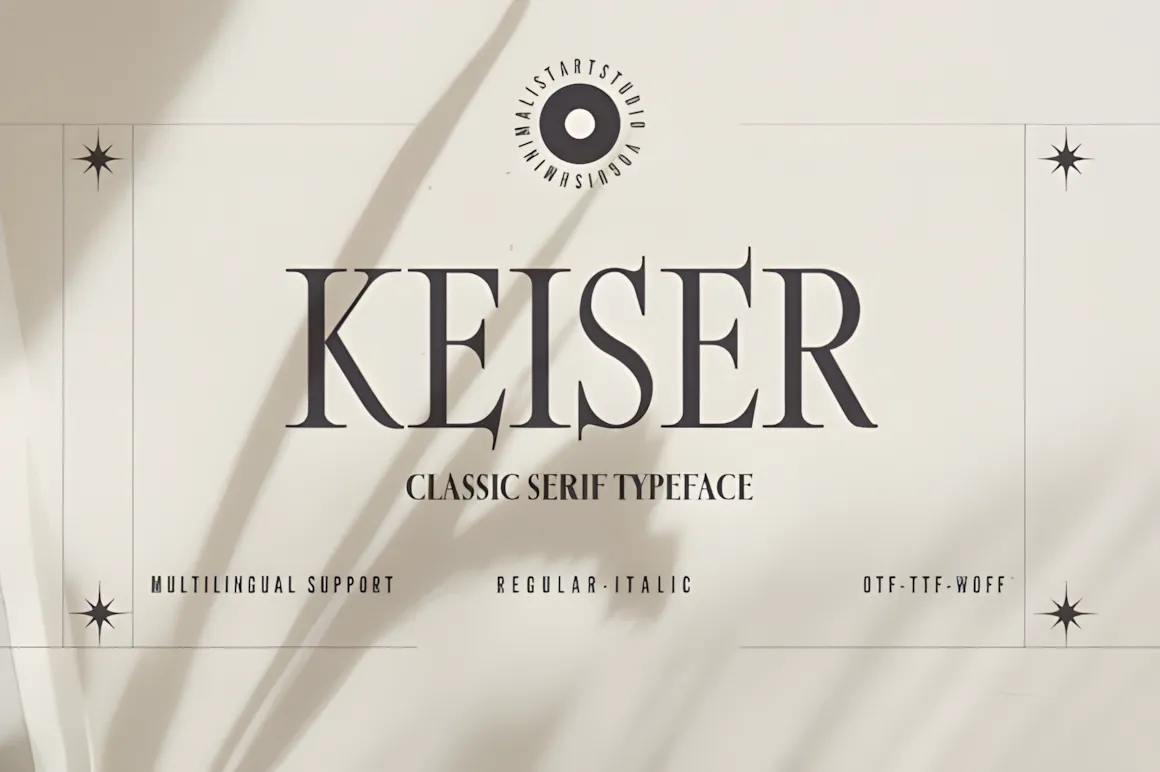
Keiser is sharp, clean, and modern. It works very well for posters, web layouts, pictures, and brands that need energy.
17. Blushing Rose
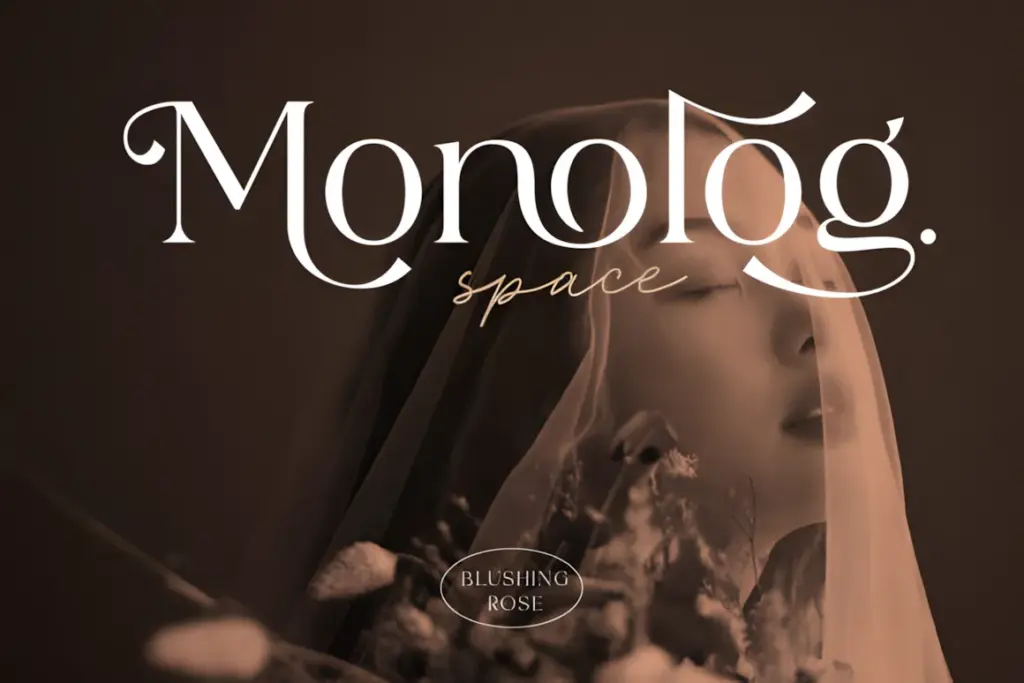
Blushing Rose brings fancy style. If you want style with a modern touch — and you want your design to feel special — this font is a good choice.
18. Retrofile
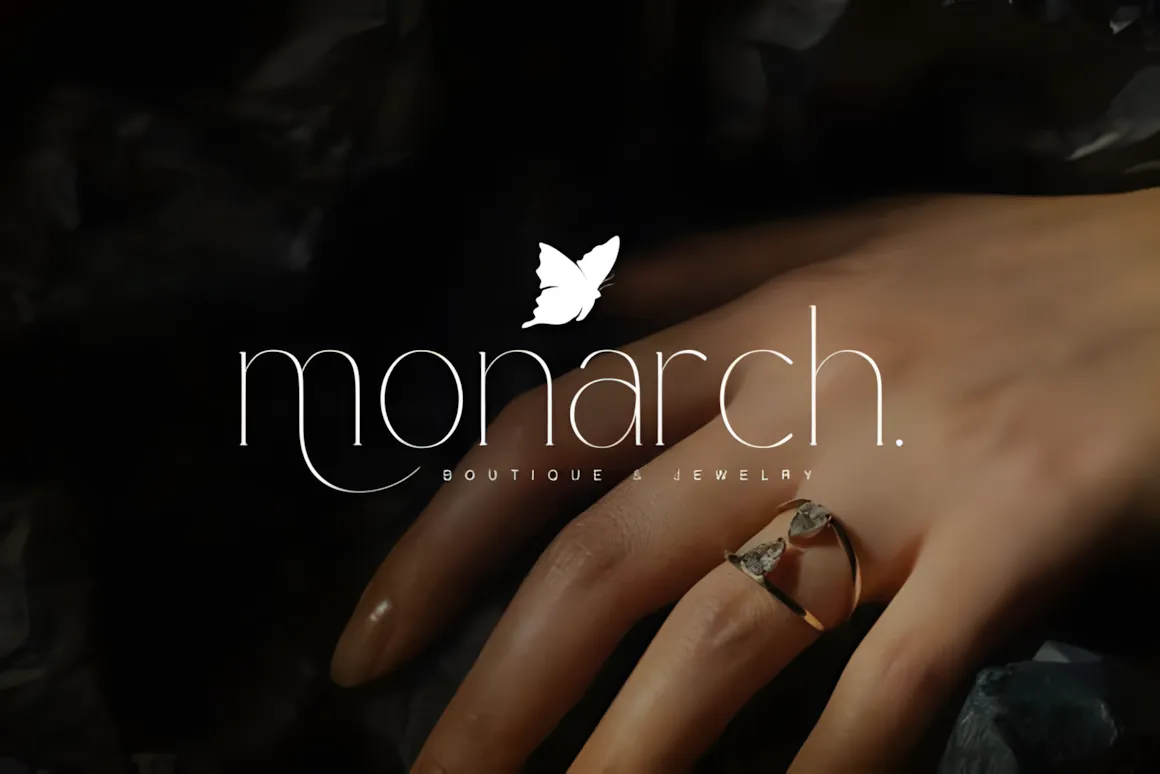
Retrofile is light, stylish, and made for design. It’s good for trendy branding that wants to be stylish without feeling heavy.
19. Romelu Vomelu
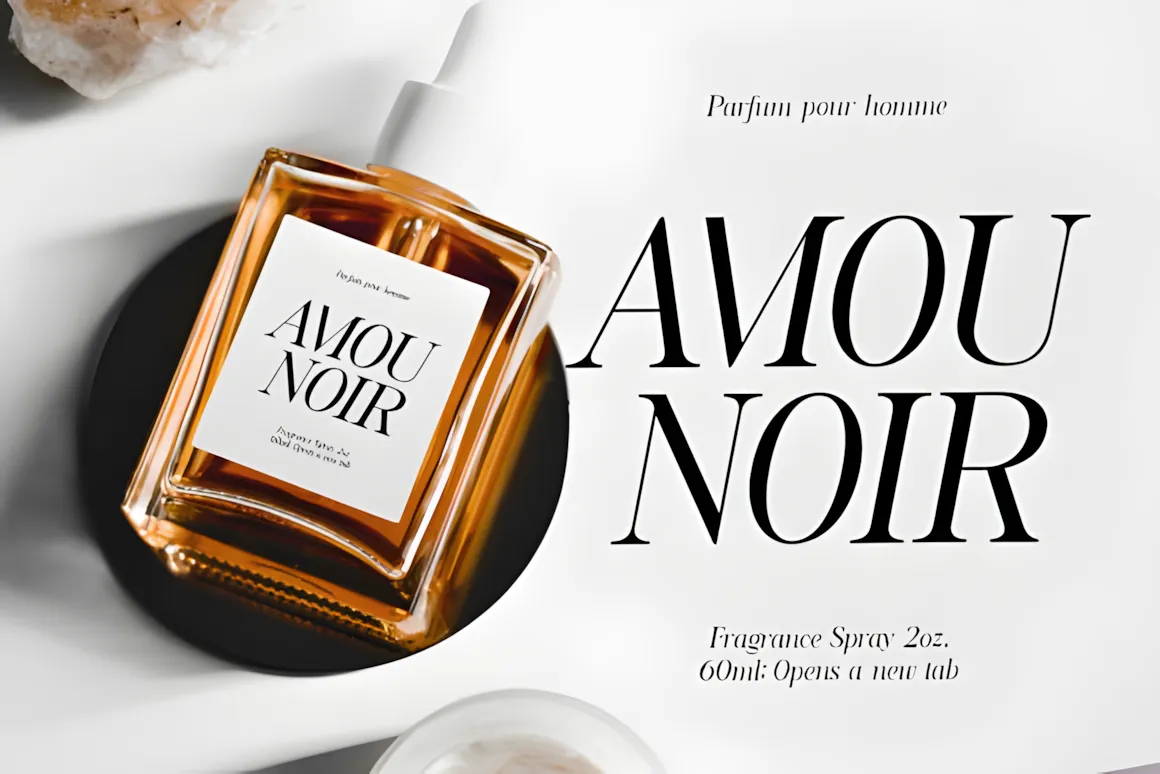
Romelu Vomelu is inspired by old fonts and is great for logo design and fancy branding. It also looks good with simple fonts for some change.
20. Amorthe Regular Font
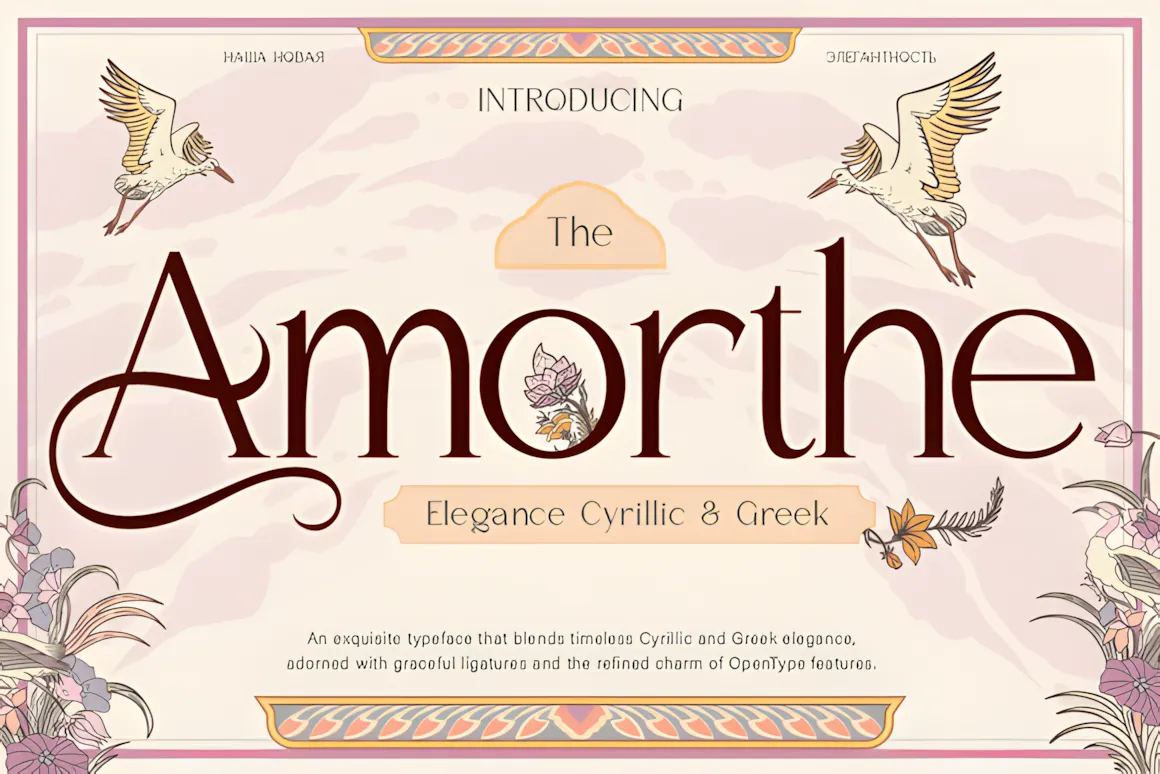
Amorthe is a cool font that mixes old-school style with today’s needs. It works great in different languages like Cyrillic and Greek.The serifs have a bit of fun added in.
It comes in nine weights, so it’s good for titles or paragraphs. It’s both classic and new, so it fits well with fancy brands, magazines, or things like wine bottles, chocolates, perfumes, and skincare stuff.
If Amorthe was a person, it’d be like Audrey Hepburn!
Plus, all the special characters are easy to use in any design program.
21. Glamour Luxury
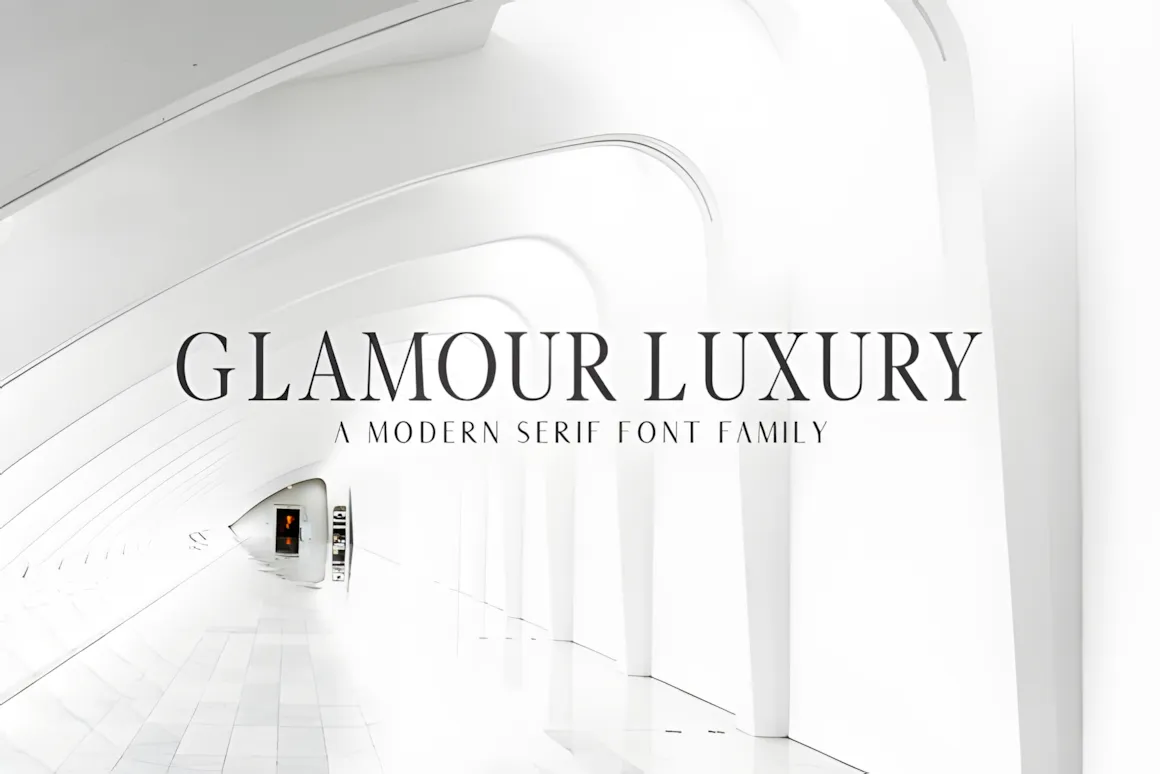
Modern, simple, and can be used almost anywhere. With different weight options, Glamour Luxury can be used for titles, branding, posters, and almost any design job.
22. Chopard
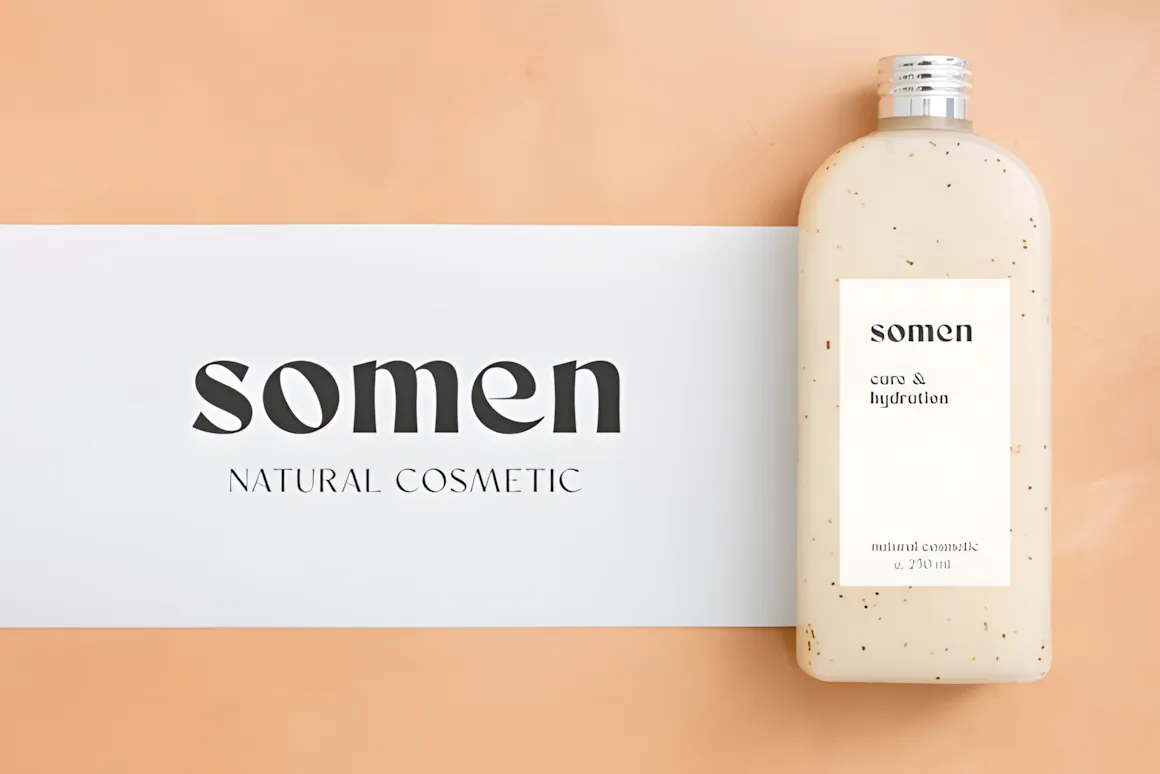
A modern font made to stand out. Chopard is easy to see while still being bold and stylish.
23. Cosen
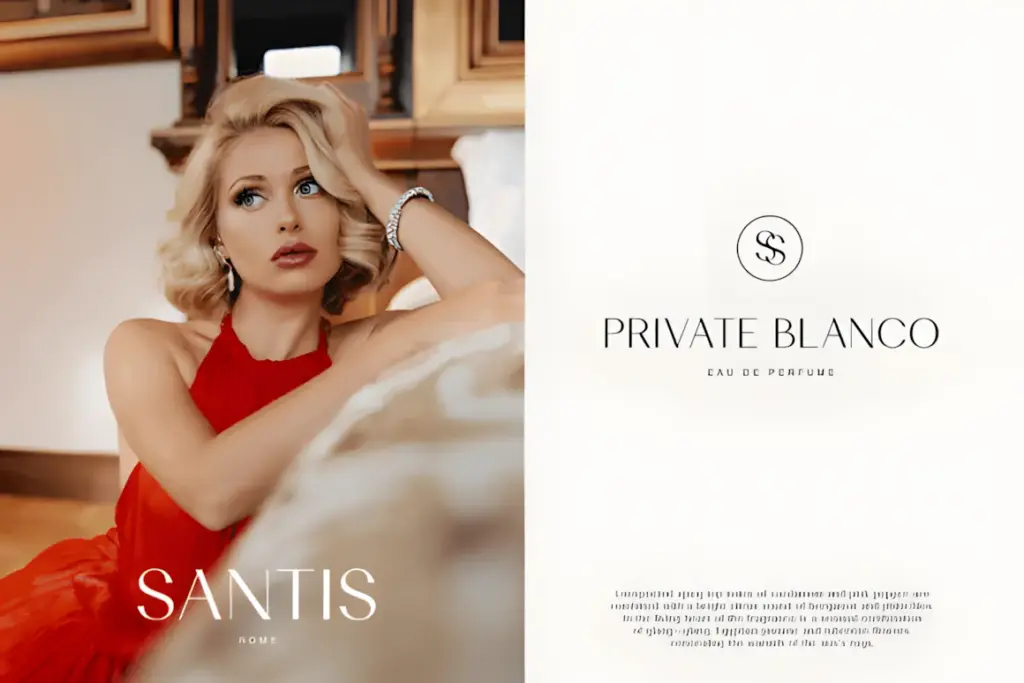
Cosen is a stylish font with a natural feel. Great for projects that want a modern style without being too formal.
Questions You Might Have
1) What’s the best font for business documents?
The best font for business papers is clear, easy to read, and simple. Good choices are:
Times New Roman
A classic font made for tradition. It’s often used in books, newspapers, and reports, and is still easy to read even when it’s small.
Arial
A clean font that looks good on screens. It’s used a lot in presentations and reports because it’s clear and simple.
Calibri
Modern, simple, and Microsoft Office uses it by default. Calibri has a smooth, business look and works well in resumes and business documents.
Garamond
Stylish and never gets old. This font is often picked for things that need to be read a lot, and where you want it to look good.
Georgia
A font designed to be easy to read on screens. A good choice for websites, e-books, and things online when you want a nice look.
2) Which font should I use for logos and designs?
Futura is one of the most famous choices. Made in 1927, it’s still a popular font, used in many print and online brands. The Font Library on Creative Fabrica has lots of fonts to try out for logos and designs.
3) What font style is most businesslike?
Good choices include Times New Roman, Arial, Calibri, and Verdana. These fonts are known for being clear, easy to read, and not distracting. But what’s best depends on the situation – what works for a law firm might not work for a tech business.
4) Are fonts with serifs okay to use?
Yes. Fonts with serifs often show history, strength, and style.
5) What’s the best font size?
Font size 12 is often seen as the standard. It’s easy to read and doesn’t strain the eyes – especially in papers.
6) What are fonts that go well together?
Fonts that go well together balance each other when used together. A good match is serif + sans-serif, which makes a nice change without looking bad. Script fonts can also be used with serif or sans-serif fonts for something extra.
7) How do I use multiple fonts well?
Keep it simple: pick two fonts.
Use one serif and one sans-serif for structure. If using script fonts, use them for titles or other small things. Try different fonts until they feel like they fit, not a mess.
8) What’s different between serif and sans-serif fonts?
- Serif fonts have small strokes at the ends of letters. They’re often used for printed things like books and newspapers.
- Sans-serif fonts don’t have those strokes and feel cleaner and more modern – good for websites and apps.
Choosing between them isn’t about rules – it’s about the goal and the feel you want.
Conclusion
Basically, good typography isn’t just about following trends. It’s about building trust with solid visuals. A good font choice speaks volumes about your brand, whether it’s for a logo or a presentation. Focus on making text easy to read, picking fonts that fit your audience, and playing around with font combos to make things look sharp. Have some go-to fonts ready, and you’ll always nail the right vibe for any project.
Looking for some cool fonts? If you need fonts for work or some script fonts for your brand—whether you want something fancy or more laid-back—check out Creative Fabrica. They have tons of handwritten, calligraphy, and signature fonts, both free and paid. Many include licenses for business use, so you can use them for your projects or client work without worrying.
You may also like: