Productivity has become one of the most misunderstood ideas in modern life. A lot of people picture it as waking up at 5 a.m., answering emails before sunrise, drinking green smoothies, and somehow finishing an entire week’s workload before lunch.
Some links in this article may be affiliate links. If you purchase through them, we may earn a small commission at no extra cost to you. Thanks for supporting our work.
But real productivity rarely looks like that.
Most genuinely productive people aren’t sprinting through endless task lists every day. They’re usually protecting their focus, managing their energy carefully, and building routines that make life feel a little less chaotic. That’s the part people often miss.
The truth is, most people are not lazy. They’re mentally overloaded. Distracted. Constantly switching attention between notifications, tabs, messages, and unfinished tasks. After a while, even simple work starts feeling heavier than it should.
Productivity is less about doing more things and more about creating enough clarity and energy to consistently work on what actually matters.
If you regularly end the day wondering where your time disappeared, these habits can genuinely change the way your days feel.
Why Productivity Is More About Energy Than Working Harder
One of the biggest productivity myths is the idea that successful people simply outwork everyone else through pure discipline.
In reality, highly productive people usually protect their energy better.
Photo by Arturo Añez on Unsplash
Think about what happens after a terrible night of sleep. Even basic tasks suddenly feel weirdly difficult. Your attention drifts constantly. Small annoyances feel bigger. You reread the same sentence three times and still don’t absorb it.
That’s not laziness. Your brain is just running low on fuel.
Real productivity is heavily connected to physical and mental energy. When you’re rested, hydrated, calm, and focused, work becomes noticeably easier. You stop forcing every task through mental resistance.
This is also why being busy and being productive are completely different things.
You can spend an entire day replying to messages, checking notifications, reorganizing files, and sitting in meetings… while still avoiding the one task that actually matters.
The Difference Between Being Busy and Being Effective
Modern life rewards visible busyness. Multitasking feels productive because your brain stays stimulated. There’s always something happening.
But effectiveness requires focus, and focus is quieter.
Peter Drucker once said:
“There is nothing so useless as doing efficiently that which should not be done at all.”
That quote still feels painfully accurate today.
Truly effective people usually simplify aggressively. They know attention is limited, so they spend it carefully instead of scattering it everywhere.
The following habits matter because they strengthen the foundations that productivity actually depends on:
energy
focus
recovery
organization
mental clarity
Not hustle culture.
9 Habits to Develop to Be More Productive
Habit 1 – Sleep Between 7 and 9 Hours Every Night
Sleep is probably the most underrated productivity tool people ignore.
There’s still this strange culture around bragging about sleeping four or five hours a night, as if exhaustion automatically equals ambition. But most of the time, sleep deprivation just makes people slower, more distracted, and emotionally drained.
When sleep quality drops:
focus gets weaker
memory gets worse
patience disappears
procrastination increases
distractions become harder to resist
What makes this tricky is that chronic sleep deprivation starts feeling “normal” after a while. People adapt to functioning at 60–70% capacity and stop noticing how much sharper they could feel.
It’s a little like carrying a heavy backpack every day. Eventually you stop noticing the weight, but it still slows you down constantly.
How Sleep Affects Focus and Decision-Making
Your brain does important maintenance work while you sleep:
processing information
organizing memory
regulating hormones
reducing mental fatigue
Without enough sleep, concentration becomes fragile. Even tiny interruptions pull your attention away.
Adults who regularly sleep between seven and nine hours generally perform better cognitively and emotionally. And honestly, one underrated benefit of proper sleep is emotional stability.
When you’re exhausted, small problems suddenly feel enormous. Emails feel stressful. Minor delays become irritating. Your brain loses flexibility.
A few simple habits can improve sleep quality more than people expect:
Your productivity tomorrow starts the night before.
Habit 2 – Move Your Body Every Day
Exercise tends to disappear first when life gets busy.
Ironically, that’s usually when people need it most.
Physical movement does far more than improve appearance. It improves energy, focus, stress tolerance, and mental clarity. Even short workouts can noticeably change how your brain feels afterward.
You also don’t need extreme workouts to benefit.
A lot of productivity content accidentally makes exercise feel intimidating:
expensive gym memberships
complicated routines
intense fitness culture
But consistency matters way more than intensity.
Why Short Workouts Often Work Better
Simple movement is underrated.
Some of the most sustainable routines are things like:
brisk walks
stretching
cycling
short bodyweight workouts
yoga
light strength training
The interesting thing about exercise is that it creates momentum. One healthy decision often makes the next one easier.
A morning workout, even a small one, tends to improve:
mood
focus
food choices
motivation
stress levels
It’s like pushing the first domino.
Morning movement especially helps because it wakes your brain up properly. A lot of people notice they procrastinate less on days when they move early.
And on difficult days, small effort still counts.
A 10-minute walk is infinitely better than waiting for the “perfect” workout.
Habit 3 – Practice Meditation for a Few Minutes Daily
Meditation still sounds intimidating to some people.
A lot of people picture silent retreats or monks sitting cross-legged for hours. But practical meditation is much simpler than that.
At its core, meditation is just attention training.
Modern attention is fragmented constantly:
messages
notifications
news
social feeds
emails
endless tabs
After a while, the brain starts feeling noisy all the time.
Meditation helps reduce that mental static.
Training Your Brain to Stay Focused
One thing people misunderstand about meditation:
Your mind will wander.
That’s normal.
The practice is noticing the distraction and calmly bringing attention back. That repetition is basically the workout itself.
Meditation has been linked to improvements in focus, memory, emotional regulation, and stress reduction.
And stress quietly destroys productivity more than people realize.
Stress creates:
overthinking
procrastination
mental exhaustion
impulsive distractions
Meditation creates a little space between thoughts and reactions. Instead of instantly spiraling when something stressful happens, your brain becomes slightly calmer and more deliberate.
You don’t need a complicated setup either.
Start with:
5 quiet minutes
comfortable posture
slow breathing
no phone nearby
That’s enough.
Habit 4 – Stay Hydrated Throughout the Day
Dehydration affects concentration way more than most people realize.
A lot of afternoon brain fog is not always lack of motivation. Sometimes it’s just low water intake.
When hydration drops:
thinking feels slower
focus weakens
headaches appear
energy becomes inconsistent
Your brain relies heavily on water to function properly.
Photo by Mineragua Sparkling Water on Unsplash
The Link Between Hydration and Mental Performance
Hydration supports:
circulation
energy production
cognitive function
temperature regulation
Without enough water, your body becomes less efficient very quickly.
One useful trick is making water visible and convenient. People underestimate how much environment shapes habits.
If your water bottle is sitting directly beside you, you’ll drink more without thinking about it.
Simple hydration habits work surprisingly well:
Time of Day
Hydration Habit
Morning
Drink water after waking
During work
Keep a bottle nearby
Before meals
Have one glass beforehand
After exercise
Increase intake
Afternoon slump
Try water before caffeine
Tiny habits repeated consistently usually matter more than dramatic productivity systems.
Habit 5 – Set 1 to 3 Priority Tasks Each Day
Huge to-do lists are often productivity traps.
People write down 18 tasks, complete six, then feel disappointed instead of accomplished.
Narrowing your focus to one to three meaningful priorities changes everything.
When the brain sees an enormous list, tasks start feeling emotionally heavy. Procrastination increases because the workload feels endless.
But a short priority list feels manageable.
Why Smaller Goals Create Better Momentum
Think of attention like a flashlight.
If it’s pointed everywhere at once, nothing gets enough focus. But when concentrated on one thing, progress becomes clearer.
Priority tasks reduce decision fatigue too. Instead of constantly wondering what deserves attention next, you already know.
A simple structure works well:
Category
Example
Must Do
Important project work
Should Do
Administrative tasks
Could Do
Optional activities
Your “must do” tasks deserve your best energy first — ideally during the hours when your concentration is naturally strongest.
One underrated benefit of this approach is emotional clarity. Finishing meaningful work creates momentum that random busywork never does.
Habit 6 – Put Your Phone on Airplane Mode While Working
Smartphones are incredible tools.
They’re also one of the biggest focus killers ever created.
Modern apps are engineered to keep pulling you back:
notifications
vibrations
badges
messages
endless feeds
The problem isn’t only the interruption itself.
It’s the recovery time afterward.
Photo by Nubelson Fernandes on Unsplash
How Notifications Break Deep Focus
After an interruption, your brain doesn’t instantly return to full concentration. It usually takes several minutes to regain momentum.
That means constant phone checking quietly fragments your thinking all day long.
Deep work — the kind that requires creativity and real concentration — needs uninterrupted space.
One of the simplest productivity habits is creating short phone-free work blocks:
20 minutes
30 minutes
45 minutes
Even that small amount of uninterrupted focus can dramatically improve output.
Keeping the phone out of sight matters too. Weirdly enough, even seeing it nearby can pull mental attention away.
You’ve probably experienced this before:
“I’ll just check quickly.”
“Maybe there’s an important message.”
“One notification won’t hurt.”
Then suddenly 25 minutes disappear.
Your attention is valuable. Modern platforms compete aggressively for it, so protecting focus has become a real skill.
Implementing effective planning tools can be one of the most powerful habits you develop, and a structured system like the All-in-One Digital Planner for Structured Daily Control can make all the difference in achieving your productivity goals.
Habit 7 – Clean Your Workspace Before Ending the Day
Your environment affects concentration more than most people realize.
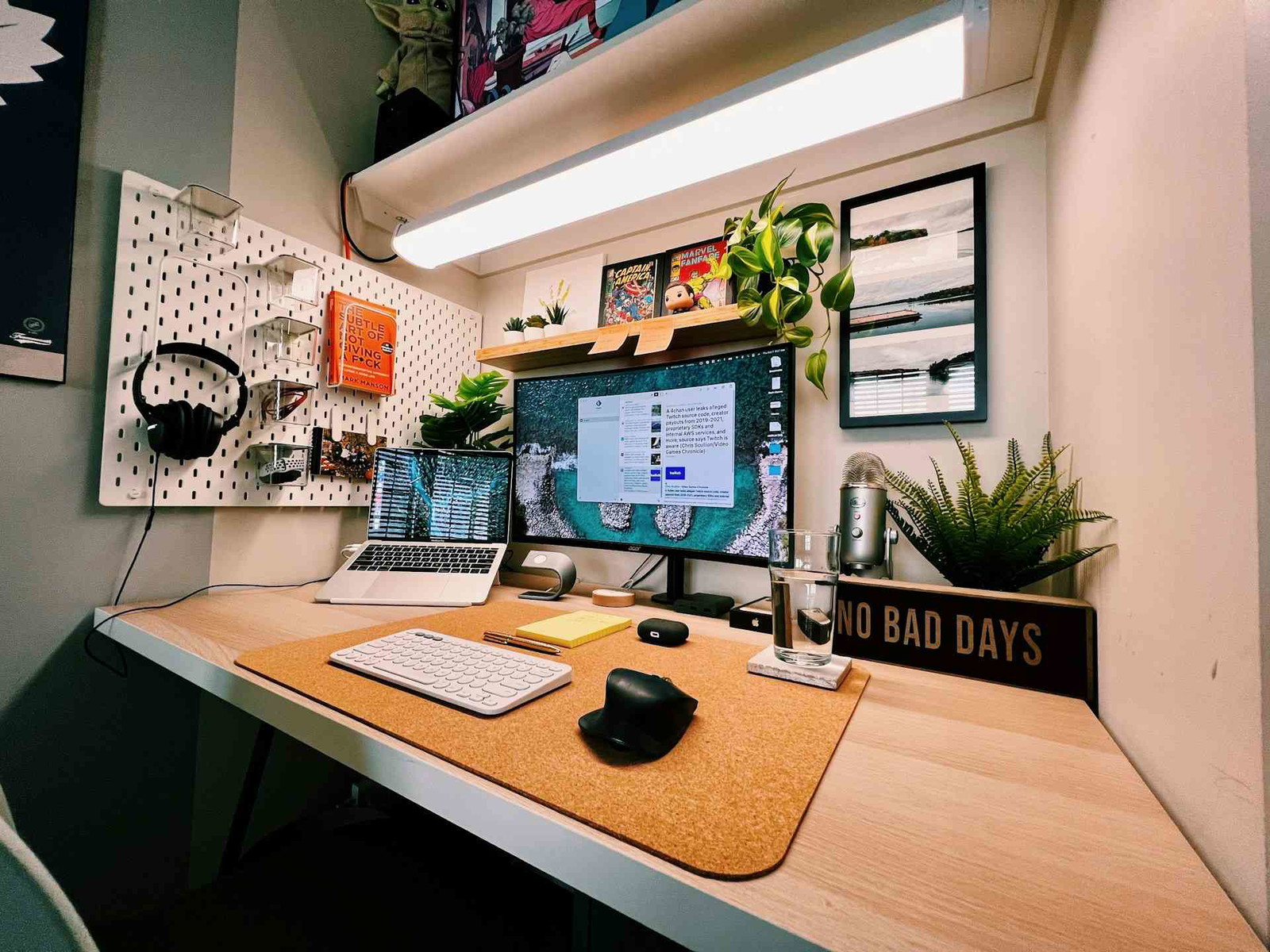
A cluttered desk creates subtle mental noise. Even when you’re not consciously thinking about the mess, your brain still processes it visually.
Most people instantly notice the difference between starting work at a chaotic desk versus a clean organized space.
Why Organized Spaces Improve Focus
Clutter increases cognitive overload.
A messy environment constantly competes for attention in the background, which makes focus feel harder than it should.
Cleaning your workspace at the end of the day creates a reset for tomorrow.
It doesn’t need to look minimalist or aesthetic enough for social media. Functional organization is enough.
Simple habits help:
throw away unnecessary papers
clear dishes or cups
organize supplies
leave only essential items visible
prepare materials for tomorrow
The whole process might take five minutes, but it changes the feeling of your next morning significantly.
A clean workspace reduces friction. You sit down and start instead of mentally sorting through chaos first.
Habit 8 – Limit Television and Passive Screen Time
One of the biggest hidden productivity drains is passive entertainment.
Most people say they don’t have enough time, but if you tracked every hour spent:
scrolling social media
watching random videos
binge-watching shows
endlessly refreshing feeds
…the total can become surprisingly large.
Entertainment itself isn’t bad. Everyone needs downtime.
The problem is unconscious consumption.
Reclaiming Hidden Hours
Streaming platforms are designed to remove stopping points:
autoplay
endless recommendations
short-form dopamine loops
Time disappears extremely easily inside those systems.
The goal isn’t eliminating entertainment completely. It’s becoming intentional about it.
A few small barriers can help:
turning off autoplay
removing TVs from bedrooms
setting viewing limits
replacing one hour of scrolling with reading or exercise
Even small adjustments reclaim surprising amounts of time over months.
A lot of people don’t actually need more time.
They need more awareness of where their attention already goes.
Habit 9 – Prepare for Tomorrow Before Going to Bed
Chaotic mornings often begin the night before.
Preparing important items, clothes, and priorities ahead of time removes a surprising amount of stress and friction.
Why Evening Preparation Helps So Much
Your brain has limited decision-making energy each day.
Tiny choices add up:
what to wear
where your keys are
what task to start first
what you forgot to pack
Preparing ahead reduces mental clutter before the day even starts.
Helpful evening habits include:
choosing clothes
packing your bag
writing tomorrow’s priorities
reviewing your calendar
charging devices
preparing meals or snacks
Morning routines feel smoother when fewer decisions are waiting for you immediately after waking up.
A calm morning usually starts with preparation the night before.
Using a productivity planner makes it easier to stay organized without trying to remember everything yourself. Many people use digital planners for daily tasks, habit tracking, work schedules, meal planning, weekly goals, and focus sessions.
Digital planners are popular because they combine structure with flexibility. Platforms like Creative Fabrica offer customizable planner templates for productivity, student planning, business organization, printable layouts, and tablet journaling. One of the biggest advantages is reducing decision fatigue since your plans and priorities are already organized in one place.
Productivity is not about becoming a machine that works endlessly without rest.
It’s about building a life where your time, focus, and energy are directed toward things that genuinely matter.
The habits covered here are simple:
sleep enough
move daily
meditate
stay hydrated
prioritize meaningful work
reduce distractions
organize your environment
limit passive screen time
prepare ahead
But simple habits are often the ones that last.
You don’t need to master all nine immediately. Start with one. Build consistency first. Then gradually add another.
A single productive day changes very little.
But productive habits repeated over months and years can completely change how you work, think, and feel.
FAQ
u003cstrongu003eWhat is the best productivity habit to start with?u003c/strongu003e
Sleep is often the best starting point because it impacts every other area of productivity. Better sleep improves focus, energy, mood, decision-making, and self-control.
u003cstrongu003eHow long does it take to build a productive habit?u003c/strongu003e
There is no exact number because habits depend on consistency, difficulty, and lifestyle. Research suggests habits can take anywhere from a few weeks to several months to become automatic.
Yes. Many productivity habits reduce mental overload, improve organization, and create a stronger sense of control over daily life. Habits like meditation, planning, and limiting distractions are especially helpful.
u003cstrongu003eHow do I stay productive when working from home?u003c/strongu003e
Create boundaries and routines. Use focused work sessions, reduce phone distractions, maintain a clean workspace, and establish a clear beginning and ending to your workday.
u003cstrongu003eWhat should I avoid if I want to become more productive?u003c/strongu003e
Avoid multitasking, constant notifications, unrealistic to-do lists, poor sleep habits, and excessive passive screen time. These behaviors silently drain focus and energy over time.
Hi, I’m Nik Oyun, the creator and editor behind Fontiverse. I’m passionate about typography, design, and modern visual aesthetics. After years of searching for quality fonts and creative assets, I created Fontiverse to help designers and creators discover clean, useful, and inspiring resources faster.
Follow Us
This website uses cookies to improve user experience. By continuing to use the site, you consent to the use of cookies.




Follow Us