

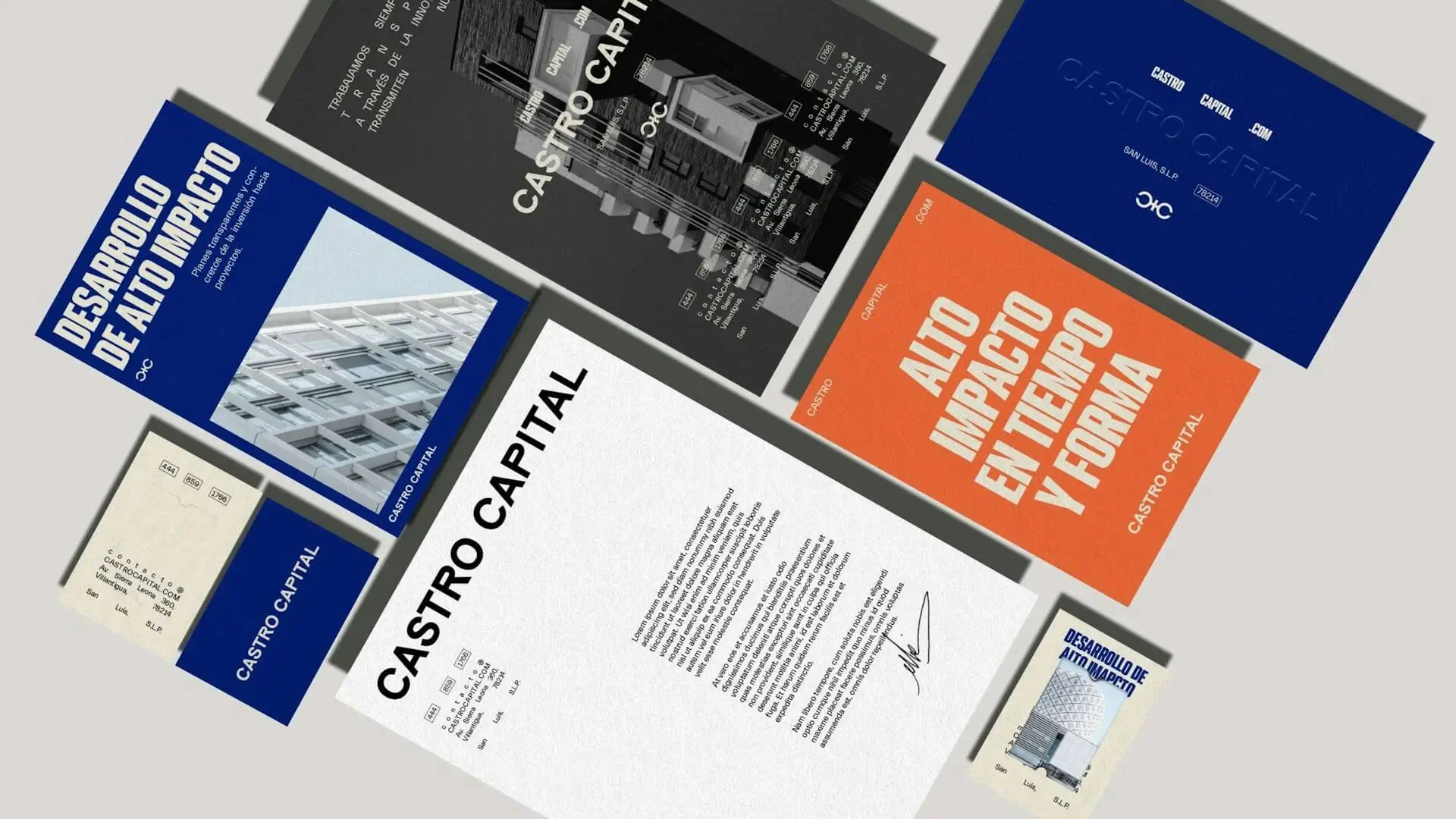
Ever noticed how some fonts instantly feel elegant and traditional, while others seem fresh and modern?
That’s not magic — that’s typography psychology in action.
The great debate of serif vs sans serif fonts has been going on for centuries. Both styles have their own character and purpose, and knowing when to use each can make your designs not just beautiful, but meaningful.
So grab your favorite coffee, and let’s talk fonts — the friendly way.
Table of contents
1. First Things First: What Are Serifs Anyway?
Let’s start simple.
Serif fonts have those tiny decorative strokes — little “feet” at the ends of letters. They make words feel grounded, stable, and classic.
Think about old books, fashion magazines, or The New York Times logo — all of them use serif typefaces.
Sans serif fonts, on the other hand, don’t have those extras. “Sans” literally means “without.” They’re clean, modern, and often feel friendlier or more approachable.
You’ll find them everywhere — from tech companies like Google to minimalist brands like IKEA.
If serifs wear elegant dress shoes, sans serifs walk around in comfy sneakers. Both stylish — just for different occasions.
2. The Emotional Difference Between Serif and Sans Serif
Every font carries emotion.
Serif fonts whisper “trust me, I’ve been around a while.”
Sans serifs shout “hey, I’m modern and clear!”
Here’s the emotional split:
- Serif fonts feel traditional, authoritative, intellectual.
- Sans serif fonts feel modern, simple, confident, and direct.
That’s why banks, universities, and newspapers often go serif — they want to look reliable and timeless.
Meanwhile, startups, tech products, and lifestyle brands go sans serif to look innovative and user-friendly.
3. When to Use Serif Fonts
Use serif fonts when you want to say, “You can trust me.”
They shine in places where you need credibility, elegance, and depth.
Here are some perfect moments to bring out your serifs:
- When designing printed materials (books, brochures, newspapers).
- For luxury brands or formal industries (law, finance, education).
- In long text passages — serifs help the eye follow lines smoothly.
- When you want that timeless, sophisticated look.
Serifs are like a well-tailored suit — polished, confident, and never out of style.
4. When to Use Sans Serif Fonts
Sans serifs are the fonts of the digital age — clean, flexible, and friendly.
They’re your go-to when you want clarity and accessibility.
Use them when:
- Designing websites, apps, and presentations.
- You want your message to feel modern and simple.
- You’re building a youthful or tech-forward brand.
- You need readability on screens of all sizes.
Sans serifs are the jeans-and-tee of design — casual but effortlessly cool.
5. How Readability Plays a Role
Here’s where the font readability debate begins.
In print, serifs often win — those little strokes help guide the reader’s eye across lines of text. That’s why novels and newspapers stick with them.
But on screens, sans serifs usually steal the show — their cleaner shapes are easier to read on digital displays.
So if your content lives mostly online, sans serif fonts might be your best friend.
If it’s for print, serif fonts are your safe, classic choice.
And of course, rules are meant to be tested. Some designers flip the script beautifully — it’s all about balance and intention.
6. The Hidden Psychology of Font Choice
Fonts don’t just decorate text — they communicate feelings.
A serif font might say “heritage, trust, and knowledge.”
A sans serif might say “innovation, simplicity, and clarity.”
And when used together? Pure design harmony.
Pair a strong serif headline with a clean sans serif body text — or flip it for a modern editorial vibe. It’s like combining the best of both worlds: classic meets contemporary.
When you really think about it, typography isn’t about rules — it’s about rhythm, tone, and emotion.
7. The Branding Perspective: Personality in Type
Fonts speak for your brand before your words do.
A luxury brand like Tiffany & Co. uses elegant serifs to show refinement.
A tech giant like Google uses friendly sans serifs to feel approachable.
Both are right — because both know who they are.
That’s the secret: know your brand’s personality, and your typography choices will follow naturally.
If you’re working on your own brand, try exploring type collections on Creative Fabrica — they have beautiful serif and sans serif families that tell distinct stories.
Or head to Fontiverse, where you can discover creative, emerging fonts and experiment with combinations that feel fresh and authentic.
8. Avoiding Common Font Mistakes
Even experienced designers sometimes trip up. Here are a few pitfalls to dodge:
- Mixing too many fonts — two (three max) is plenty.
- Choosing style over readability.
- Using trendy fonts that don’t fit your message.
- Ignoring font size contrast — hierarchy matters.
- Forgetting accessibility — not everyone reads the same way.
The key is clarity first, beauty second. When your text feels easy and natural to read, your design automatically looks more professional.
9. So… Serif or Sans Serif?
Honestly? It depends.
Typography isn’t about right or wrong — it’s about what feels right.
If your project calls for elegance, reliability, or heritage — go serif.
If you want simplicity, openness, and modern vibes — go sans serif.
And if you’re feeling bold — mix them. Pairing the two can give your design energy and balance.
Think of fonts like people: different personalities, but all have stories worth telling.
10. Final Thoughts: Design with Intention
At the end of the day, serif vs sans serif fonts is not a competition — it’s a conversation.
Each brings something valuable to the table. What matters most is why you choose it.
Typography is emotion in visual form.
When your choice of font matches your message, your design becomes not just seen — but felt.
So next time you’re picking a typeface, listen to its voice. Does it whisper sophistication, or does it shout modern clarity? Either way — let it speak your story.
And if you ever need inspiration, explore Creative Fabrica and Fontiverse — treasure troves of fonts that can help you design with heart, purpose, and a touch of personality
You may also like:


