

Why Are Laser Cutters So Expensive?
If you've ever shopped for a laser cutter, you probably know the feeling.
One machine costs around $500.
Another costs $5,000.
Then you start looking at professional CO₂ systems, enclosed production machines, or industrial laser cutters, and suddenly the price jumps to $15,000, $25,000, or more.
Some links in this article may be affiliate links. If you purchase through them, we may earn a small commission at no extra cost to you. Thanks for supporting our work.
At first, that gap feels hard to justify. After all, they all use a laser beam to cut, engrave, and mark materials.
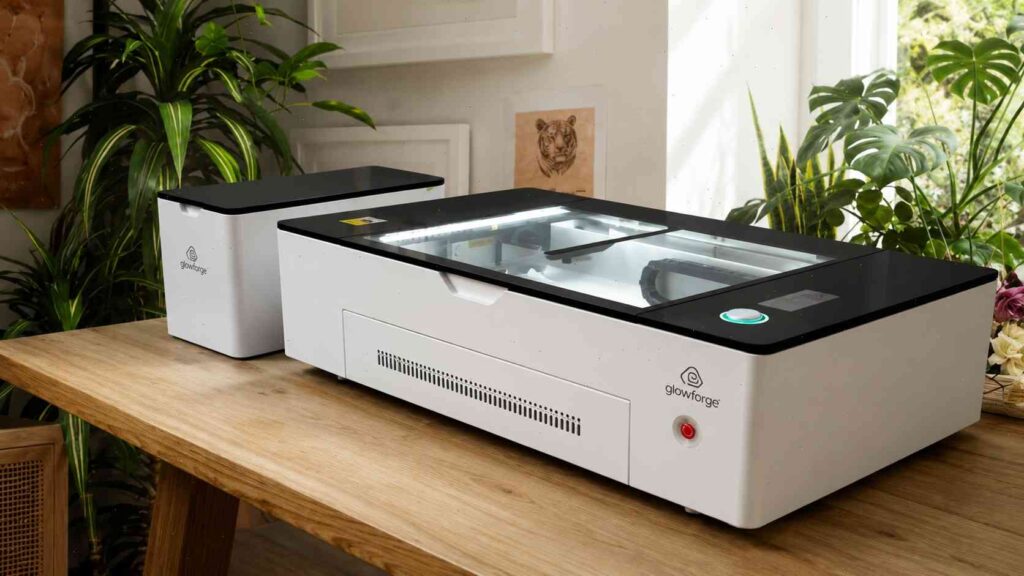
So why are some laser cutters so expensive?
The real answer is that you're usually paying for much more than the ability to cut wood or engrave a design. A budget laser and a premium laser may both produce a clean-looking sign, ornament, acrylic tag, or engraved product. But the experience of getting there can be completely different.
You're paying for speed, reliability, support, build quality, workflow efficiency, and consistency.
And once you start using a laser cutter regularly, those things matter more than beginners often expect.
Table of Contents
The Biggest Misconception About Expensive Lasers
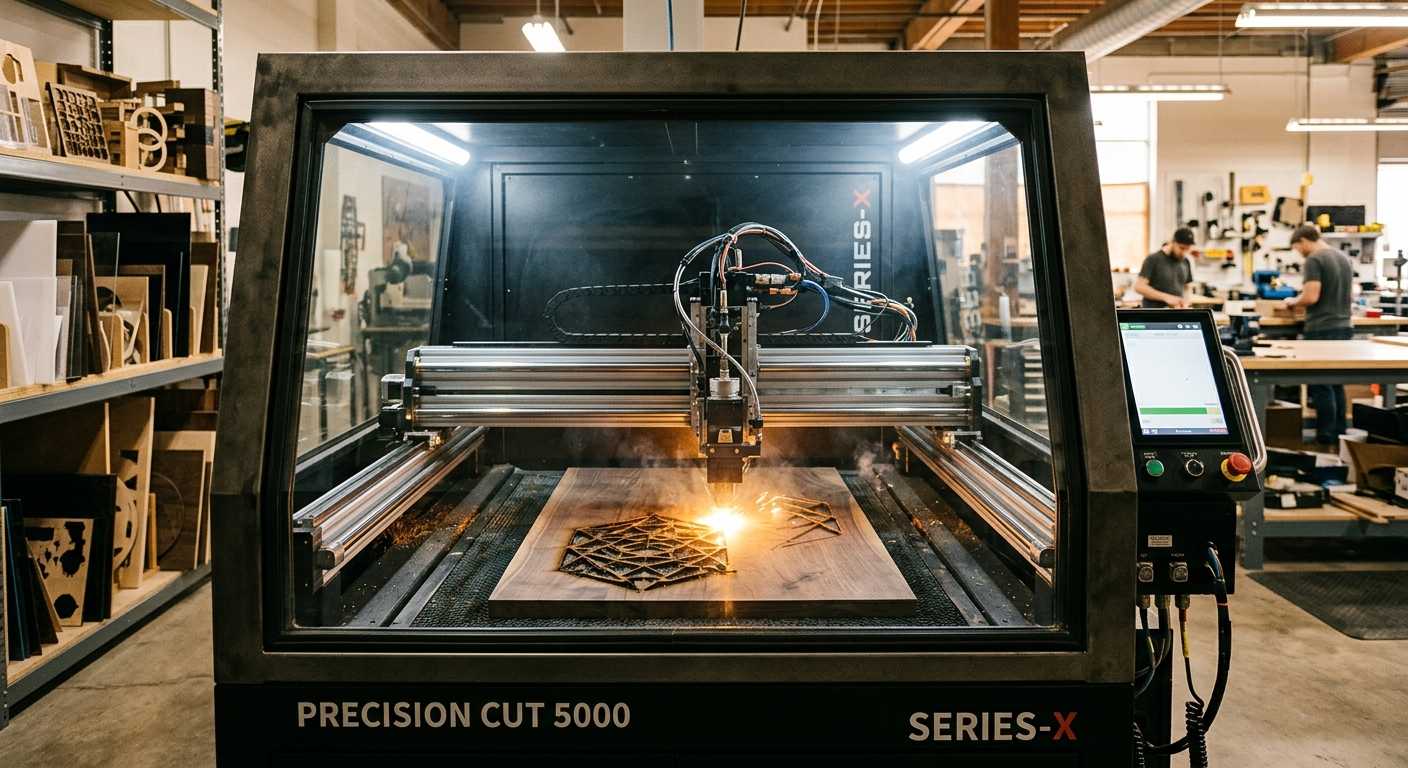
One misconception I see all the time is that an expensive laser cutter automatically makes products a cheaper machine cannot make.
Sometimes that is true.
A larger CO₂ laser can cut thicker acrylic, process bigger sheets, or handle materials that a small diode laser struggles with. A fiber laser can mark metal in ways a hobby diode laser simply cannot. Machine type does matter.
But in many everyday maker projects, the difference is not always about what the final product looks like.
It is often about how the machine gets there.
A premium laser cutter usually stands out because it can do the same type of work:
- Faster
- More consistently
- With fewer failed jobs
- With less tuning
- With better material handling
- With less maintenance downtime
For someone making one weekend project, that may not feel important.
For someone cutting 40 layered signs, engraving batches of leather patches, or producing customer orders, it becomes a very different conversation.
A design that takes 25 minutes on a small budget laser might take a fraction of that time on a stronger, better-built machine. The finished product may look similar, but the workflow behind it is not the same.
You're Paying for Speed
Speed is one of the biggest reasons laser cutters become expensive.
When people first compare machines, they often look at wattage. That makes sense, but wattage is only part of the story. Real production speed also depends on motion hardware, acceleration, optics, air assist, cooling, software control, and how well the machine maintains quality while moving quickly.
For example, imagine a product that takes:
- 20 minutes on a budget laser cutter
- 8 minutes on a commercial laser cutter
The finished item may look almost identical.
But over 100 orders, the difference becomes huge.
That is where expensive machines start making sense for businesses. Faster cutting and engraving means more products completed in the same amount of time, shorter turnaround times, and less pressure when orders pile up.
I also notice this with engraving-heavy projects. A machine may technically engrave detailed artwork, but if the carriage is slow, the motion system vibrates, or the engraving settings need constant adjustment, the job becomes frustrating fast.
Speed is not just about being impatient.
In a workshop, speed affects pricing, batch production, energy use, and how much time you have left for sanding, painting, assembly, packaging, and customer work.
You're Paying for Reliability
Budget laser cutters can absolutely produce beautiful results.
I have seen small diode lasers create clean ornaments, detailed engraving, layered wood projects, and surprisingly polished products. The issue is not that affordable machines are useless. They are often capable.
The question is how much adjustment they need to stay consistent.
Less expensive machines may require more attention to:
- Belt tension
- Focus height
- Frame alignment
- Lens cleaning
- Cooling
- Air assist
- Software settings
- Material positioning
That is manageable when you are learning or making occasional projects.
But if you use a laser cutter every day, reliability becomes valuable very quickly.
Professional laser systems are usually designed for longer working sessions and more predictable output. Better rails, motors, electronics, cooling systems, and enclosures all help the machine behave consistently.
This matters when you are cutting repeat products.
If I cut the same SVG file from the same plywood today and next week, I want the result to be predictable. I do not want to spend half the session wondering why the bottom layer suddenly has more burn marks or why one corner did not cut through cleanly.
Reliability saves material.
It also saves patience.
You're Paying for Better Components
A lot of what makes a laser cutter expensive is hidden inside the machine.
The product page may talk about power, bed size, and speed, but the real difference often comes from the components that are less exciting to advertise.
Expensive laser cutters may include better:
- Motors
- Linear rails
- Bearings
- Belts
- Lenses
- Mirrors
- Power supplies
- Control boards
- Cooling systems
- Air assist systems
- Exhaust design
- Enclosures
These details affect everyday cutting more than beginners realize.
A rigid frame helps keep vector paths accurate. Better motion hardware reduces wobble and vibration. Stronger air assist helps reduce flare-ups and burn marks. A stable power supply helps engraving look more even.
On paper, two machines might both say they can cut 3 mm wood.
In practice, one may cut it cleanly in one pass, while the other needs slower settings, extra passes, more sanding, and more babysitting.
That difference becomes even more noticeable with detailed SVG files.
Thin bridges, small cutouts, layered designs, and tight curves all reveal how stable a machine really is. A file can look simple on screen but expose every weakness in the laser's motion system once cutting begins.
You're Paying for Consistency
Consistency is one of the least glamorous parts of laser cutting, but it is one of the most valuable.
When I look at laser-ready files, I always think about how the machine will handle the actual paths. A clean SVG with organized cut lines and engraving layers is easier to process, but the machine still needs to follow those paths accurately.
With lower-end machines, you may get more variation between jobs.
One sheet cuts cleanly.
The next sheet needs another pass.
One engraved logo looks crisp.
The next one looks slightly lighter because the material surface changed or the machine settings were not stable enough.
Some variation is normal with natural materials like plywood, MDF, leather, and wood blanks. But better machines usually reduce the number of surprises.
For business owners, consistency is not optional.
Customers expect the tenth product to look like the first one. If a machine creates inconsistent engraving depth, uneven cutting, or unreliable alignment, it slows down the entire workflow.
You spend more time checking pieces, re-cutting parts, and adjusting settings.
That hidden time has a cost.
You're Paying for Support
Support is one of the most overlooked reasons expensive laser cutters cost more.
When a hobby machine stops working, it is annoying.
When a business machine stops working, it can delay orders, create refunds, and damage customer trust.
This is why many businesses pay more for brands with stronger support, better documentation, replacement parts, training resources, and service options.
Good support can matter when you need help with:
- Alignment issues
- Software problems
- Replacement lenses or mirrors
- Tube replacement
- Power supply problems
- Cooling errors
- Firmware updates
- Warranty claims
A cheaper machine may still be worth buying, especially if you enjoy tinkering and troubleshooting. But not everyone wants their laser cutter to become a second hobby.
Some makers want to design the file, load the material, check the cut settings, and get to work.
That peace of mind is part of the price.
You're Paying for Workflow
A laser cutter is not just a machine.
It is part of a workflow.
That workflow includes file preparation, material setup, focusing, alignment, test cuts, engraving layers, cutting, cleanup, sanding, painting, assembly, and packaging.
Premium machines often make that workflow smoother.
Depending on the model, you may be paying for features like:
- Better cameras
- Easier material alignment
- Autofocus
- Larger bed size
- Pass-through slots
- Stronger ventilation design
- Built-in cooling
- Safer enclosures
- More reliable software
- Better job previews
- Faster repeat production
Some of these features may sound like conveniences, but they can save real time.
For example, good alignment helps when engraving finished products, cutting pre-painted wood, or placing designs on irregular blanks. Autofocus can reduce setup mistakes. A larger bed allows more pieces to be nested into one job, which improves production efficiency.
A well-organized SVG saves time.
A well-designed laser workflow saves even more.
Do Hobbyists Need an Expensive Laser?
Not necessarily.
Many hobbyists do not need a premium laser cutter.
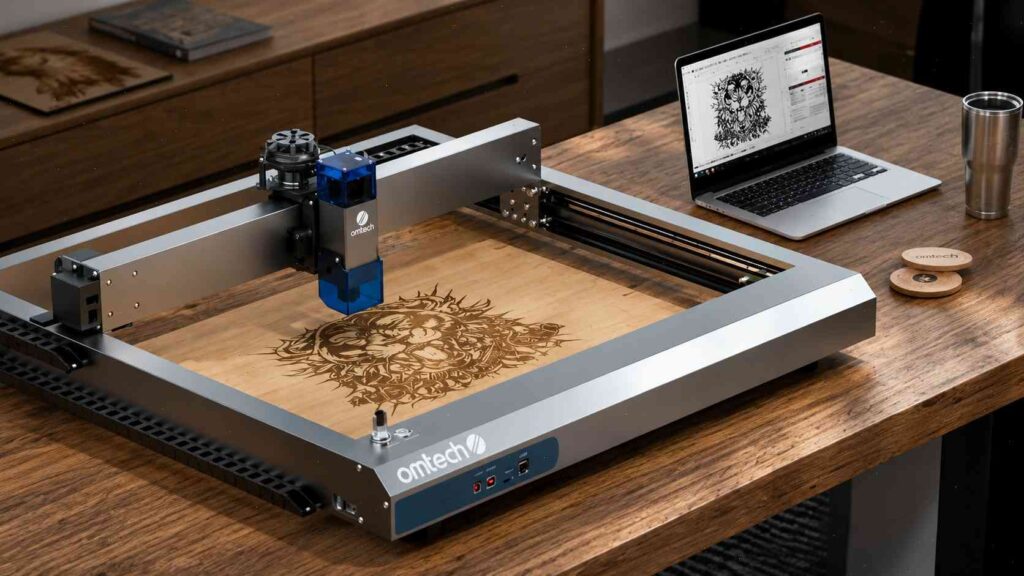
If you are making occasional projects, testing SVG files, engraving gifts, cutting ornaments, or learning digital fabrication, an affordable diode laser or entry-level CO₂ machine may be enough.
In fact, starting smaller can be smart.
You learn how vector paths behave, how different materials react, why air assist matters, how burn marks happen, and how kerf affects assembly. Those lessons are useful no matter what machine you eventually buy.
A budget laser can teach you a lot.
The key is having realistic expectations.
Affordable machines may be slower. They may require more manual adjustment. They may struggle with thick materials, clear acrylic, or long production sessions. But for many makers, that tradeoff is acceptable.
Not every workshop needs a commercial machine on day one.
One thing I often tell new makers is that the machine is only part of the investment. You'll also need projects to practice on. If you're looking for laser-ready SVG files, layered designs, signs, ornaments, and engraving templates, I often recommend browsing the design library at Creative Fabrica. Having access to well-organized files can help you spend more time learning materials and machine settings instead of redrawing designs from scratch.
When an Expensive Laser Makes Sense
A premium laser cutter starts to make more sense when the machine becomes part of a serious production workflow.
It may be worth the investment if:
- You run a laser cutting business
- You sell products regularly
- Production speed matters
- Downtime affects your income
- You process large batches
- You need consistent results every day
- You cut larger sheets
- You work with acrylic often
- You need better material handling
- You want less troubleshooting
This is especially true for products with multiple steps.
Layered signs, engraved gifts, acrylic displays, ornaments, business products, and personalized items all require more than cutting. You still need finishing, assembly, photography, listings, packing, and customer communication.
If the laser cutter is slow or unreliable, it creates pressure everywhere else.
At some point, a better machine is not about luxury.
It is about removing bottlenecks.
Expensive Does Not Always Mean Better for You
That said, an expensive laser is not automatically the right choice.
Some premium machines are excellent for production but unnecessary for casual use. Some brands charge more for convenience, software ecosystems, or polished design. Some machines look impressive but may not fit your actual materials, workspace, or budget.
Before buying, I would look at:
- What materials you plan to cut
- How often you will use the machine
- Whether you need cutting, engraving, or both
- How much space you have
- What ventilation you can manage
- Whether support matters to you
- How comfortable you are with maintenance
- How quickly you need to produce finished work
A laser cutter should fit your workflow, not just your wish list.
I would rather see a beginner buy a realistic machine and use it confidently than overspend on something intimidating that sits unused.
Once you understand what contributes to a laser cutter's price, it becomes easier to navigate the market and find the Best Laser Cutter Brands for Beginners and Makers in 2026 that offer great value.
Final Thoughts
Expensive laser cutters are not always expensive because they create completely different products.
Often, they are expensive because they create similar products faster, cleaner, more consistently, and with fewer interruptions.
For hobby users, a budget laser cutter can be a practical and enjoyable way to start. You can learn SVG preparation, cut settings, engraving layers, material behavior, and project assembly without making a huge investment.
For growing businesses, a more capable machine can eventually become one of the easiest ways to improve productivity and reduce frustration.
The real question is not simply whether an expensive laser cutter is worth it.
The better question is whether the speed, reliability, support, and workflow improvements are worth it for the way you actually plan to use the machine.
Many makers eventually reach a point where machine limitations become more noticeable than the learning curve itself. Larger work areas, autofocus, enclosed designs, and faster cutting speeds can significantly improve both productivity and project quality.
If you're researching your next upgrade, it's worth comparing modern CO₂, diode, fiber, and UV laser machines to see which system best fits your workshop and future projects.
FAQ
Why are laser cutters so expensive?
Laser cutters are expensive because you're paying for much more than laser power. Higher-end machines offer faster cutting speeds, better reliability, improved components, advanced safety features, and professional customer support.
Are expensive laser cutters worth it?
For hobbyists, an affordable laser cutter is often enough. For businesses producing products regularly, a premium machine can save significant time through faster production, fewer failures, and reduced downtime.
Why is there such a large price difference between laser cutters?
Price differences come from factors like laser type, build quality, cutting speed, software, cooling systems, motion components, safety features, and manufacturer support. Commercial machines are built for continuous operation and higher productivity.
Can a cheap laser cutter make the same products as an expensive one?
In many cases, yes. A budget laser can often create similar signs, ornaments, and engraved products. The biggest differences are usually speed, consistency, reliability, and ease of use rather than the final appearance.
Is a diode laser cheaper than a CO₂ laser?
Generally, yes. Diode lasers typically have a lower upfront cost, while CO₂ lasers offer faster cutting speeds, better acrylic performance, and higher production capabilities, which increases their price.
How much should a beginner spend on a laser cutter?
Many beginners start with machines in the $300–$1,500 range. The ideal budget depends on the materials you want to work with, project size, and whether you plan to use the machine as a hobby or business tool.
What is the biggest benefit of an expensive laser cutter?
The biggest advantage is efficiency. Premium laser cutters often provide faster production, more consistent results, less maintenance, and better support, which becomes increasingly valuable as project volume grows.

Follow Us