

Introduction
Lettering fonts for small business branding can do something plain corporate type often struggles with: they make a brand feel personal before anyone reads the product description. For handmade shops, boutique service providers, cafés, beauty brands, sticker sellers, wedding vendors, and creative studios, that personal feeling matters.
Some links in this article may be affiliate links, which help support Fontiverse at no additional cost to you.
But lettering fonts are tricky. Some look beautiful in a big preview and fall apart on a small label. Others have gorgeous swashes but become too decorative for a logo, business card, or Instagram profile image. For this list, I focused on lettering fonts that make sense for real small business branding — logos, packaging, signs, labels, social graphics, thank-you cards, and simple brand marks.
Creative Fabrica had enough relevant lettering, brush, script, and handwritten options to build a useful 12-font shortlist. Some listings confirm technical details like PUA encoding, Cricut/Silhouette compatibility, or OTF/TTF formats; where that was not confirmed, I kept the technical notes conservative rather than guessing.
Quick Picks
- Best warm handmade option: Branding Font by Amarlettering
- Best polished boutique option: Lettering Font by Creassion Studio
- Best bold brush option: Brushora
- Best refined luxury option: Thin Line Lettering
- Best flexible mini-system: Brush Family Font
How I Picked These
I compared these lettering fonts by logo readability, stroke weight, spacing, thumbnail performance, small-label practicality, pairing flexibility, cutting-machine usefulness where confirmed, and how well each style can give a small business personality without making packaging, social graphics, signage, or supporting text harder to read.
12 Best Lettering Fonts for Small Business Branding
1. Branding Font by Amarlettering
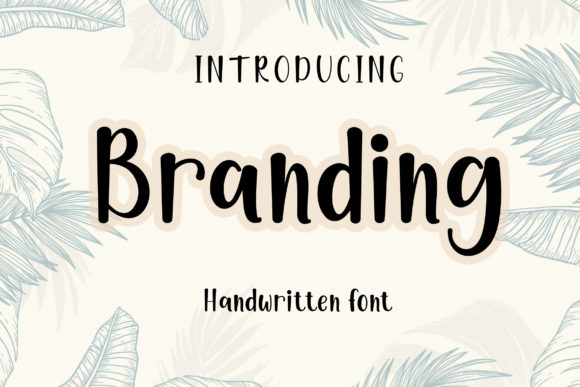
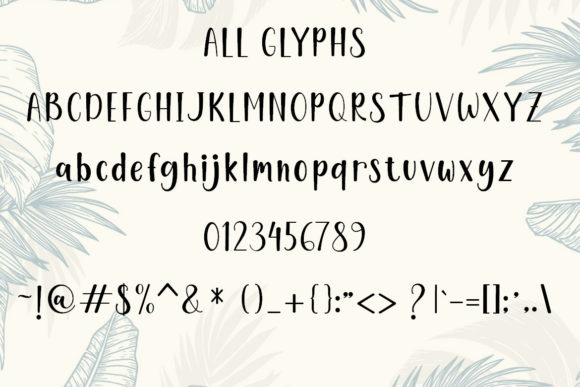
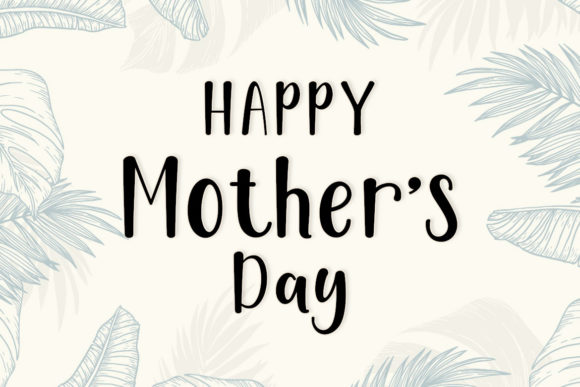
Branding Font has a sweet handwritten feel that suits small brands trying to look warm, approachable, and personal. The letterforms are not overly formal, which makes it easier to imagine on thank-you cards, small packaging inserts, social posts, and casual boutique logos.
This is the kind of font I would test for candle brands, handmade soap labels, children’s products, cozy cafés, or lifestyle shops where the brand voice should feel friendly rather than polished to the point of being cold. It has compatibility notes for Windows, Mac, Linux, Cricut, Silhouette, other cutting machines, and webfont conversion, which makes it more practical for makers who move between digital design and physical products.
Best for: Cozy shops, labels, thank-you cards
Key features: Sweet handwritten style, maker-friendly compatibility
License: Commercial use via Creative Fabrica license
2. Lettering Font by Creassion Studio
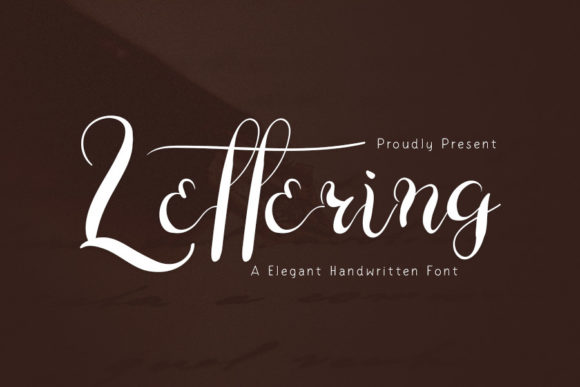
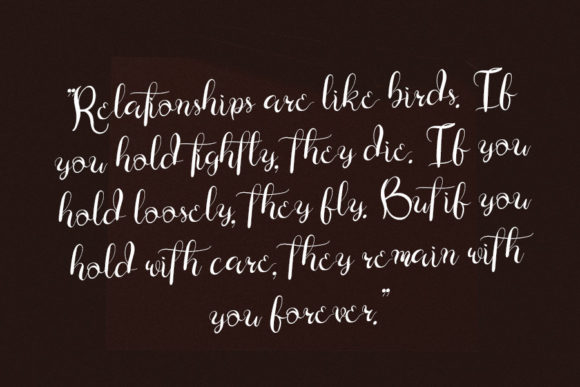
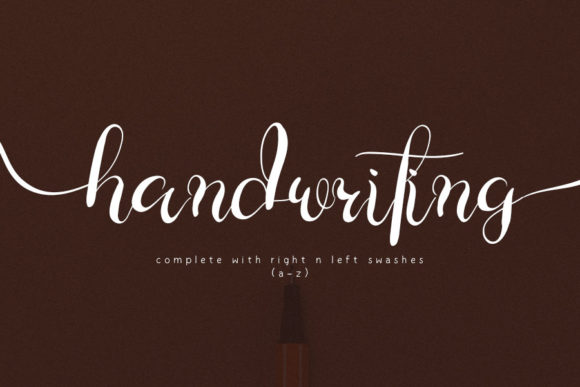
Lettering Font by Creassion Studio leans more elegant and polished. It is a handwritten font suited to text logos, branding, greeting cards, and wedding invitation cards, with PUA encoding for glyph and swash access. That matters because lettering fonts often need a little customization to feel less generic in a logo.
For small business branding, I would use this one when the brand needs softness without looking too casual. Think wedding vendors, boutique stationery, beauty packaging, floral branding, or a handmade shop that wants a refined handwritten mark. The swashes can help with a logo lockup, but I would avoid using too many decorative endings in the same word.
Best for: Elegant logos, stationery, wedding brands
Key features: Handwritten style, PUA glyph access
License: Commercial use via Creative Fabrica license
3. Branding Font by Goodrichees
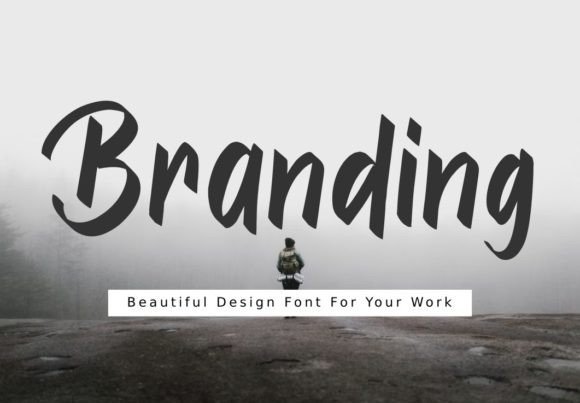

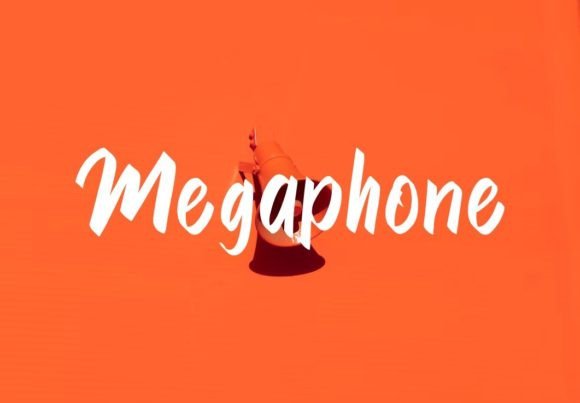
This Branding Font is thicker, more cursive, and more confident than the Amarlettering option. It has a stronger display presence, which makes it useful for headlines, logotypes, packaging fronts, and brand graphics that need to grab attention quickly.
I would put it in the “bold personality” category. It is not the quietest choice, and that is the point. It can work for apparel brands, sticker shops, retro-inspired packaging, social media graphics, and small businesses with a lively brand voice. The thicker lettering gives it better visual weight than delicate scripts, but longer business names may need careful spacing.
Best for: Bold logos, packaging, headline branding
Key features: Thick cursive lettering, nostalgic character
License: Commercial use via Creative Fabrica license
4. Miller Brush Font by Hardtype
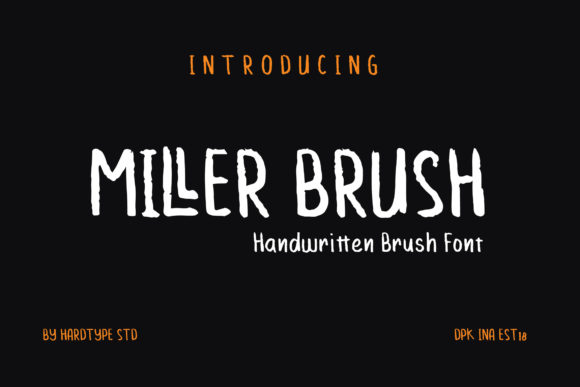
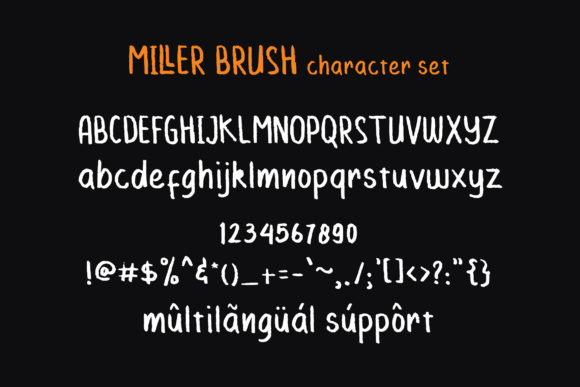
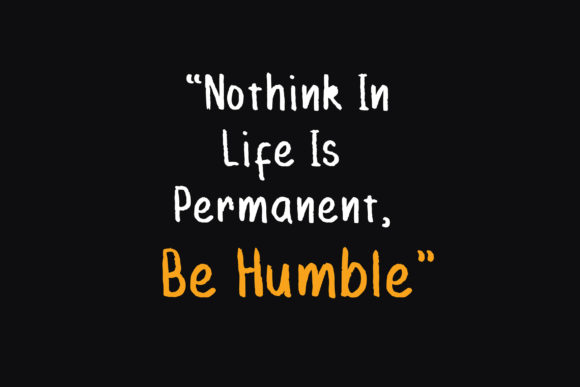
Miller Brush is a handwritten brush font positioned for logos, quotes, posters, playful lettering, clothing, and designs needing a unique touch. That range makes sense: brush lettering often has enough texture and movement to feel energetic without needing extra illustration.
For small business branding, this is better for expressive brands than delicate ones. I would test it for merch, coffee packaging, food trucks, creative studios, fitness-adjacent brands, or handmade goods with a stronger personality. The brush texture gives it a human edge, but I would keep supporting text clean and simple so the logo does not feel noisy.
Best for: Merch, posters, playful brand marks
Key features: Brush texture, handwritten display energy
License: Commercial use via Creative Fabrica license
5. Cute Lettering Font by ARLILA FOUNDATION
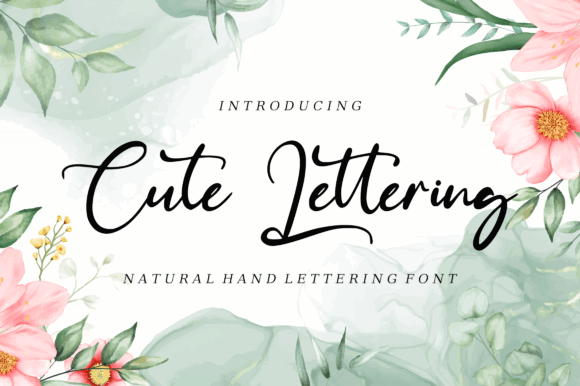
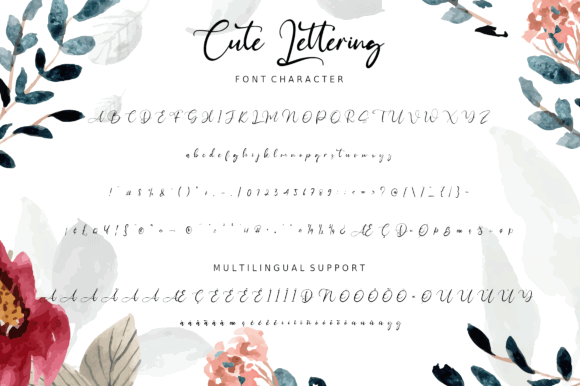
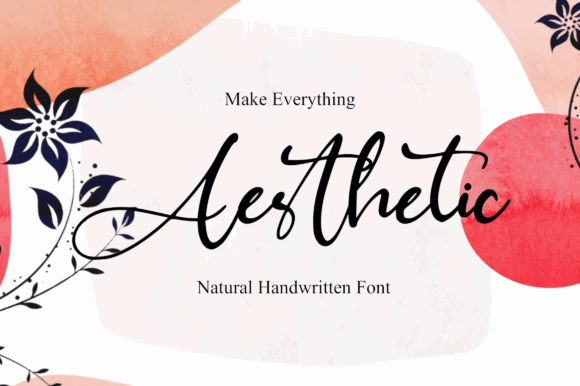
Cute Lettering is a lovely handwritten font suited to logos, branding, and quotes, with PUA encoding for glyphs and swashes. It also includes compatibility notes for Windows, Mac, Linux, Silhouette, other cutting machines, and webfont conversion.
This one feels more gentle than aggressive. I would use it for small shops with a sweet, handmade, feminine, or family-friendly style: bakery branding, sticker labels, craft packaging, baby boutique logos, teacher resources, or friendly social templates. It may not be the strongest fit for luxury branding or serious professional services, but for approachable small brands, the tone is clear.
Best for: Cute shops, craft labels, friendly logos
Key features: PUA encoded, soft handwritten personality
License: Commercial use via Creative Fabrica license
6. Billjones Brush Hand-Lettering Script Font by Vunira
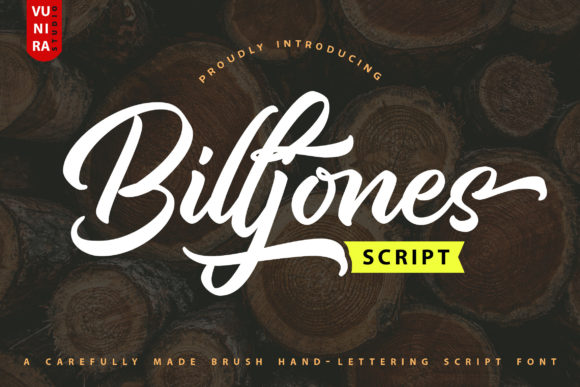
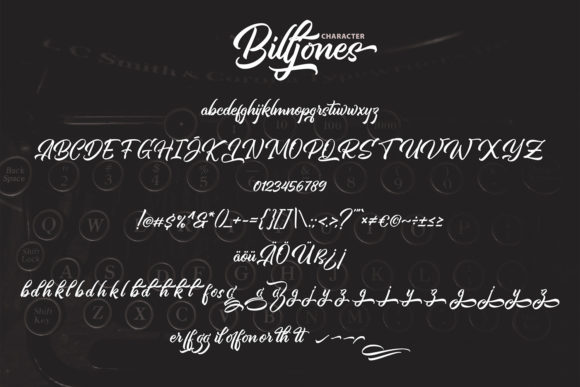
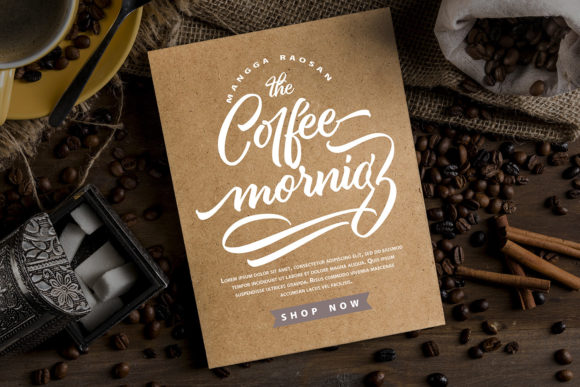
Billjones is a brush hand-lettering script font available through Creative Fabrica’s subscription. The listing positions it directly as a hand-lettering script, which makes it a relevant choice for brands that want movement, casual confidence, and a more drawn-by-hand look.
This kind of font is best when the brand name is short and punchy. Brush scripts can become harder to read when words are long or when every letter has dramatic movement. I would test Billjones for apparel, stickers, creator branding, casual cafés, YouTube thumbnails, or bold packaging accents rather than long-form brand copy.
Best for: Short logos, apparel, bold social graphics
Key features: Brush script, hand-lettering style
License: Creative Fabrica subscription access
7. Brush Letter Font by Unicode Studio
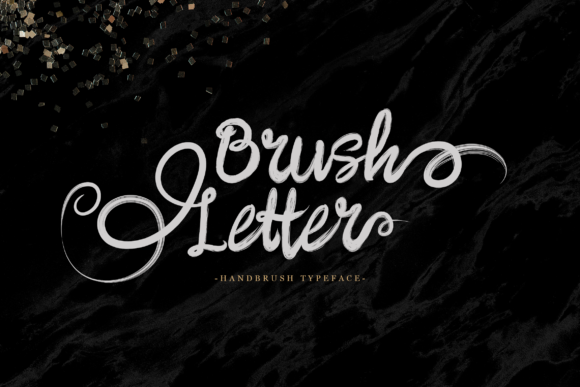
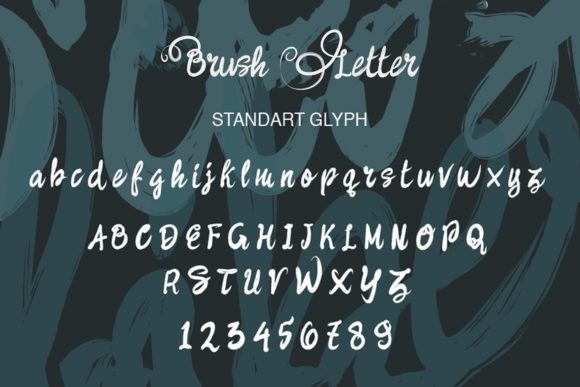
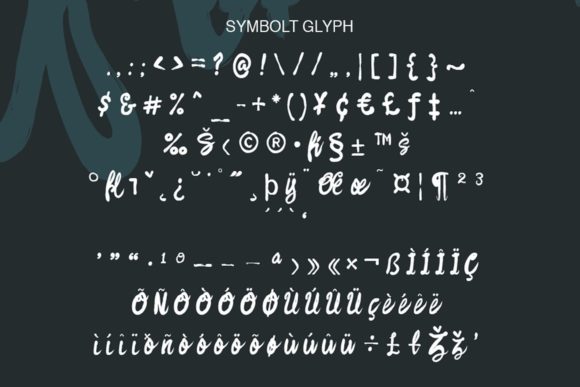
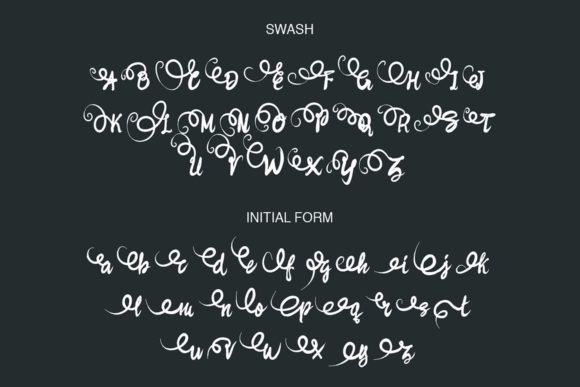
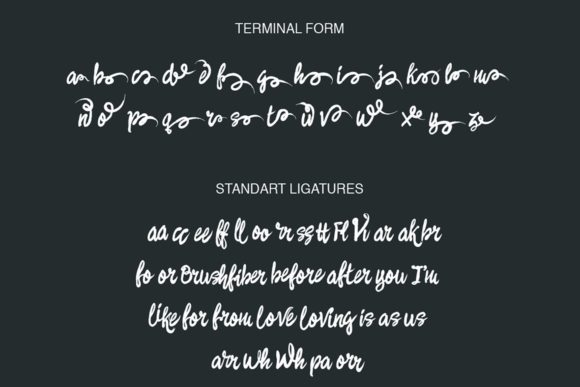
Brush Letter is one of the more practical options in this set because the listing confirms several useful details: it is PUA encoded, includes a varying baseline, smooth lines, glyphs, alternates, and compatibility with Windows, Mac, Linux, Cricut, Silhouette, other cutting machines, and webfont conversion.
Visually, this is a strong candidate for wedding-adjacent branding, thank-you cards, logos, business cards, greeting cards, and projects that need a handwritten touch. The varying baseline helps it feel less stiff, but it also means you should test alignment carefully if you are using it inside a tight badge, label, or circular logo.
Best for: Business cards, logos, wedding branding
Key features: PUA encoded, alternates, varying baseline
License: Commercial use via Creative Fabrica license
8. Thin Line Lettering Font
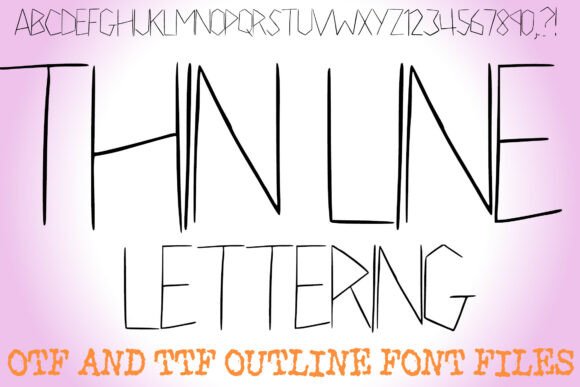
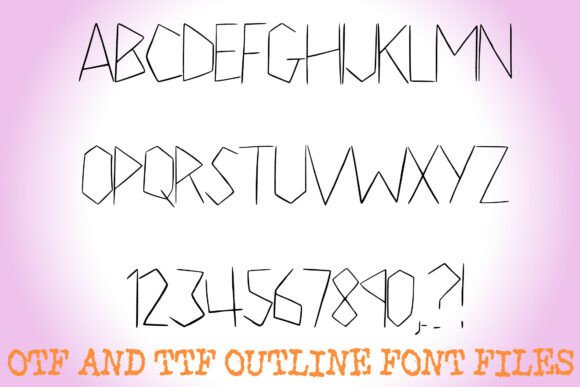
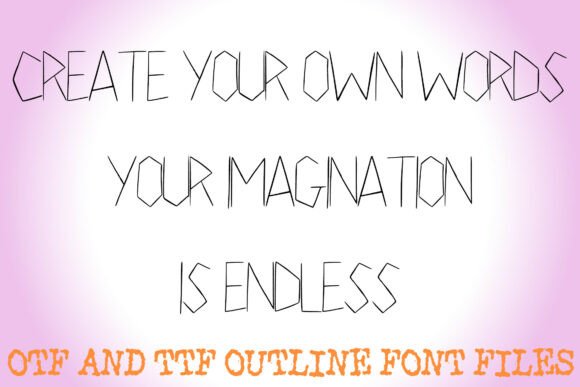
Thin Line Lettering has an ultra-fine, hand-drawn display alphabet style with sharp angular silhouettes. It is positioned for high-end branding, architectural titles, delicate wedding stationery, and sleek social media layouts.
This is not a general-purpose small business font. It is better when the brand needs air, restraint, and a refined editorial feeling. I would consider it for interior design studios, luxury planners, modern stationery shops, boutique photography, or high-end digital products. The caution is obvious: thin strokes need contrast. On textured backgrounds or tiny labels, it may lose impact.
Best for: Luxury branding, planners, editorial layouts
Key features: Ultra-thin strokes, angular display structure
License: Commercial use via Creative Fabrica license
9. Brushora Font
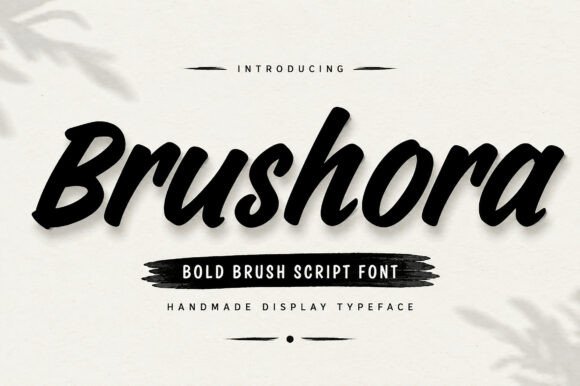
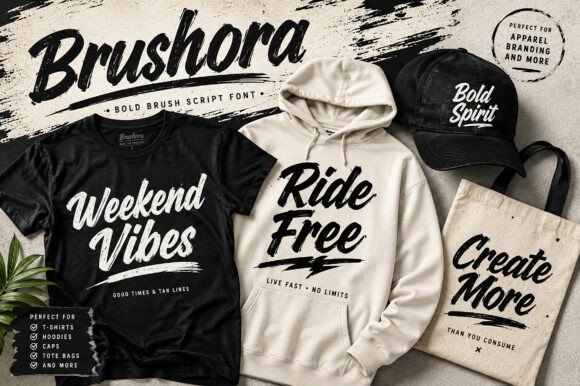
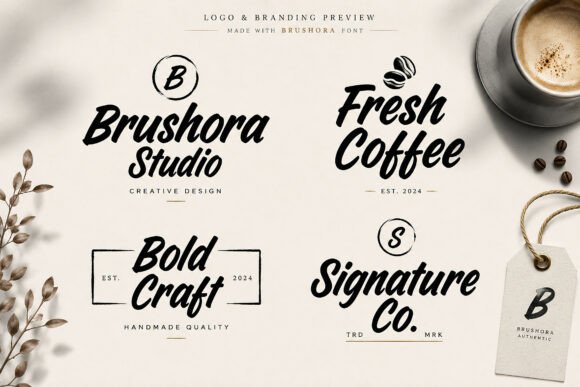
Brushora is a bold brush script font with expressive strokes, natural lettering flow, and strong visual impact. It is designed for eye-catching creative projects with a handcrafted feel.
For small business branding, Brushora fits the louder side of the spectrum. It can make a logo feel energetic quickly, especially for packaging, shirts, posters, stickers, or product launches. I would not use it for a brand that needs quiet luxury or minimalist calm. It wants space and contrast. Give it a simple background, and it will do most of the visual work by itself.
Best for: Stickers, bold packaging, launch graphics
Key features: Expressive brush strokes, strong display impact
License: Commercial use via Creative Fabrica license
10. Brush Family Font by Julia Dreams
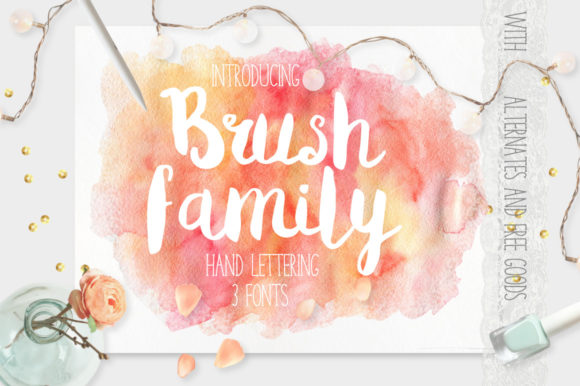
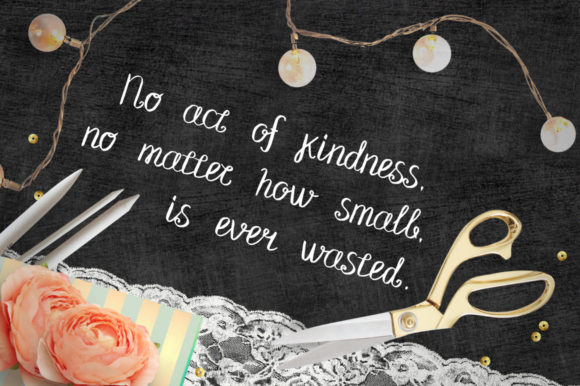
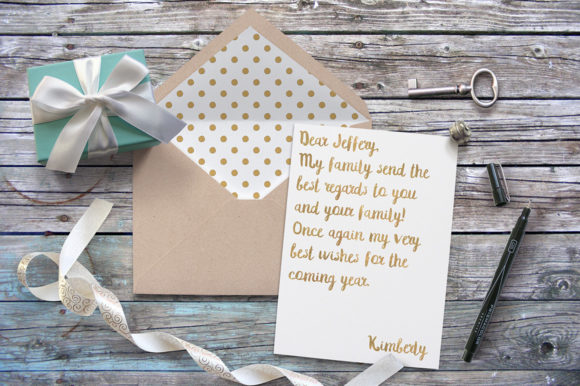
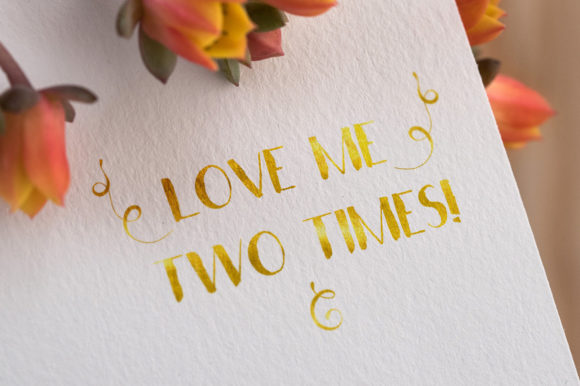
Brush Family Font is more of a mini lettering system than a single font. The package includes three fonts: Crispy, Ah-Punch, and Confetti. The listing confirms OTF and TTF formats for the fonts, plus PNG, EPS, and AI elements. It also notes alternate letters and compatibility with Windows, Mac, Linux, Cricut, Silhouette, other cutting machines, and webfont conversion.
This is useful for small businesses that need variety across a brand, not just one logo. A café, handmade shop, stationery brand, or product seller could use one style for the logo, another for seasonal graphics, and another for packaging accents. The risk is mixing too much at once. Pick a hierarchy and stay consistent.
Best for: Brand systems, cafés, handmade shops
Key features: Three-font package, alternates, extra elements
Formats: OTF, TTF, PNG, EPS, AI
License: Commercial use via Creative Fabrica license
11. Simple Handwriting Font by Meow Creation
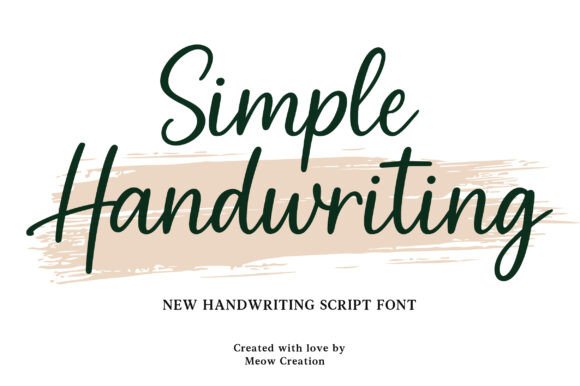
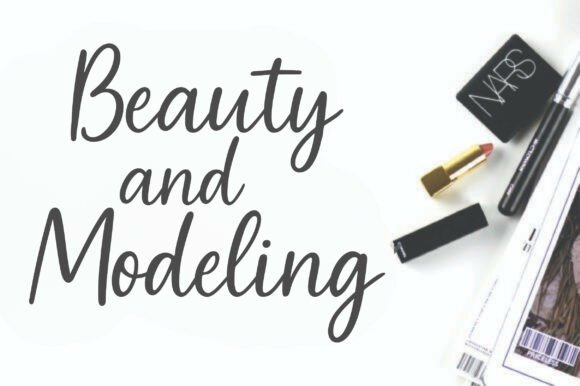
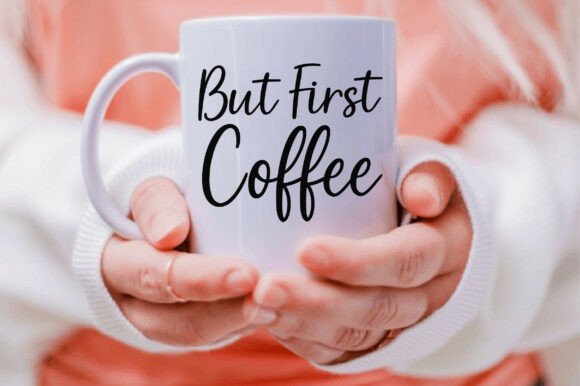
Simple Handwriting is a fluid contemporary script made to mimic relaxed handwriting. It is positioned for branding, watermarks, social media captions, and personal signature-style artwork.
This is a good direction for brands that want personality without heavy brush texture. I would test it for photographers, coaches, lifestyle creators, digital product shops, boutiques, and service providers who need a soft signature feel. It is probably not the font for a bold retail logo that must stand out from across a room, but it can add warmth to a clean brand system.
Best for: Signature logos, watermarks, soft branding
Key features: Fluid script, relaxed handwritten feel
License: Commercial use via Creative Fabrica license
12. Hand Lettering Font by Inermedia STUDIO
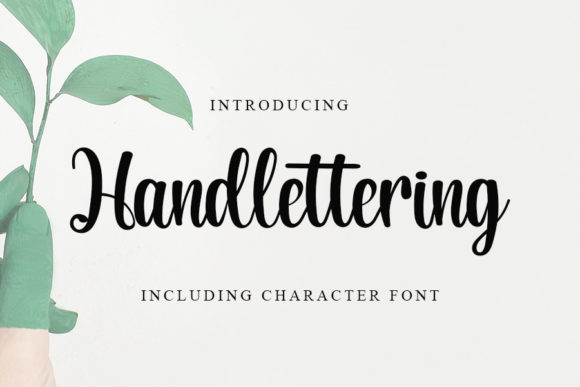
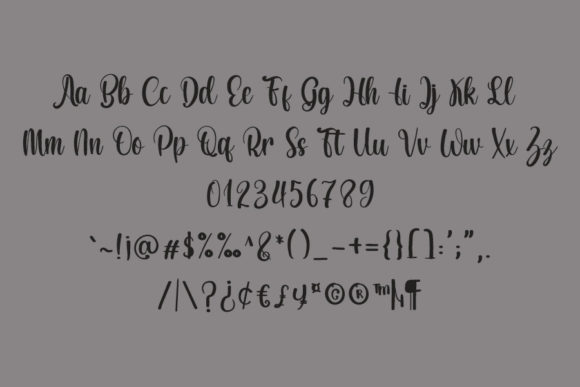
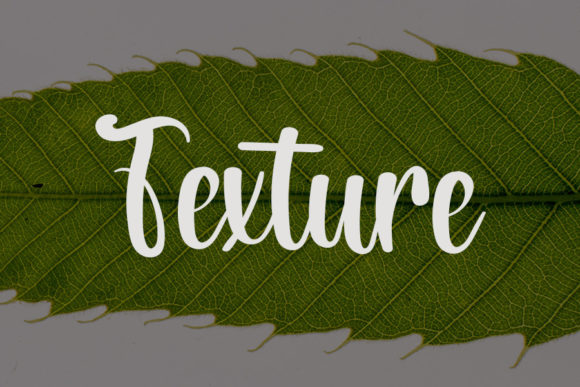
Hand Lettering Font by Inermedia STUDIO has a balanced handwritten style with a contemporary atmosphere and classic calligraphy influence. That makes it a safer option than some highly decorative scripts, especially for brands that need personality but still want structure.
I would use this for boutique logos, creative service branding, personal brands, invitations, product tags, and simple packaging. The key advantage is balance. It does not sound like the wildest font in the group, but for real branding work, that can be a strength. A font that behaves predictably is often easier to use across multiple brand touchpoints.
Best for: Boutique logos, product tags, personal brands
Key features: Balanced handwriting, calligraphy-inspired form
License: Commercial use via Creative Fabrica license
Read More: Beyond these lettering options, if you're aiming for a more sophisticated or personal feel for your brand, Elegant Script Fonts for Branding: 18 Stunning Picks Designers Love can offer a beautiful solution.
Why Lettering Fonts Work So Well for Small Brands
A good lettering font gives a small brand a human signal. It feels less like a template and more like someone cared about the shape of the wordmark. That is especially useful for brands selling candles, baked goods, wedding stationery, handmade products, coaching services, salon branding, packaging labels, or digital products.
The biggest benefit is personality. Lettering fonts can feel warm, bold, elegant, nostalgic, feminine, playful, rustic, or premium depending on the stroke weight, baseline, texture, spacing, and swash behavior.
The risk is readability. A font can look beautiful at 72 pt and still be a poor choice for a product label, favicon, or small business card. For branding, I like to test three things quickly: the business name, one short tagline, and a small-size version. If the name still reads clearly when reduced, the font is much safer to build around.
How to Choose a Lettering Font for Branding
For logos, look first at word shape. Some lettering fonts create a lovely rhythm in short names but feel crowded in longer names. If your business name has many ascenders and descenders — letters like b, h, l, g, y, p — the font needs enough breathing room.
For packaging, pay attention to stroke contrast. Thin lines can feel elegant, but they may disappear on kraft paper, textured labels, or low-resolution thumbnails. Bold brush lettering usually has stronger shelf presence, but it can become heavy if the rest of the brand already uses strong color or dense patterns.
For small business branding, the safest setup is usually one expressive lettering font for the logo or headline, paired with a clean sans serif or serif for body text. Let the lettering font carry the emotion. Let the supporting font carry the information.
Quick Font-Picking Notes for Small Business Owners
If your business name is long, choose a calmer lettering font. Long names plus dramatic swashes usually create clutter.
If your product will be sold on Etsy, Shopify, Pinterest, or Instagram, test the logo at thumbnail size. A beautiful logo that cannot survive a small preview is not doing its job.
If you use Cricut, Silhouette, vinyl, stickers, or packaging labels, check stroke thickness and cutting friendliness. Thin lines and tiny interior spaces can become annoying during production.
If your brand needs trust — coaching, consulting, skincare, wellness, photography, professional services — pair the lettering font with a clean sans serif. That keeps the identity personal without looking messy.
For handmade product brands, a lettering font can be the emotional hook. Just do not let it carry every piece of text. Use it for the logo, short headings, packaging accents, and brand moments. Keep descriptions, ingredients, service lists, and pricing in something easier to read.
Which Lettering Font Should You Choose for Small Business Branding?
The best lettering fonts for small business branding are not always the most decorative ones. The best choice is the font that makes your brand feel recognizable, readable, and believable across the places customers actually see it: logo, label, product photo, social post, business card, packaging insert, and website header.
For warm handmade branding, start with Branding Font by Amarlettering or Cute Lettering. For more polished boutique work, try Lettering by Creassion Studio, Brush Letter, or Hand Lettering. For bolder visual impact, test Brushora, Miller Brush, or the thicker Branding Font by Goodrichees. If you need a more flexible mini-system, Brush Family Font is the most useful package in this list because it includes multiple font styles and confirmed OTF/TTF formats.
The practical rule is simple: choose emotion first, then test readability. Small business branding needs both.
FAQ
1. What are lettering fonts best used for in small business branding?
Lettering fonts are best for logos, packaging accents, thank-you cards, product labels, stickers, social media graphics, signage, and short brand phrases. They work best as display fonts, not as long paragraph fonts.
2. Are lettering fonts good for logos?
Yes, lettering fonts can be strong logo fonts when the business name stays readable at small sizes. They are especially useful for handmade, boutique, creative, wedding, food, beauty, and lifestyle brands.
3. What should I pair with a lettering font?
Pair a lettering font with a clean sans serif or simple serif. The lettering font can handle the personality, while the secondary font keeps menus, descriptions, prices, and website text easy to read.
Follow Us