
ℹ️ Affiliate Disclosure: This article may contain affiliate links. We may earn a commission at no extra cost to you. Thanks for your support! ❤️
10 Beautiful Calligraphy Fonts for Elegant Creative Projects
A calligraphy font can change the entire mood of a design before colors, illustrations, or decorative details are added.
Some scripts feel formal and traditional. Others look loose, modern, and almost handwritten. The challenge is finding a typeface that has personality without making the text difficult to read.
More Fonts: Creative Fabrica offers thousands of fonts with commercial-use licenses, including script, serif, sans serif, handwritten, and display styles.
I spend a lot of time browsing font collections, and one pattern appears again and again: the most decorative preview is not always the most practical font. Long swashes and elaborate capitals can look beautiful in a single word, but they often become distracting in a complete layout.
This collection brings together ten calligraphy fonts with different visual personalities, from delicate wedding scripts to bolder handwritten lettering. The original list includes Heanffe, Basston, Sathyn, Lovea, Teressia, Angellina, Gloretha, Nattyla, Morris, and Shining Glory.
Before downloading any font, check its current license carefully. A font described as free may only include a personal-use license, while logos, products, client work, packaging, advertising, and items made for sale usually require commercial-use rights.
1. Heanffe Script Font
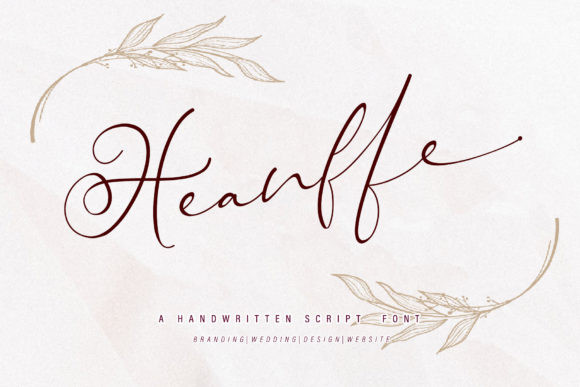
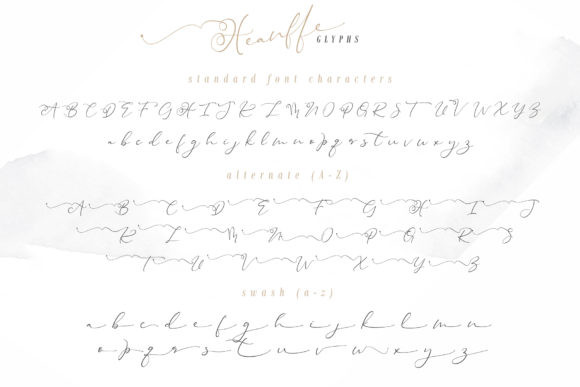
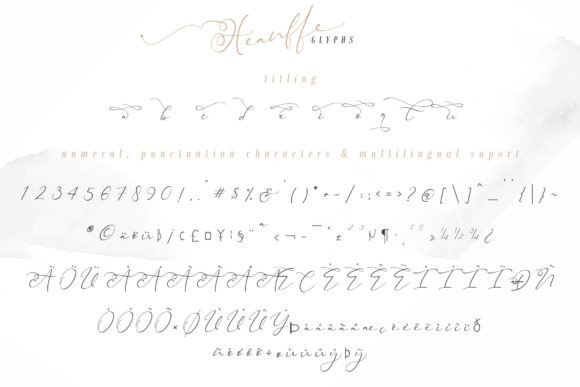
Heanffe has a light, elegant appearance with long, confident strokes. Visually, it feels closer to modern signature lettering than traditional formal calligraphy.
That gives it useful branding potential for names, personal brands, boutique logos, wedding stationery, and photography watermarks.
The thin lines create a refined look, but they may lose clarity at very small sizes. I would keep this typeface for prominent text rather than fine-print details.
Best suited for:
- Signature-style logos
- Wedding invitations
- Personal branding
- Photography marks
- Elegant headings
2. Basston Script Font
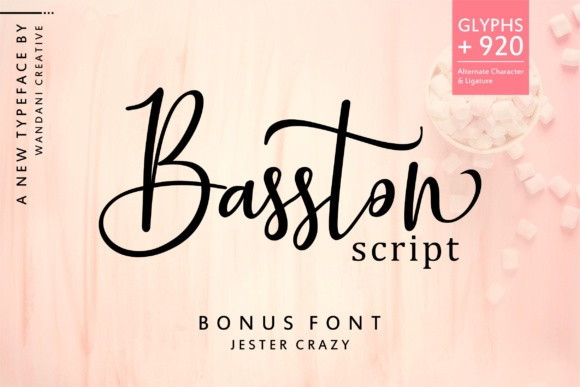
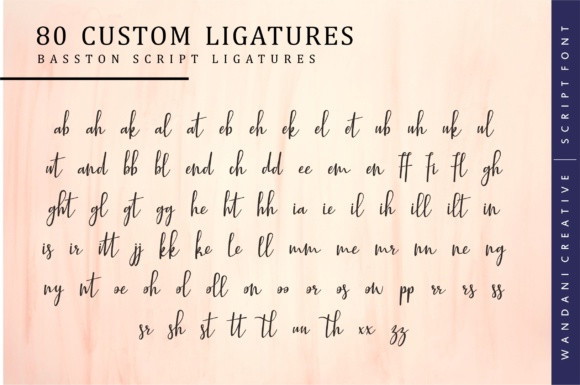
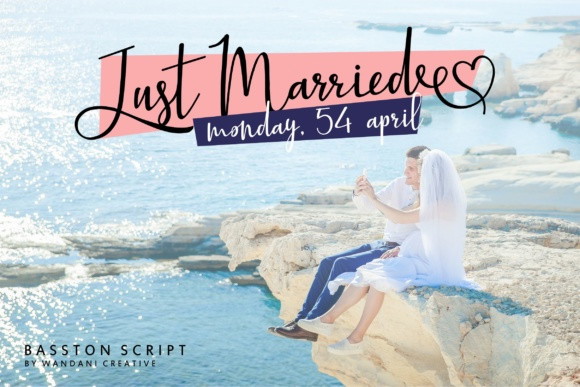
Basston has one of the more expressive personalities in this collection. Its tall letterforms and sweeping strokes create immediate movement across the line.
The original font description mentions more than 920 alternate characters and ligatures, which gives designers a large amount of flexibility when building custom-looking words.
That variety can be valuable for logos and packaging, although it also requires restraint. With a font like this, I would test several alternate characters and then remove anything that feels unnecessary.
Strong letterforms already create enough visual interest.
Best suited for:
- Beauty branding
- Product packaging
- Boutique logos
- Fashion graphics
- Statement quotes
3. Sathyn Script Font
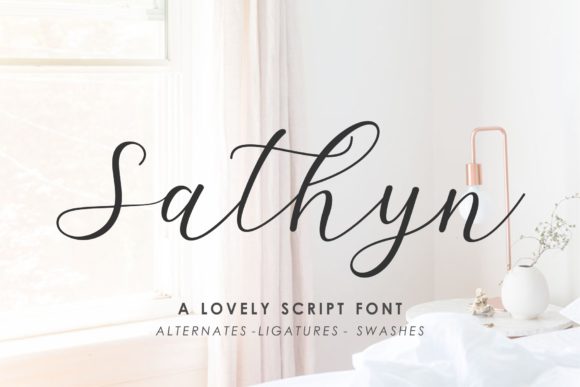
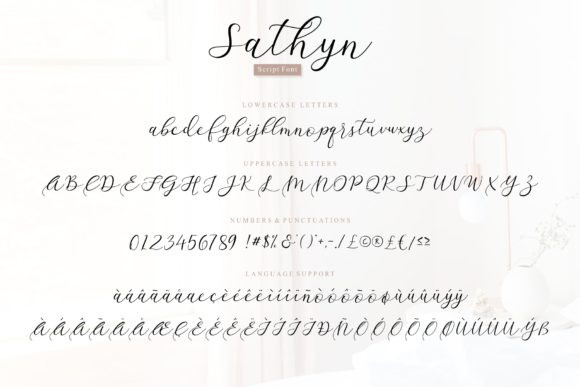
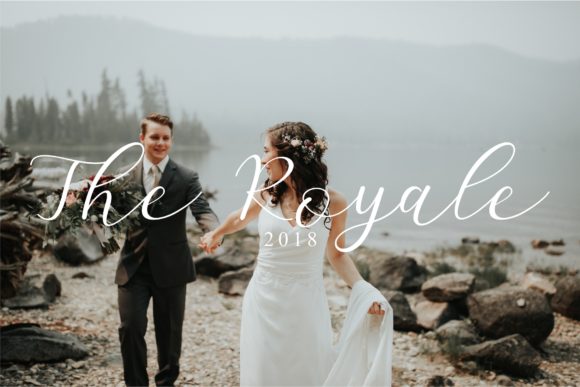
Sathyn feels fluid and contemporary. Its beginning and ending swashes make it particularly useful for isolated words, names, and short phrases.
The typeface also includes OpenType features, alternates, ligatures, punctuation, numbers, and multilingual support according to the original listing.
From a layout perspective, this is the kind of font that benefits from generous space around it. Crowding decorative lettering against borders, images, or secondary text can weaken its elegance.
Best suited for:
- Wedding names
- Invitation headings
- Feminine branding
- Social media graphics
- Decorative quotes
4. Lovea Script Font
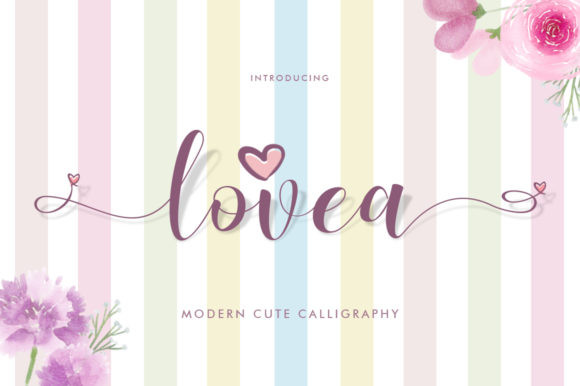
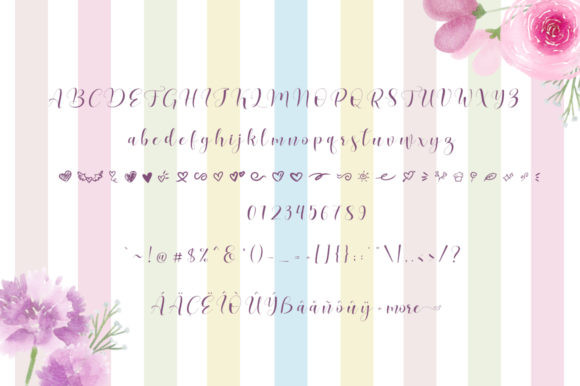
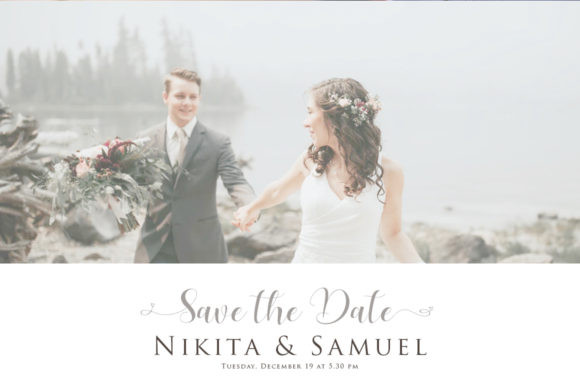
Lovea has a softer and more playful character than many traditional calligraphy fonts.
The heart-inspired details visible in the preview give it a romantic, youthful personality. That makes it easy to imagine on greeting cards, Valentine designs, wedding stationery, and handmade product packaging.
Those decorative details also make the font less versatile. It may feel too specific for a serious corporate identity or a minimalist luxury brand.
Not every attractive font needs to work everywhere.
Best suited for:
- Romantic designs
- Greeting cards
- Wedding graphics
- Gift packaging
- Handmade product labels
5. Teressia Script Font
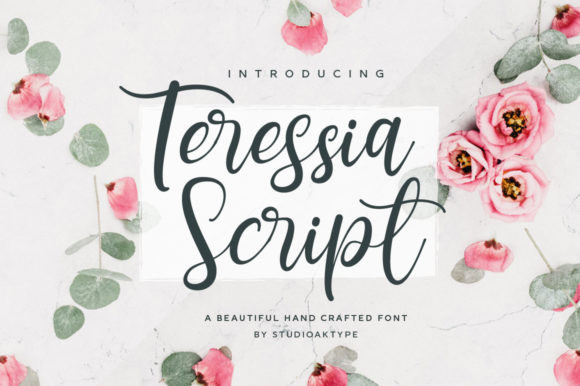
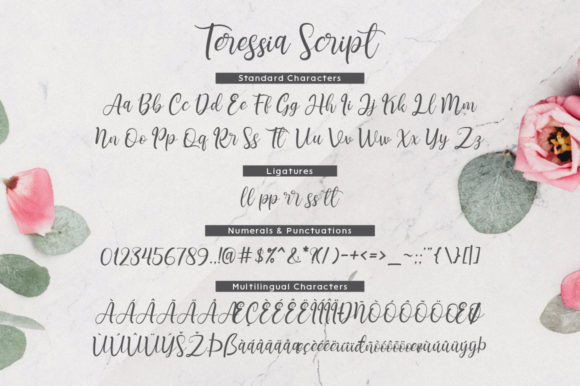

Teressia has a handcrafted rhythm with heavier strokes and a more grounded appearance. Compared with thinner signature scripts, it feels warmer and easier to notice from a distance.
The original article suggests it for print techniques such as foil, embossing, and embroidery. Visually, the stronger letterforms do seem more suitable for physical applications than extremely delicate hairline scripts.
Production still matters, though. Small internal spaces and narrow connections should be tested before using any script font for cutting, embroidery, engraving, or foil work.
Best suited for:
- Handmade branding
- Packaging
- Foil projects
- Embroidery designs
- Craft product labels
6. Angellina Script Font
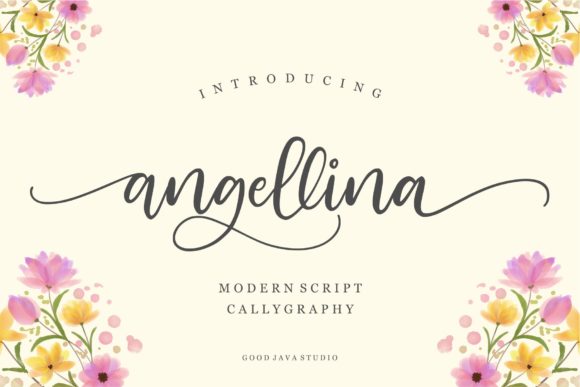
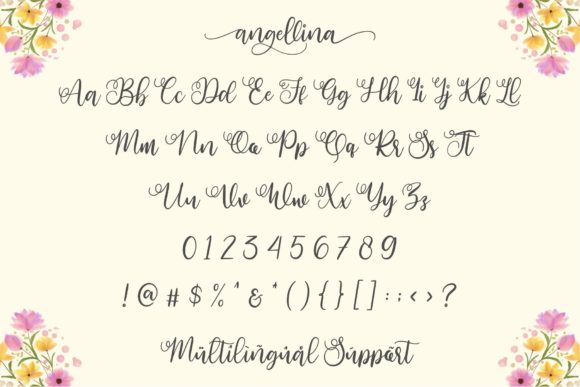
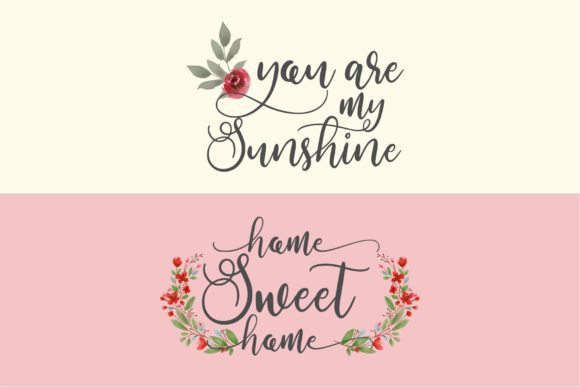
Angellina has a polished modern-calligraphy look with broad loops and a noticeable horizontal flow.
It feels especially natural in wedding design, beauty branding, stationery, photography, and product labels. The long finishing strokes can help a short word occupy more visual space without increasing the font size too much.
I would be careful when placing it near other decorative elements. Floral graphics, ornamental borders, and an elaborate script can compete with one another if the hierarchy is not clear.
Best suited for:
- Wedding stationery
- Beauty logos
- Photography branding
- Product labels
- Event graphics
7. Gloretha Script Font
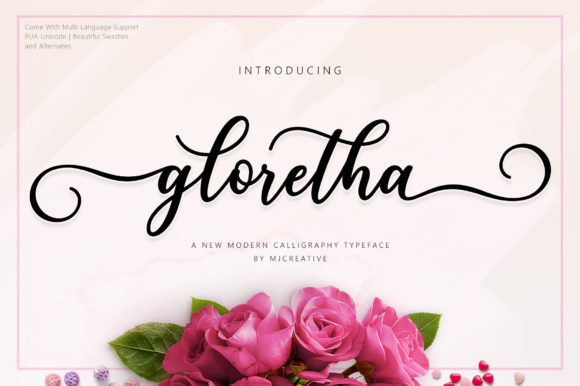
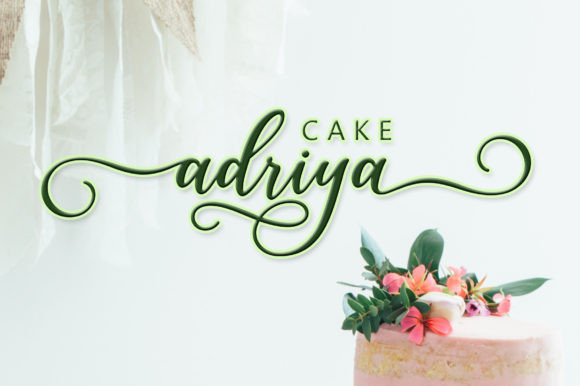
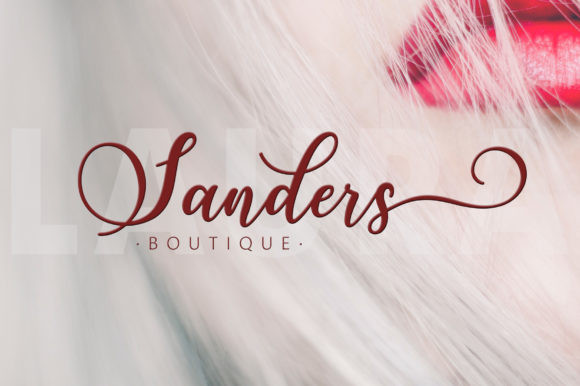
Gloretha is one of the more decorative fonts in the collection. Its extended swashes create a strong frame around the lettering, which can make even a simple name feel like a finished composition.
This style has remained popular in wedding graphics and feminine branding for several years. It still appears frequently because it creates an elegant result quickly.
The downside is familiarity. Large symmetrical flourishes can make a logo feel generic when they are used without customization.
I would treat the swashes as optional design tools rather than automatic additions.
Best suited for:
- Invitations
- Greeting cards
- Fashion graphics
- Blog headers
- Decorative logos
8. Nattyla Script Font
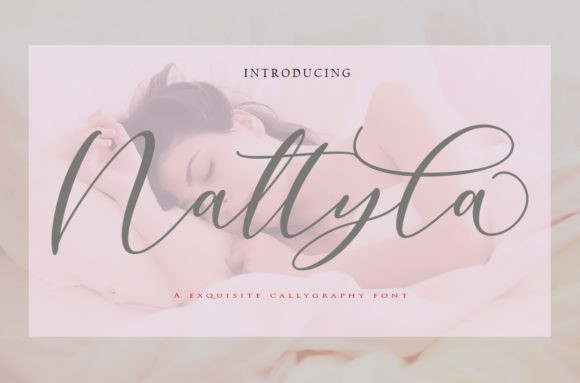
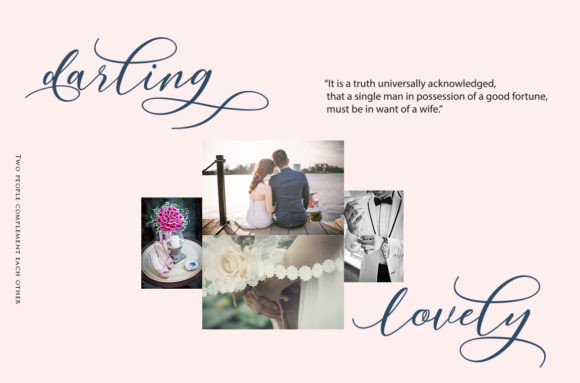
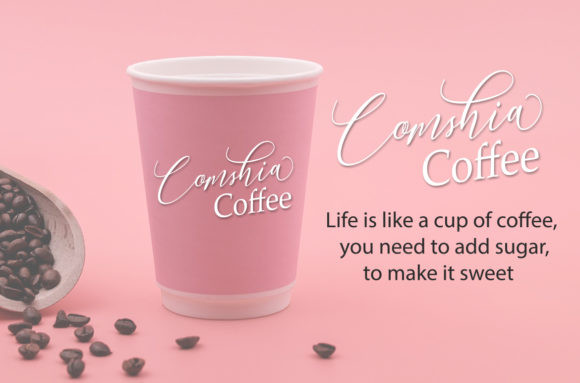
Nattyla has a lighter, more relaxed appearance. The lettering feels airy and contemporary, with enough movement to look handwritten without becoming overly formal.
This balance makes it useful for magazine-style layouts, quotes, lifestyle branding, mugs, cards, and modern wedding projects.
Its thin strokes may need contrast support. On a pale photograph or textured background, the lettering could disappear. A clean background or subtle overlay would help preserve readability.
Best suited for:
- Lifestyle branding
- Editorial graphics
- Modern invitations
- Quote designs
- Social media templates
9. Morris Script Font
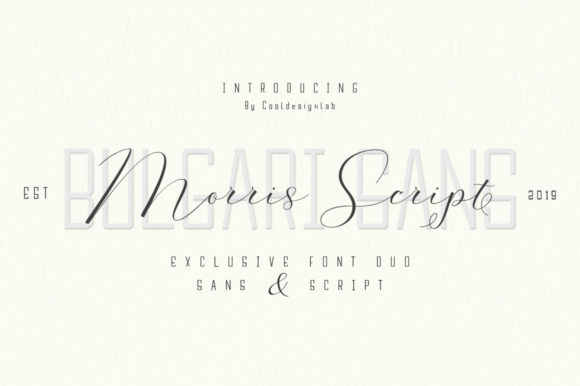
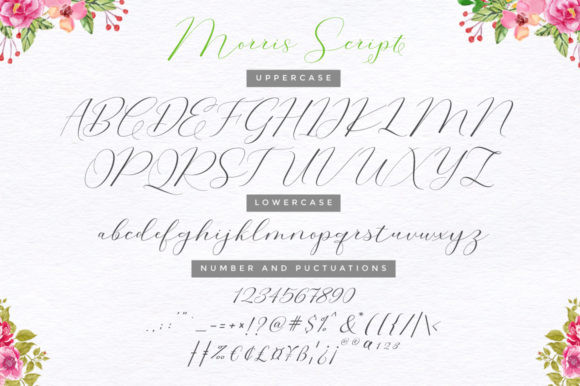
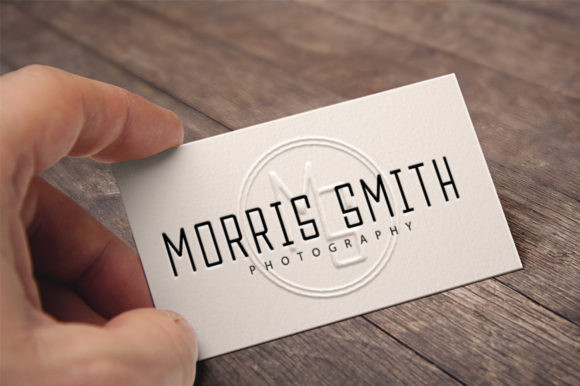
Morris Script combines calligraphy with a more restrained, editorial character. The preview suggests a font duo, which can be useful for building hierarchy without searching for a separate companion typeface.
Font duos are convenient, but I still evaluate each style independently. Sometimes the script is strong while the supporting font feels less distinctive.
For branding, I would use the calligraphy style for the main name and keep supporting information in a simple serif or sans serif. This prevents the design from becoming visually crowded.
Best suited for:
- Brand identity concepts
- Business cards
- Editorial quotes
- Invitations
- Product packaging
10. Shining Glory Script Font
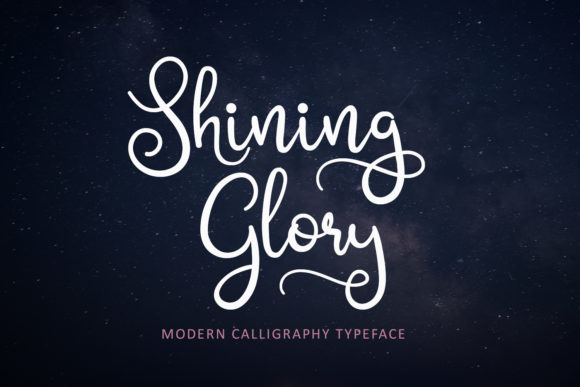
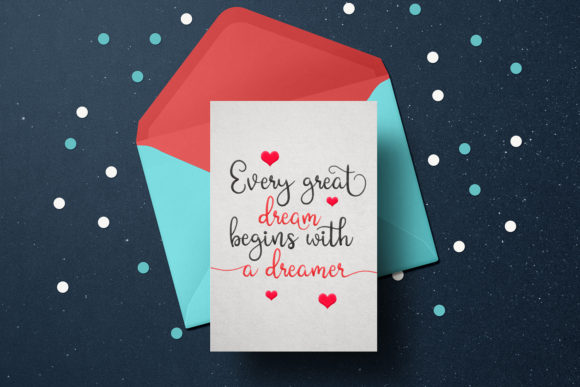
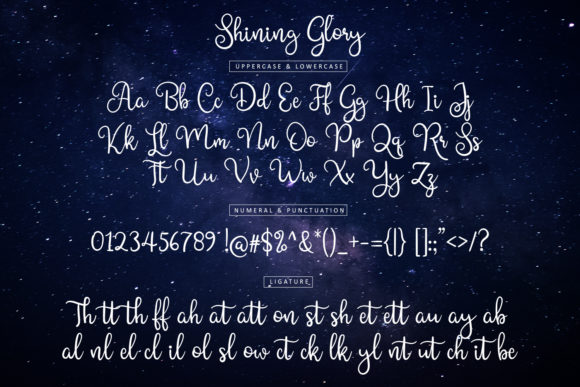
Shining Glory has a friendly handwritten quality with rounded forms and visible bounce between the letters.
It feels less formal than several other fonts in this list, which gives it a wider range of casual applications. I can imagine it on inspirational quotes, lifestyle graphics, creative packaging, wedding signs, and photography overlays.
The lettering is expressive enough to become the main visual element, so the surrounding layout should remain relatively simple.
Best suited for:
- Quote graphics
- Lifestyle branding
- Wedding signs
- Photography overlays
- Casual packaging
Read More: If your elegant creative projects include designing for special occasions, you might also find inspiration in our selection of Calligraphy Fonts for Wedding Invitations: 10 Stunning Picks.
What to Look for in a Calligraphy Font
A beautiful preview image can make almost any script font look appealing. I prefer to look beyond the mockup and pay attention to a few practical details.
Readability
Calligraphy fonts are usually strongest in short text: names, headings, invitations, logos, quotes, and packaging accents.
They are rarely a good choice for long paragraphs. Thin strokes, connected letters, and large flourishes can quickly make a design tiring to read.
Spacing
Spacing matters more in script fonts than many people realize. Letters may technically connect, but awkward gaps can still appear between certain combinations.
Names, brand words, and short phrases should always be tested before the final font is chosen.
Alternates and Ligatures
Alternate characters can give a design more individuality. They are especially useful when a font includes several versions of capital letters, beginning swashes, ending swashes, and decorative ligatures.
Still, more ornament does not automatically mean better typography.
A simple wordmark with one carefully chosen flourish often looks more polished than a design where every letter has been decorated.
Branding Potential
From a branding perspective, a calligraphy font needs to match the personality of the business.
A delicate, high-contrast script may suit a wedding studio or beauty brand. A heavier handwritten font may feel more natural for handmade products, lifestyle packaging, or social media graphics.
The font should support the identity rather than become the entire identity.
Personal Use vs. Commercial Use
Font licensing deserves more attention than it usually receives.
A font may be free for personal projects but require a paid license when used for:
- A business logo
- Client work
- Advertising
- Packaging
- Products made for sale
- Monetized websites
- Print-on-demand designs
- Social media content for a business
Licenses can change, and marketplace listings may be updated or removed. Always read the current terms on the font’s official download page before using it commercially.
Also check whether the license covers the way you plan to use the font. Desktop use, webfont use, app embedding, digital products, and print-on-demand products may have separate conditions.
Which Calligraphy Font Stands Out Most?
Basston is probably the most flexible option for designers who enjoy experimenting with alternates and ligatures.
Teressia has stronger potential for handmade branding and physical applications because of its more substantial strokes.
Nattyla feels lighter and more contemporary, while Lovea has a very specific romantic personality.
Shining Glory stands apart for its casual, approachable mood.
There is no single best calligraphy font in this group. The right choice depends on the word being typeset, the size of the design, the surrounding typography, and the personality the project needs to communicate.
That is one thing I often notice when browsing font collections: typefaces are easier to judge when we stop asking whether they are simply beautiful and start asking what kind of visual identity they can realistically support.
Frequently Asked Questions
What is a calligraphy font?
A calligraphy font is a digital typeface designed to imitate lettering created with a pen, brush, or calligraphy tool. It often includes connected letters, stroke variation, swashes, ligatures, and alternate characters.
Are calligraphy fonts suitable for body text?
Usually not. Most calligraphy fonts are better for names, logos, headings, invitations, and short phrases. Their connected forms and decorative details can reduce readability in long paragraphs.
Can I use a free calligraphy font for a logo?
Only when the license allows commercial use and logo use. “Free” does not always mean unrestricted. Check the current license before using the font for a business or client project.
What fonts pair well with calligraphy fonts?
Simple serif and sans serif fonts usually create the strongest pairings. The supporting typeface should be readable and visually quieter than the calligraphy font.
How can I make a calligraphy font easier to read?
Use it at a sufficient size, increase the surrounding white space, reduce unnecessary swashes, choose a high-contrast background, and limit it to short text.
Do I need special software to access alternate characters?
Many alternate characters are accessed through OpenType features or a glyphs panel. Programs such as Adobe Illustrator, Adobe Photoshop, Affinity Designer, and some word-processing or cutting-design applications may support them, although the process varies by software.
Follow Us