


ℹ️ Affiliate Disclosure: This article may contain affiliate links. We may earn a commission at no extra cost to you. Thanks for your support! ❤️
10 Best AI Ecommerce Design Tools in 2026 That Actually Save Time
AI tools are everywhere right now, but not all of them actually help when you’re running an ecommerce store day-to-day. Some save hours. Some just add another dashboard you forget to open after a week.
After testing a bunch of these tools across product pages, ad creatives, landing pages, and store design workflows, a few platforms consistently stood out. Some are great for beginners building their first store. Others make more sense once you’re scaling traffic and managing a larger catalog.
Here are the AI ecommerce design tools that genuinely feel useful in 2026
10 Best AI Ecommerce Design Tools in 2026
1. Shopify
Best For: All-in-One AI Ecommerce Automation

If your store already runs on Shopify, Shopify Magic is probably the easiest AI upgrade you can make.
What makes it useful is how naturally it fits into the workflow. You’re not constantly switching tabs or exporting content between tools. Product descriptions, email drafts, SEO suggestions, image edits — it all happens directly inside Shopify.
I tested it on a smaller product catalog first, mainly for product descriptions, and honestly the results were better than expected. Not perfect out of the box, but good enough that editing took a minute or two instead of rewriting everything manually.
Key Features
- AI-generated product descriptions
- Smart email writing
- AI image editing
- Personalized product recommendations
- SEO optimization tools
- Store management automation
Why It Stands Out
A lot of AI tools feel disconnected from ecommerce operations. Shopify Magic doesn’t. It feels like a native extension of the platform rather than an extra service layered on top.
Pros
- Beginner-friendly
- Strong automation features
- Excellent app ecosystem
- Scales well with growing stores
Cons
- Advanced AI tools are tied to higher plans
- App subscriptions can get expensive fast
Best For
- Ecommerce startups
- Dropshipping stores
- Growing online brands
2. Wix ADI
Best For: AI Website Building
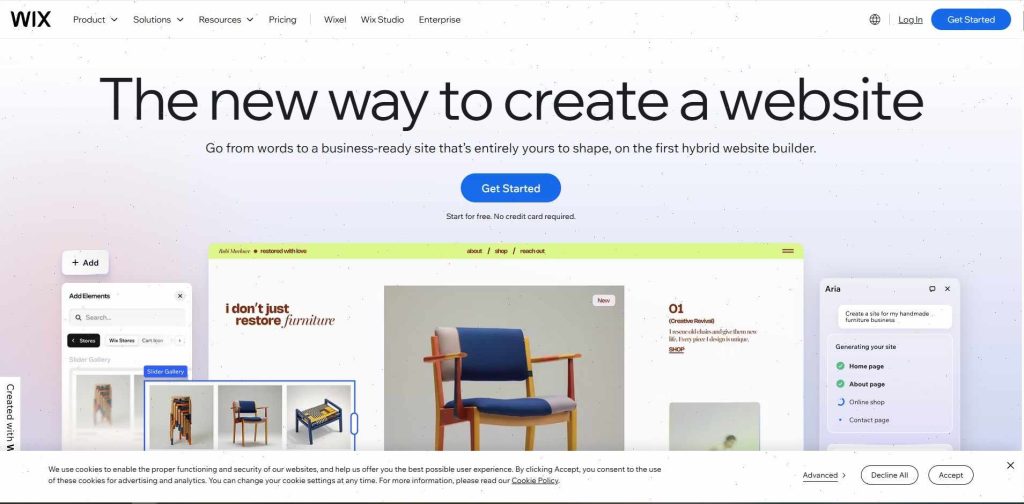
Wix has been pushing AI-driven site creation for years now, and Wix ADI still remains one of the easiest ways to launch a clean-looking ecommerce store without touching code.
The setup process is surprisingly fast. You answer a few questions about your business, style preferences, and products, and the platform generates a usable storefront layout automatically.
It’s not incredibly flexible compared to custom ecommerce builds, but for small stores or local brands, it gets the job done without overwhelming you.
Key Features
- AI-generated layouts
- Mobile optimization
- Ecommerce integrations
- Drag-and-drop editing
- Brand customization tools
Why It Stands Out
Wix ADI removes most of the friction beginners usually face during store setup. That matters more than people think.
Pros
- Very fast setup
- Easy to customize
- Affordable entry pricing
Cons
- Limited flexibility
- Not ideal for complex ecommerce workflows
Best For
- Beginners
- Small businesses
- Local online stores
3. Canva AI
Best For: Ecommerce Graphic Design

Canva has quietly become one of the most practical tools for ecommerce marketing teams.
Not because it replaces professional designers completely — it doesn’t — but because it makes everyday design tasks ridiculously fast.
Product banners, Pinterest pins, Instagram ads, sale graphics, email headers… most of these don’t need Photoshop-level complexity. Canva handles them well, especially with its newer AI tools.
One thing I noticed: Canva works best when you already have a rough brand style established. Otherwise AI-generated designs can start looking a bit generic after a while.
Key Features
- AI-generated graphics
- Product banners
- Social media creatives
- AI image editing
- Brand kits
- Presentation templates
Why It Stands Out
It dramatically speeds up content production for ecommerce stores that constantly need fresh visuals.
Pros
- Extremely easy to use
- Massive template library
- Affordable for small teams
Cons
- Limited advanced editing
- AI generation caps on lower plans
Best For
- Ecommerce marketing
- Social media ads
- Small business branding
4. Adobe Firefly
Best For: AI Product Visuals
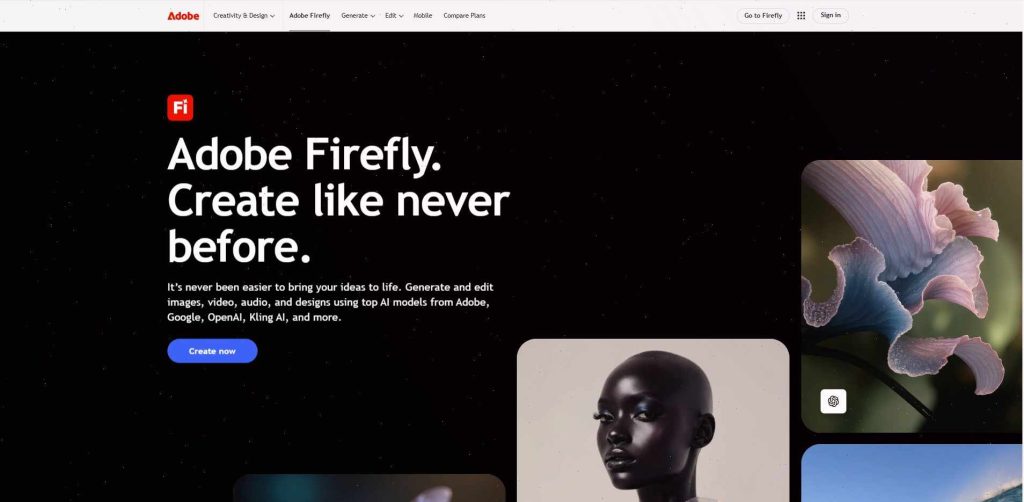
Adobe took a more professional route with Firefly, and you can feel it immediately.
The image quality is noticeably stronger than many lightweight AI design tools, especially for product visuals and promotional assets.
I found the background replacement tools particularly useful for ecommerce listings. What normally takes 15–20 minutes in traditional editing software can sometimes be done in under a minute.
Still, Firefly feels more like a creator tool than a beginner platform. There’s definitely a learning curve if you’re new to Adobe products.
Key Features
- AI image generation
- Product mockups
- Background replacement
- Text-to-image tools
- Commercial-safe AI assets
Why It Stands Out
The integration with Photoshop and the wider Adobe ecosystem makes workflows smoother for professional teams.
Pros
- High-quality visual output
- Professional editing tools
- Excellent AI generation quality
Cons
- Premium pricing
- Requires some design experience
Best For
- Creative agencies
- Professional ecommerce teams
- Large online brands
5. Framer AI
Best For: AI Landing Page Design
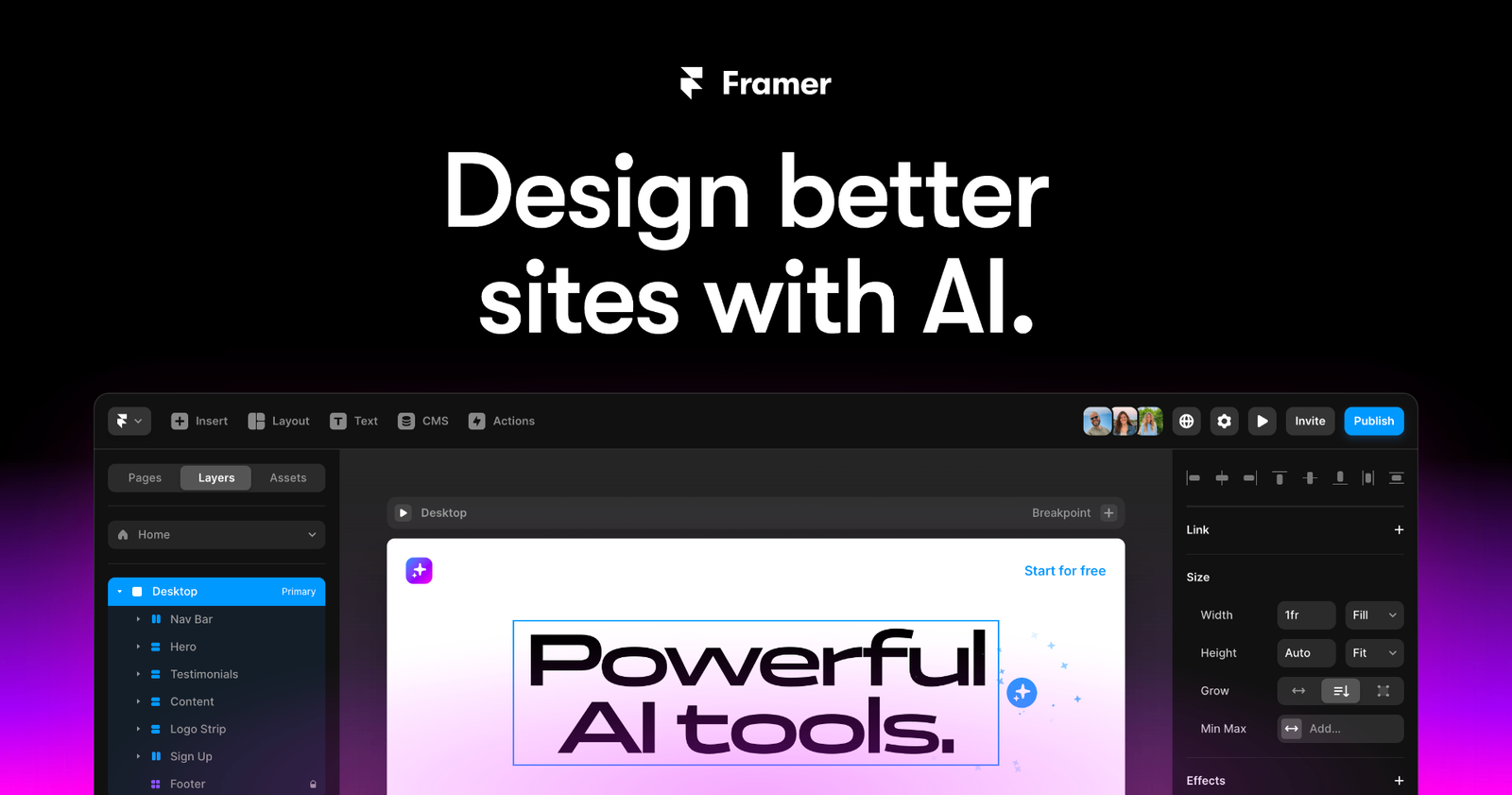
Framer became really popular with startup founders first, but ecommerce marketers started using it heavily for landing pages and product launches.
You type a prompt, and Framer generates a full responsive layout surprisingly fast.
The generated pages usually need cleanup — especially spacing and copy refinement — but the speed is hard to ignore. It’s one of those tools that helps you get from idea to published page before momentum disappears.
Key Features
- Prompt-based page generation
- Responsive layouts
- AI-generated copy
- SEO tools
- Interactive UI components
Why It Stands Out
Framer feels modern in a way many older site builders don’t.
Pros
- Fast workflow
- Beautiful UI designs
- Strong animation support
Cons
- Not a full ecommerce platform
- Requires integrations for advanced selling
Best For
- Product launches
- Ecommerce campaigns
- Landing page design
6. Jasper AI
Best For: AI Ecommerce Copywriting
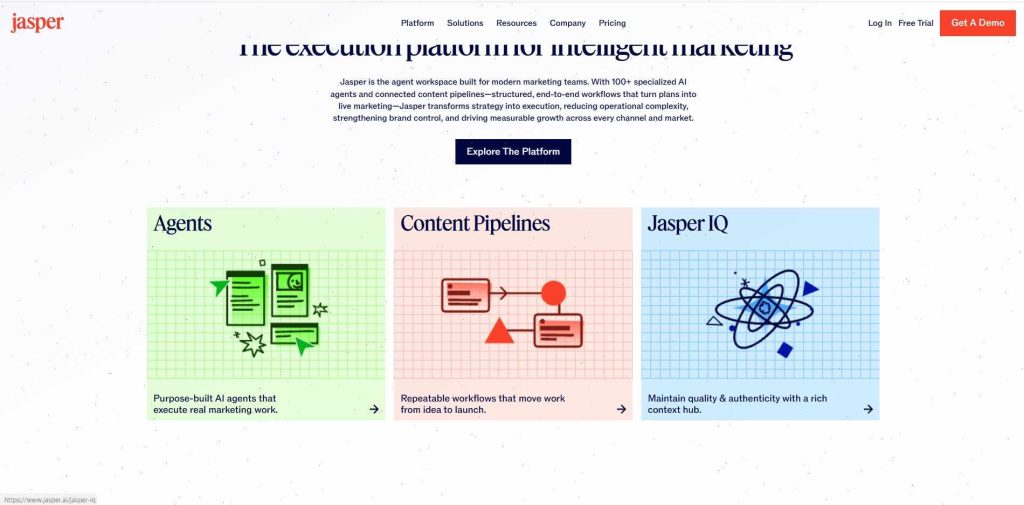
Jasper is still one of the better AI writing tools for ecommerce content, especially if you publish consistently.
Product descriptions are the obvious use case, but where Jasper helped most in testing was blog content and ad variations. Generating multiple angles quickly saves a surprising amount of time during campaigns.
That said, AI-written ecommerce copy almost always benefits from editing. The best-performing product pages still need human nuance, especially around trust and product-specific details.
Key Features
- Product descriptions
- SEO blog writing
- Ad copy generation
- Email campaigns
- Brand voice customization
Why It Stands Out
Jasper is built around marketing workflows rather than generic AI writing.
Pros
- Strong content quality
- SEO-friendly outputs
- Good template system
Cons
- Needs editing for accuracy
- Pricing may feel high for smaller stores
Best For
- Ecommerce blogs
- SEO campaigns
- Content marketing
7. Dynamic Yield
Best For: AI Personalization
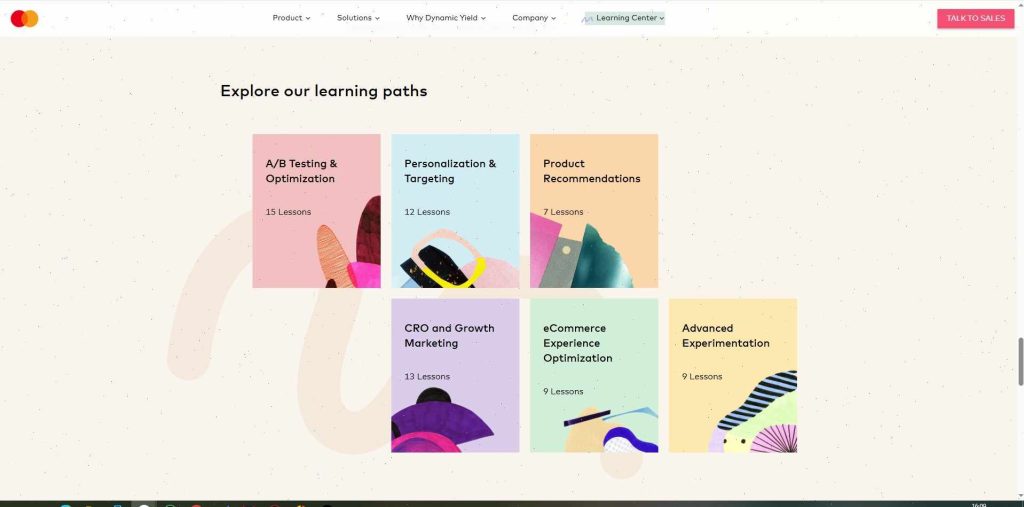
Dynamic Yield focuses heavily on personalization, and it’s aimed more at enterprise ecommerce brands than casual store owners.
This is the type of tool you start appreciating once traffic volume grows large enough that personalization actually moves revenue numbers.
The AI recommendation engine feels smart without becoming overly aggressive. Personalized product suggestions, dynamic content changes, and behavioral targeting all work together pretty smoothly.
Key Features
- Product recommendations
- Behavioral targeting
- AI personalization
- Customer segmentation
- Dynamic content optimization
Why It Stands Out
It helps larger ecommerce brands create shopping experiences that feel tailored instead of generic.
Pros
- Powerful analytics
- Advanced personalization
- Enterprise scalability
Cons
- Expensive
- Complex implementation
Best For
- Enterprise retailers
- Large ecommerce brands
8. Tidio AI
Best For: AI Customer Support
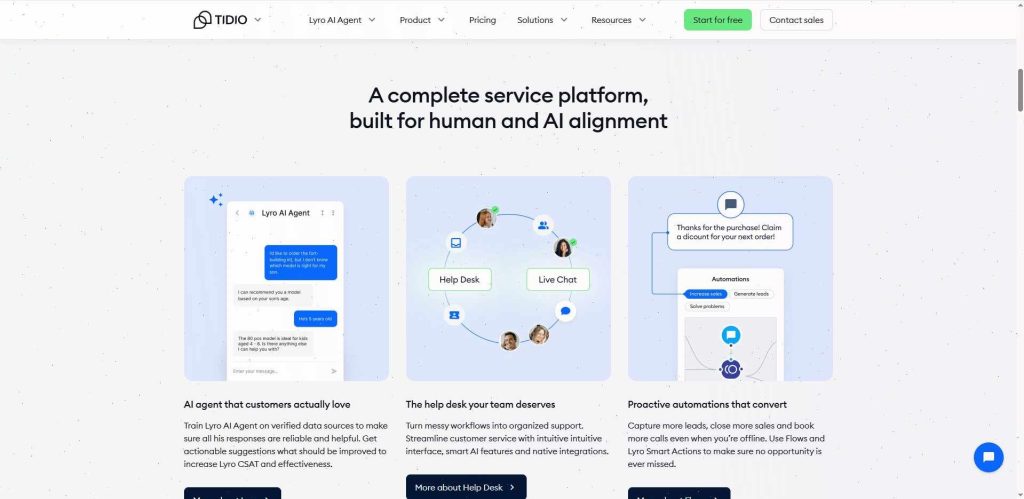

Tidio blends live chat with AI automation pretty effectively.
One thing I liked during testing was how fast setup felt compared to heavier CRM systems. Within an hour, basic customer support automation was already working properly.
Cart recovery automation is especially useful for smaller stores without large support teams.
Key Features
- AI chatbots
- Automated responses
- CRM integrations
- Live customer support
- Cart recovery automation
Why It Stands Out
It improves response times without making conversations feel completely robotic.
Pros
- Easy setup
- Affordable pricing
- Strong chatbot features
Cons
- Premium plans lock advanced automation
Best For
- Small to medium ecommerce stores
- Customer service automation
9. Midjourney
Best For: AI Creative Branding


Midjourney remains one of the most visually impressive AI image tools available.
For ecommerce, it works especially well during brainstorming phases. Packaging concepts, branding directions, ad campaign moodboards — it generates ideas fast.
The downside is consistency. Maintaining identical product aesthetics across large campaigns can still be tricky.
Key Features
- AI-generated branding concepts
- Marketing visuals
- Packaging inspiration
- Campaign imagery
- Creative product concepts
Why It Stands Out
The visual quality is still ahead of many competitors.
Pros
- Incredible creative output
- Endless design inspiration
Cons
- Requires prompt experimentation
- Limited editing control
Best For
- Fashion brands
- Creative ecommerce stores
- Lifestyle products
10. BigCommerce AI Features

Best For: Scaling Ecommerce Brands
BigCommerce has leaned harder into AI-powered analytics and merchandising recently.
It’s not as beginner-friendly as Shopify or Wix, but larger stores tend to appreciate the flexibility once operations become more complex.
The multi-channel management tools are especially useful if you’re selling across marketplaces, social platforms, and your own store simultaneously.
Key Features
- AI-powered analytics
- Smart merchandising
- SEO optimization
- Multi-channel selling
- Product management automation
Why It Stands Out
BigCommerce balances scalability and customization better than many ecommerce platforms.
Pros
- Strong SEO tools
- Excellent scalability
- Flexible integrations
Cons
- Steeper learning curve
- More complex setup
Best For
- Fast-growing ecommerce brands
- Multi-channel retailers
Beyond general e-commerce design, many creators are finding immense value in AI tools tailored for specific niches, such as exploring the Best Creative Fabrica AI Tools for Print on Demand to streamline their creative workflow.
How to Choose the Best AI Ecommerce Design Tool
Not every AI tool solves the same problem, so it helps to narrow things down before subscribing to five different platforms at once.
Consider Your Budget
Some tools are surprisingly affordable. Others become expensive once AI credits, integrations, and premium features start stacking together.
Think About Ease of Use
If you’re working solo, tools like Canva AI or Wix ADI usually make more sense than enterprise-level platforms.
Focus on Scalability
Switching platforms later can be painful. It’s worth thinking ahead if you expect fast growth.
Check Integrations
Make sure the platform works smoothly with:
- Shopify
- WooCommerce
- BigCommerce
- Your email marketing stack
- Ad platforms
Prioritize the Right AI Features
Different tools specialize in different things:
- AI design
- AI content
- Personalization
- Customer support
- Analytics
The Future of AI Ecommerce Design
AI ecommerce tools are moving fast right now.
The next wave will probably focus heavily on:
- Voice commerce
- AI shopping assistants
- Predictive personalization
- AR/VR shopping experiences
- Automated storefront generation
- Real-time customer behavior analysis
Some of this already exists in early versions, but the tools still feel rough around the edges. That’ll likely change pretty quickly over the next couple of years.
Final Thoughts
AI ecommerce design tools in 2026 are less about replacing people and more about removing repetitive work.
The best platforms help stores move faster:
- launching products quicker,
- testing campaigns faster,
- improving personalization,
- and creating content without massive teams.
Some tools are better for design. Others focus on automation, analytics, or customer support.
The biggest difference usually comes from how you use them. Stores that combine AI speed with human creativity still tend to stand out the most.
FAQs
What is the best AI ecommerce design tool in 2026?
For most businesses, Shopify Magic is one of the strongest all-around options because it combines AI automation, ecommerce management, and personalization in one ecosystem.
Are AI ecommerce tools good for small businesses?
Yes. Many tools save time and reduce the need for large design or support teams, especially for smaller stores.
Can AI create a full ecommerce website?
Yes. Platforms like Wix ADI and Framer AI can generate full ecommerce layouts using AI automation.
Which AI tool is best for ecommerce graphics?
Canva AI and Adobe Firefly are two of the strongest options for ecommerce visuals and marketing assets.
Do AI ecommerce tools improve conversions?
In many cases, yes. Personalization, better UX, and automated recommendations often improve engagement and conversion rates.
What is the best AI chatbot for ecommerce?
Tidio AI is one of the more practical chatbot platforms for ecommerce customer support and automation.
Follow Us