

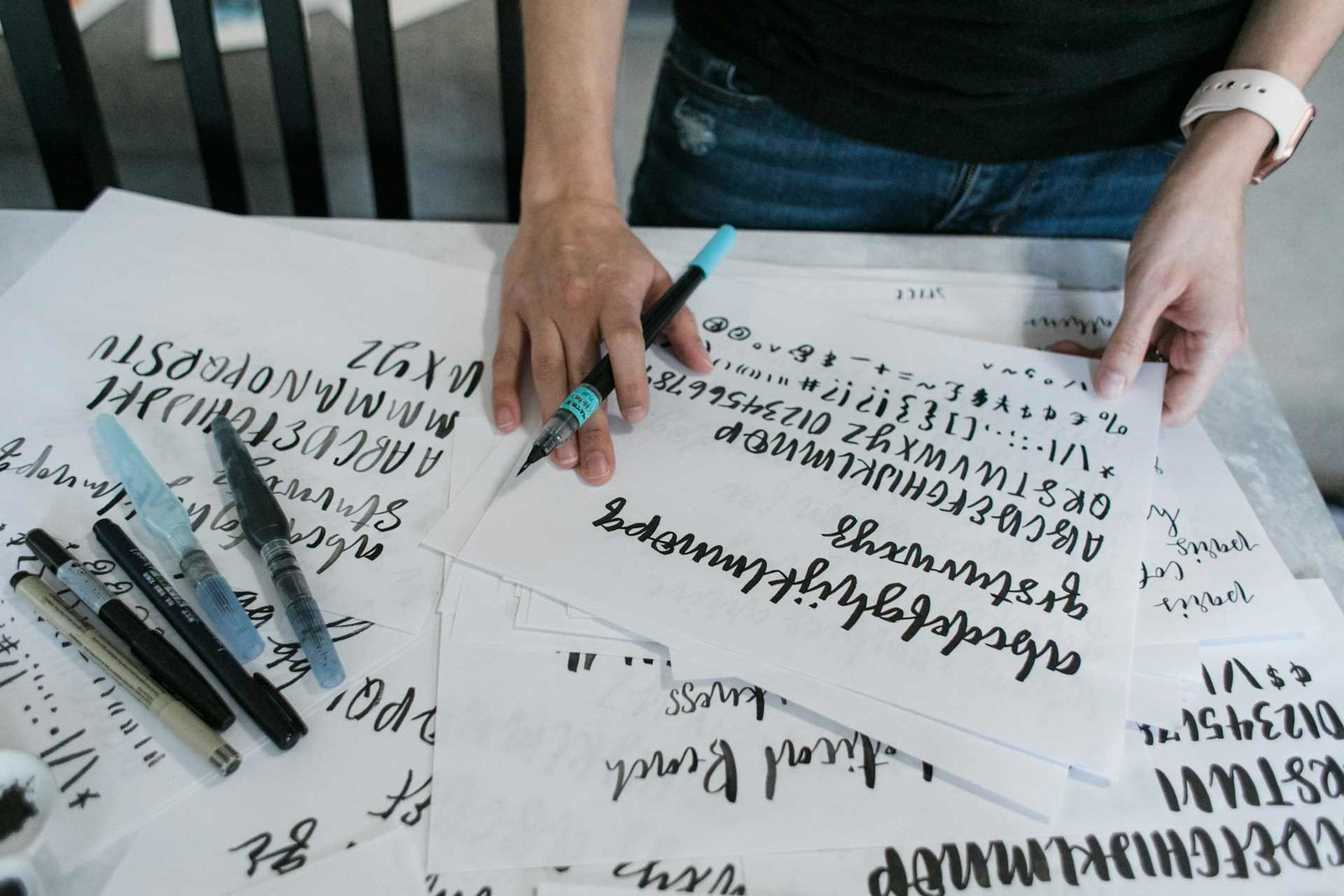
What Is an AI Font Generator?
Can AI create a professional font?
A few years ago, I would have been skeptical. Most AI-generated design tools produced results that looked interesting at first glance but quickly fell apart once you looked closer. Letter spacing felt inconsistent, character shapes didn't always match, and many outputs were more like visual experiments than usable typefaces.
Some links in this article may be affiliate links. If you purchase through them, we may earn a small commission at no extra cost to you. Thanks for supporting our work.
That has changed surprisingly fast.
Today, AI can generate installable fonts that are usable for branding, marketing, content creation, merchandise, and even commercial design projects. The technology isn't perfect, but it's far more capable than many designers realize.

What's particularly interesting isn't that AI can make letters.
It's that modern systems are starting to understand the relationships between letters.
A professional font isn't just a collection of attractive glyphs. Every character needs to feel like it belongs to the same family. The weight, proportions, curves, spacing, and visual rhythm all need to work together. That's traditionally been one of the hardest parts of type design.
AI is getting much better at it.
How AI Font Generators Actually Work
Most modern AI font generators are trained on large collections of typefaces and learn the visual patterns that make fonts work.
Rather than copying existing designs, the AI studies things like:
- Stroke thickness
- Letter proportions
- Serif structures
- Curves and terminals
- Character spacing
- Visual balance
When you provide a style or design direction, the system generates an entirely new font based on those learned patterns.
The impressive part isn't generating a single attractive letter.
It's maintaining consistency across dozens or hundreds of characters.
If the capital “A” feels elegant and modern, the rest of the alphabet needs to follow that same visual language. That's where many early AI systems struggled.
Newer tools are much better at maintaining that consistency.
The Biggest Shift: Font Creation Is Becoming Accessible

One thing I've noticed is that AI is opening typography to people who would never have considered creating a font before.
Traditionally, you needed:
- Typography knowledge
- Specialized software
- Technical understanding of glyph design
- Kerning and spacing expertise
- A significant time investment
Now a small business owner can experiment with custom branding.
A content creator can generate a unique display font for a project.
A crafter can create lettering styles for products and merchandise.
The barrier to entry is dramatically lower than it used to be.
What Makes a Font Look Professional?
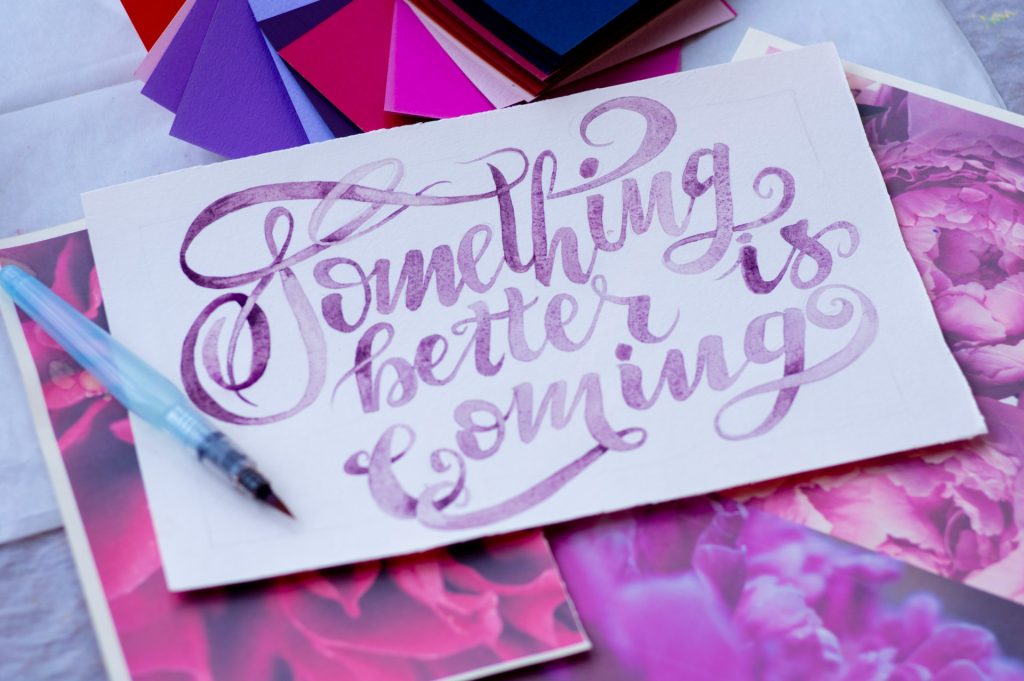
This is where things get interesting.
Many people assume a professional font simply needs to look attractive.
That's only part of the equation.
Professional fonts typically demonstrate:
Consistency
Every character feels like part of the same system.
Poorly designed fonts often have letters that appear unrelated once you start typing full words.
Readability
Some decorative fonts look amazing in a logo but become difficult to read in longer text.
Professional typography balances personality with legibility.
Spacing
Letterforms matter.
Spacing matters just as much.
Even beautiful characters can feel awkward if the kerning and overall rhythm aren't working.
Technical Reliability
A professional font needs to function properly across applications, operating systems, and design software.
This is often the difference between a font that's simply attractive and one that's genuinely usable.
Where AI Excels Right Now
After watching recent developments, there are a few areas where AI has a clear advantage.
Speed
This is the obvious one.
What might take days of sketching and refinement can often be explored in minutes.
That doesn't mean the first result is perfect.
But it gives creators a starting point incredibly quickly.
Exploration
Sometimes the hardest part of design is finding direction.
AI makes it easy to explore multiple visual approaches without committing hours to each concept.
You can test:
- Vintage styles
- Luxury branding concepts
- Modern minimalist typefaces
- Handwritten scripts
- Playful display fonts
And you can move between those directions almost instantly.
Accessibility
Not everyone wants to become a typographer.
Many people simply need a unique font for a project.
AI allows them to create something custom without spending months learning type design.
Where AI Still Has Limitations

Despite the progress, AI isn't replacing experienced type designers anytime soon.
There are still areas where human expertise makes a significant difference.
Advanced Kerning
Some letter combinations require careful manual adjustment.
AI continues to improve here, but experienced designers often notice subtle spacing issues that machines miss.
Multilingual Support
Creating a complete font family across multiple languages is still a complex challenge.
Large character sets require substantial consistency.
Highly Specialized Projects
Brand systems for major companies often demand a level of refinement and strategic thinking that goes beyond simply generating letterforms.
AI can help.
But human direction remains extremely valuable.
AI vs Traditional Font Design
The comparison isn't really about one replacing the other.
They're becoming complementary tools.
| Factor | Traditional Design | AI-Assisted Design |
|---|---|---|
| Creation Time | Days or weeks | Minutes |
| Learning Curve | High | Much lower |
| Cost | Often expensive | Usually more affordable |
| Flexibility | Unlimited | Rapid experimentation |
| Refinement | Exceptional | Improving rapidly |
The strongest results often come from combining both approaches.
Generate ideas quickly with AI.
Then refine them with human judgment.
A Practical Example: Creating Fonts With AI
One of the more interesting tools I've explored recently is the AI Font Generator from Creative Fabrica.
What stands out is that it creates actual installable font files rather than simply generating stylized text images.
That's an important distinction.
Many tools can make lettering look interesting on a graphic.
Far fewer generate fonts you can actually install and use across your workflow.
The process is fairly straightforward:
- Choose a style direction.
- Generate a typeface with AI.
- Review the character set.
- Adjust or regenerate glyphs if necessary.
- Export the font.
- Install and use it in your preferred software.
For entrepreneurs, designers, crafters, and content creators, it offers a practical way to experiment with custom typography without needing years of technical experience.
What I particularly like is that it encourages exploration.
You can test ideas quickly before committing to a final direction.
That's often where AI provides the most value.
Real-World Uses for AI-Generated Fonts
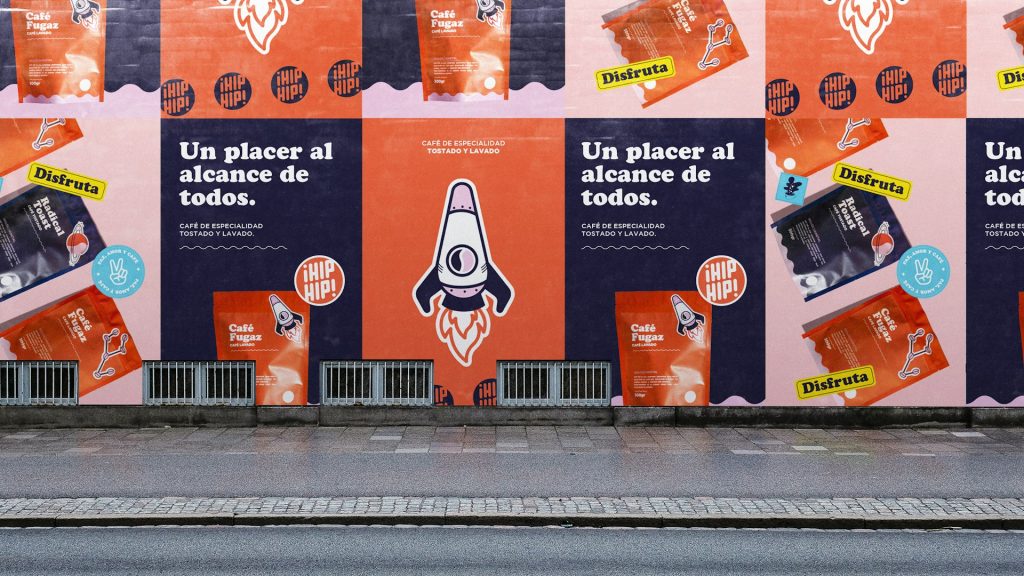
Branding
Custom typography can make even a small brand feel more distinctive.
Instead of relying on the same fonts everyone else uses, businesses can create something tailored to their visual identity.
Logo Design
Typography often carries more personality than the logo symbol itself.
A unique typeface can completely change how a logo feels.
Merchandise
AI-generated fonts work well for:
- T-shirts
- Stickers
- Posters
- Invitations
- Home décor
- Print-on-demand products
Content Creation
Creators increasingly use custom typography across:
- YouTube branding
- Social media graphics
- Course materials
- Digital products
- Marketing assets
What the Future of AI Typography Looks Like

Typography is heading toward a future where creators describe a visual concept and receive a working font almost immediately.
We're already seeing movement toward:
- Better multilingual support
- Improved kerning automation
- More advanced font families
- Multiple weights and styles
- Real-time customization
The role of designers isn't disappearing.
It's evolving.
Instead of spending countless hours on repetitive production work, designers can focus more on creative direction, strategy, refinement, and brand storytelling.
That feels less like replacement and more like collaboration.
It seems the debate over AI's ability to generate truly professional designs isn't limited to fonts; many people wonder why AI Generated Logos: 9 Surprising Reasons They Look Generic.
Final Thoughts
In many cases, today's AI tools can generate fonts that are consistent, usable, installable, and suitable for commercial projects. They won't replace skilled typographers, especially for highly refined brand work, but they've already become valuable creative tools for designers, entrepreneurs, and makers.
The most realistic way to view AI font generation is as a creative accelerator.
It helps you move from idea to prototype faster.
And when paired with human judgment, it can produce results that would have been difficult, expensive, or time-consuming to achieve just a few years ago.
FAQs
Can AI-generated fonts be used commercially?
Many platforms offer commercial-use licensing, but always review the specific license before using a font in client or business projects.
Are AI-generated fonts original?
Modern systems generate new fonts based on learned design patterns rather than directly copying existing typefaces.
Do I need typography experience to create a font with AI?
Not necessarily. Most AI font generators are designed to be approachable for beginners.
Can AI-generated fonts be installed on my computer?
Yes. Some platforms export installable formats such as TTF files that work on both Windows and macOS.
Will AI replace professional font designers?
Unlikely. AI is becoming a powerful design assistant, but experienced typographers still provide the refinement, strategic thinking, and attention to detail that sophisticated projects require.

Follow Us