

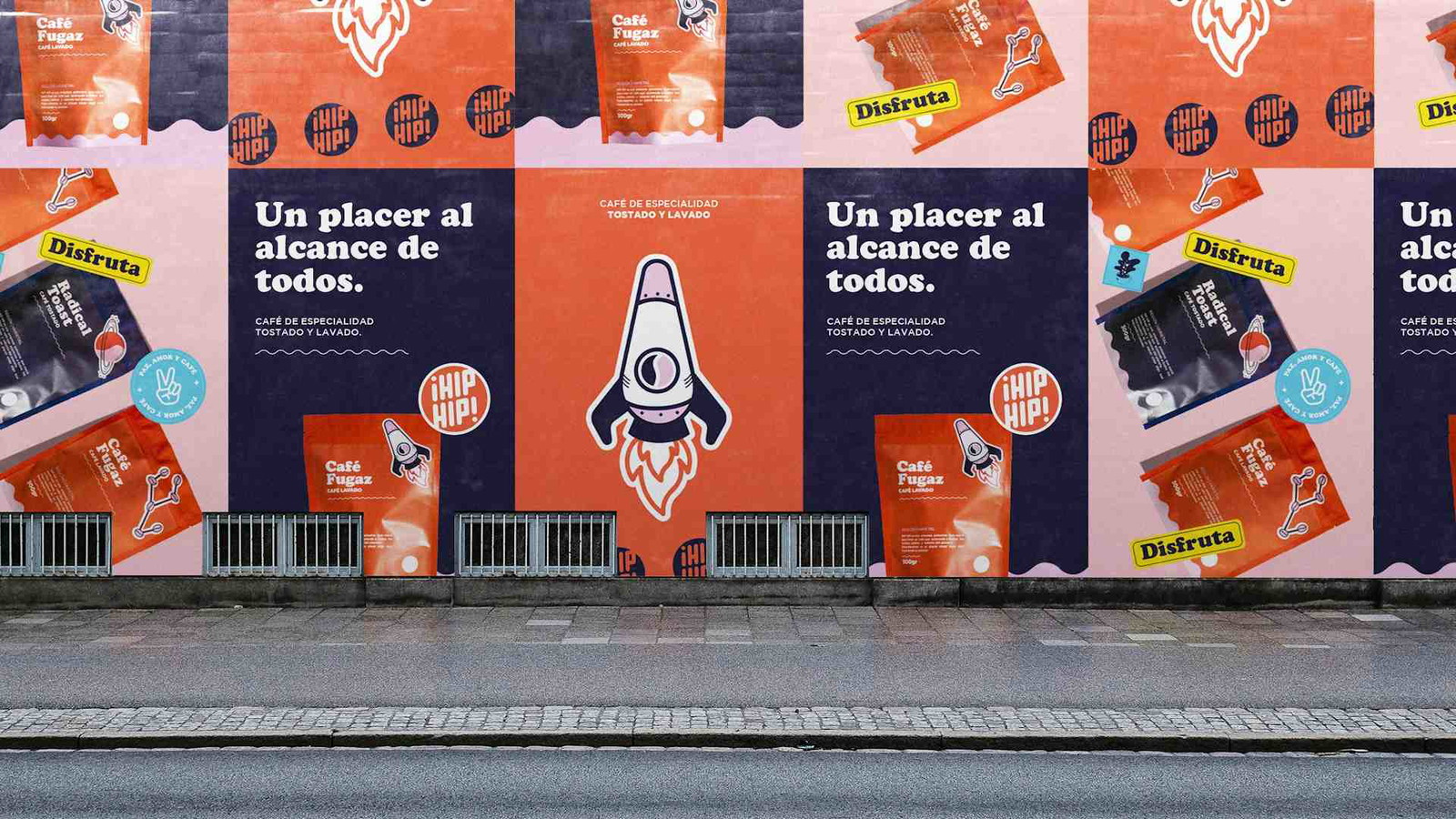
Free Fonts vs Paid Fonts: Why Top Brands Choose Both
Free fonts have become one of the most important resources for modern websites, startups, and digital brands.
I recently came across an interesting discussion in a typography community.
The question sounded surprisingly simple:
Why do so many businesses continue using free fonts when premium fonts often cost less than a logo design, a month of software subscriptions, or even a single advertising campaign?
At first, I assumed the answer was obvious.
Money.
But after reading through comments from designers, developers, agency owners, and branding specialists, I realized the answer is far more nuanced.
Many companies are not using free fonts because they can't afford commercial typefaces.
They're using them because modern free fonts have become remarkably good.
And in many situations, they're simply the most practical option.
Table of Contents
The Quality Gap Has Almost Disappeared
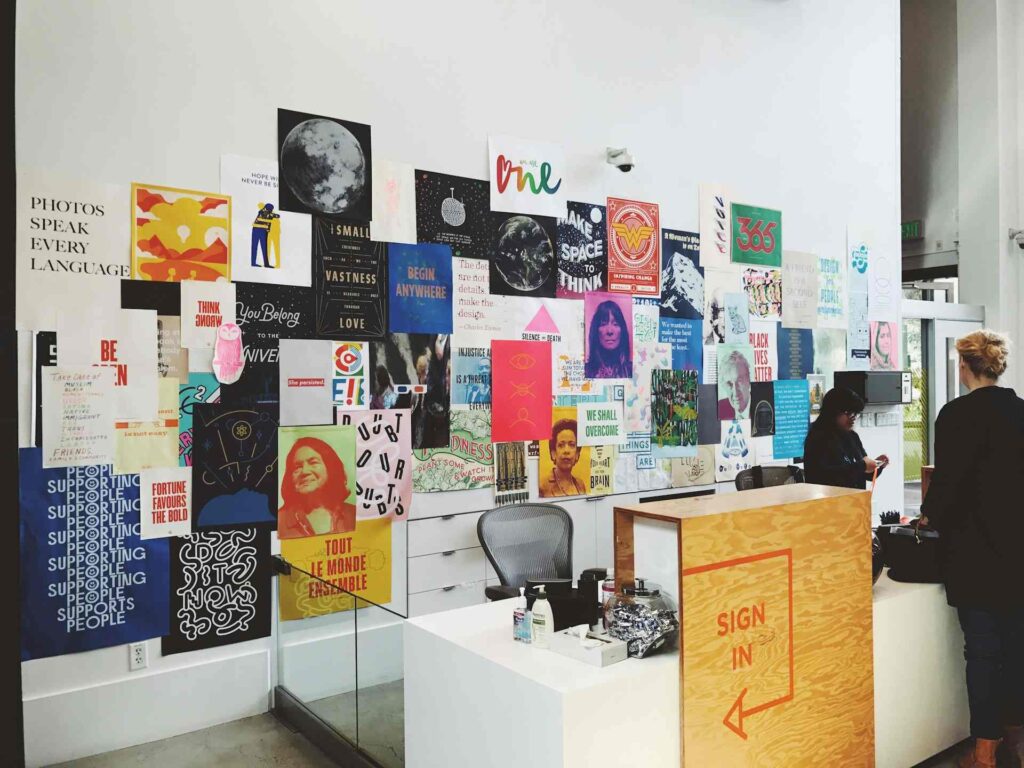
Ten or fifteen years ago, free fonts often came with noticeable compromises.
Many suffered from:
- Poor kerning
- Limited language support
- Few font weights
- Missing OpenType features
- Inconsistent design quality
Today, that gap has narrowed dramatically.
Typefaces such as:
- Inter
- Roboto
- IBM Plex
- Source Sans 3
- Noto Sans
- Montserrat
- Work Sans
are professionally designed font families capable of handling serious commercial projects.
Many include extensive language support, multiple weights, variable font technology, excellent spacing, and strong web performance.
From a web design perspective, they're often easier to implement than commercial alternatives.
For a large percentage of websites, they're already more than sufficient.
Why Free Fonts Have Become a Serious Professional Option
One thing I often notice when reviewing websites and brand identities is that typography quality is rarely determined by price.
A font may cost hundreds of dollars and still create usability problems if the spacing feels awkward, the hierarchy is weak, or the typeface doesn't match the brand.
At the same time, I've seen beautifully designed websites built entirely with Inter or Source Sans.
Strong typography usually comes from thoughtful implementation rather than expensive licensing.
Good line spacing, proper contrast, consistent hierarchy, and appropriate font pairings often have a greater impact on user perception than whether a font was free or paid.
That's one reason many organizations no longer view free fonts as a compromise.
The Companies Using Free Fonts May Surprise You
Many people assume large corporations automatically invest in expensive commercial typefaces.
In reality, some of the world's most recognizable companies rely heavily on open-source typography.
Google built much of its ecosystem around Roboto.
IBM developed IBM Plex as an open-source type system.
GitHub released Mona Sans publicly.
Countless SaaS companies use Inter throughout their products and websites.
The reason isn't budget.
These organizations can afford virtually any font they want.
The reason is practicality.
Open-source typefaces often provide everything they need while avoiding unnecessary licensing complexity.
Why Businesses Choose Free Fonts
The discussion revealed several recurring themes.
Simpler Licensing
This was one of the most common answers.
Many companies aren't trying to avoid paying for fonts.
They're trying to avoid uncertainty.
Questions like:
- Can this font be used on a website?
- Does the license include web embedding?
- Can the client keep using it after launch?
- Will increased traffic require a new license?
- Can the same font be used across multiple projects?
can quickly become frustrating.
Open-source licenses eliminate much of that confusion.
For growing businesses, simplicity has real value.
Better Website Performance
Many free font families are designed specifically for digital products.
They're optimized for screens.
They're easy to self-host.
They're supported by modern browsers.
Many are available as variable fonts, allowing multiple weights to be loaded from a single file.
For teams focused on performance, those benefits matter.
Typography is part of user experience, and faster-loading typography often creates a better experience than a slightly more distinctive font that slows down a website.
Consistency Across Platforms
Modern businesses rarely operate in one place.
The same typeface may appear across:
- Websites
- Mobile apps
- Dashboards
- Documentation
- Marketing materials
- Presentations
Open-source fonts make that consistency easier to maintain because licensing restrictions are usually minimal.
Customers Rarely Notice
This was perhaps the most interesting observation from the discussion.
Most customers don't know whether a font costs nothing or several hundred dollars.
What they notice is:
- Ease of use
- Product quality
- Trustworthiness
- Professionalism
- Overall experience
Typography absolutely influences perception.
In fact, typography usually has a bigger impact on trust than many people realize.
But users respond to how typography feels rather than how much it costs.
The Hidden Cost Nobody Talks About

Many conversations focus on the purchase price of a font.
That's often the smallest cost.
The bigger expense can come from:
- Licensing research
- Website migrations
- Client transfers
- Future upgrades
- Brand expansions
- Legal uncertainty
I've seen teams spend more time reviewing licensing documents than evaluating the actual design quality of a typeface.
A font that costs $50 may eventually require hours of administrative work.
Meanwhile, an open-source font may create virtually no licensing friction at all.
For many businesses, that simplicity becomes part of the decision-making process.
Why Designers Still Buy Premium Fonts
Despite the rise of excellent free fonts, commercial typefaces continue to play an important role.
And there are situations where they're absolutely worth the investment.
Premium fonts often provide:
- Stronger differentiation
- More refined letterforms
- Larger font families
- Greater stylistic flexibility
- Unique personality
- Better support for specialized branding projects
When I'm working on branding rather than interface design, the conversation changes.
A website font primarily needs to be readable.
A brand font often needs to communicate something specific.
Luxury.
Heritage.
Craftsmanship.
Elegance.
Authority.
Personality.
Sometimes a commercial typeface helps create those impressions more effectively.
A Brand Is More Than a Font
One misconception I encounter frequently is the belief that a unique font automatically creates a unique brand.
In reality, typography is only one piece of a larger visual system.
Brand recognition often comes from the combination of:
- Logo design
- Color palette
- Photography
- Layout systems
- Content style
- Typography
I've seen brands build strong recognition using relatively common fonts because every other visual element remained consistent.
Consistency usually matters more than exclusivity.
A company can create a memorable identity with Inter if the entire visual system supports the brand.
Sometimes Premium Fonts Aren't Unique Either
There's another reality that doesn't get discussed often.
A premium font isn't automatically distinctive.
Some commercial typefaces become so popular that they appear everywhere within a particular industry.
I've seen agencies spend hundreds of dollars licensing fonts that eventually become trends used by dozens of competing brands.
Paying for a font doesn't guarantee uniqueness.
The effectiveness of typography still depends on how it's applied.
Where I Look When I Need More Than Google Fonts
For websites, Google Fonts often provide everything I need.
But branding projects are different.
Sometimes I need:
- A distinctive logo font
- A vintage serif
- A display typeface
- A handwritten script
- A font with a stronger personality
That's usually when I start exploring larger font libraries.
Rather than purchasing fonts individually from multiple foundries, I often prefer browsing collections where I can compare styles, test ideas, and quickly evaluate alternatives.
One resource I occasionally browse during branding projects is Creative Fabrica. What I find useful isn't simply the number of fonts available, but the ability to compare different visual directions in one place. When developing concepts for a logo, packaging design, website, or broader visual identity, having access to a large collection of commercial-use fonts can make the exploration phase much more efficient.
Free Fonts vs Paid Fonts: What Actually Matters?
After reading through the discussion, I realized many people are asking the wrong question.
The question isn't:
“Should I use a free font or a paid font?”
The better question is:
“Will this font help achieve the goals of the project?”
For many websites, a free font may be the perfect solution.
For a luxury brand, a premium typeface may provide meaningful differentiation.
Neither option is automatically better.
The context matters.
The audience matters.
The brand matters.
And the way the typography is implemented matters even more.
The discussion around fonts for successful brands often touches upon their origin and quality, and it's fascinating to consider how new technologies, like an AI Font Generator: Can AI Really Create Professional Fonts?, are changing the landscape of professional font creation.
Final Thoughts
The debate between free fonts and premium fonts is unlikely to disappear anytime soon.
But modern typography has changed significantly over the last decade.
Today's best open-source typefaces offer a level of refinement, flexibility, and usability that would have been difficult to imagine years ago. For many websites, digital products, and growing businesses, they provide everything that's needed to build a professional and trustworthy experience.
At the same time, premium typefaces continue to play an important role in branding. A carefully chosen commercial font can help create distinction, reinforce brand personality, and add a level of character that generic alternatives may struggle to achieve.
From a branding perspective, the most important question isn't whether a font is free or paid.
It's whether the typography aligns with the goals of the project and supports the perception the brand wants to create.
Because in the end, people rarely remember how much a font cost.
They remember how the brand made them feel.
FAQ
Are free fonts good enough for professional websites?
Yes. Many professional websites use open-source fonts such as Inter, Roboto, IBM Plex, and Source Sans 3.
Are free fonts safe for commercial use?
Many are, but it's important to review the specific license before using any font in commercial projects.
Do professional designers use Google Fonts?
Absolutely. Google Fonts are widely used across websites, SaaS platforms, startups, and enterprise products.
Can a free font look premium?
Yes. Typography quality depends on hierarchy, spacing, contrast, and implementation. A well-used free font can often feel more refined than an expensive font used poorly.
Why do large companies use free fonts?
Because they offer excellent quality, predictable licensing, strong performance, and scalability across multiple platforms.
When should I buy a premium font?
Premium fonts are often worth considering for luxury branding, packaging, editorial design, and projects that require stronger visual differentiation.
What matters more than whether a font is free or paid?
How effectively the typeface supports the goals of your website, brand, product, and audience.
Follow Us